
 Current
location:
Current
location:
 +86
17853698681
+86
17853698681





Product Introduction
In the modern meat processing industry, veterinary drug residue contamination represents one of the most consequential food safety challenges facing plant operators, quality managers, and supply chain directors. A single residue detection failure at an export border checkpoint can trigger entire container rejections, brand damage across international markets, and regulatory sanctions that disrupt operations for months. For domestic slaughterhouses and processing facilities, routine market surveillance sampling by food and drug administration inspectors carries the constant risk of non-compliance findings that lead to public disclosure, product recalls, and loss of retail shelf access. The financial and reputational stakes have never been higher, yet many facilities continue to rely exclusively on external laboratory testing with turnaround times of three to seven business days—a window during which contaminated product may already have entered distribution channels.
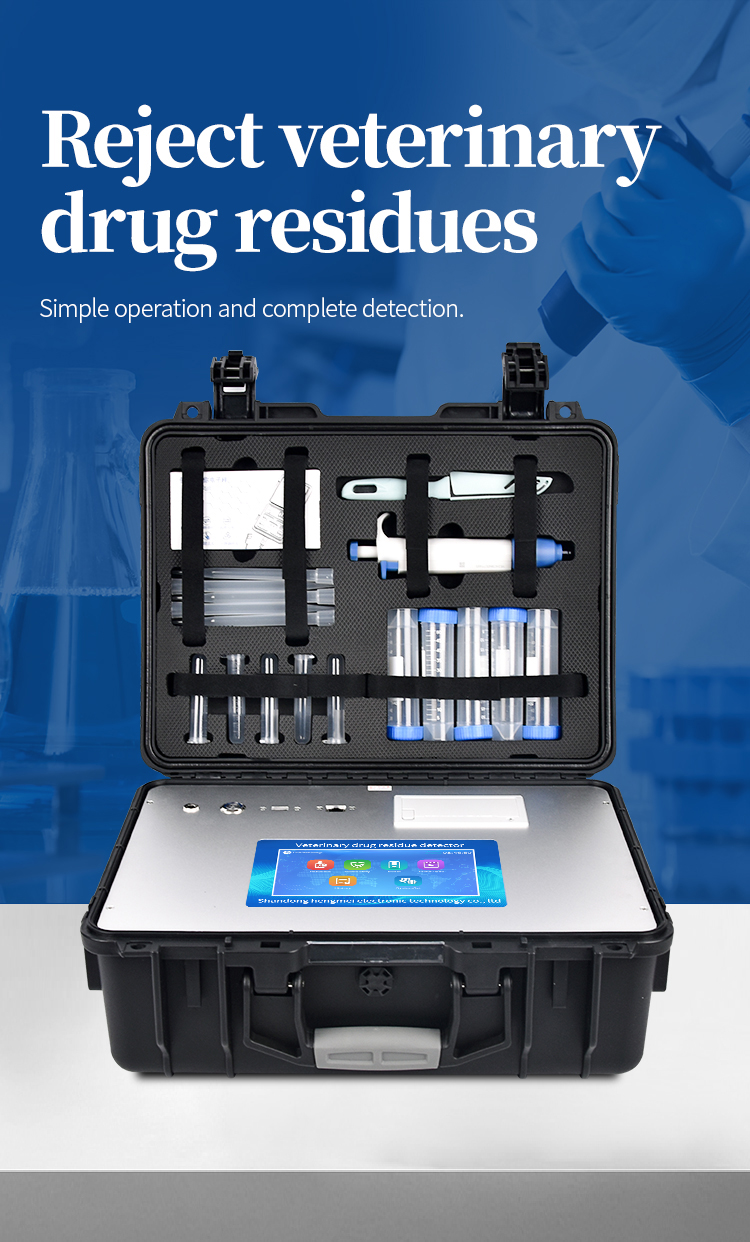
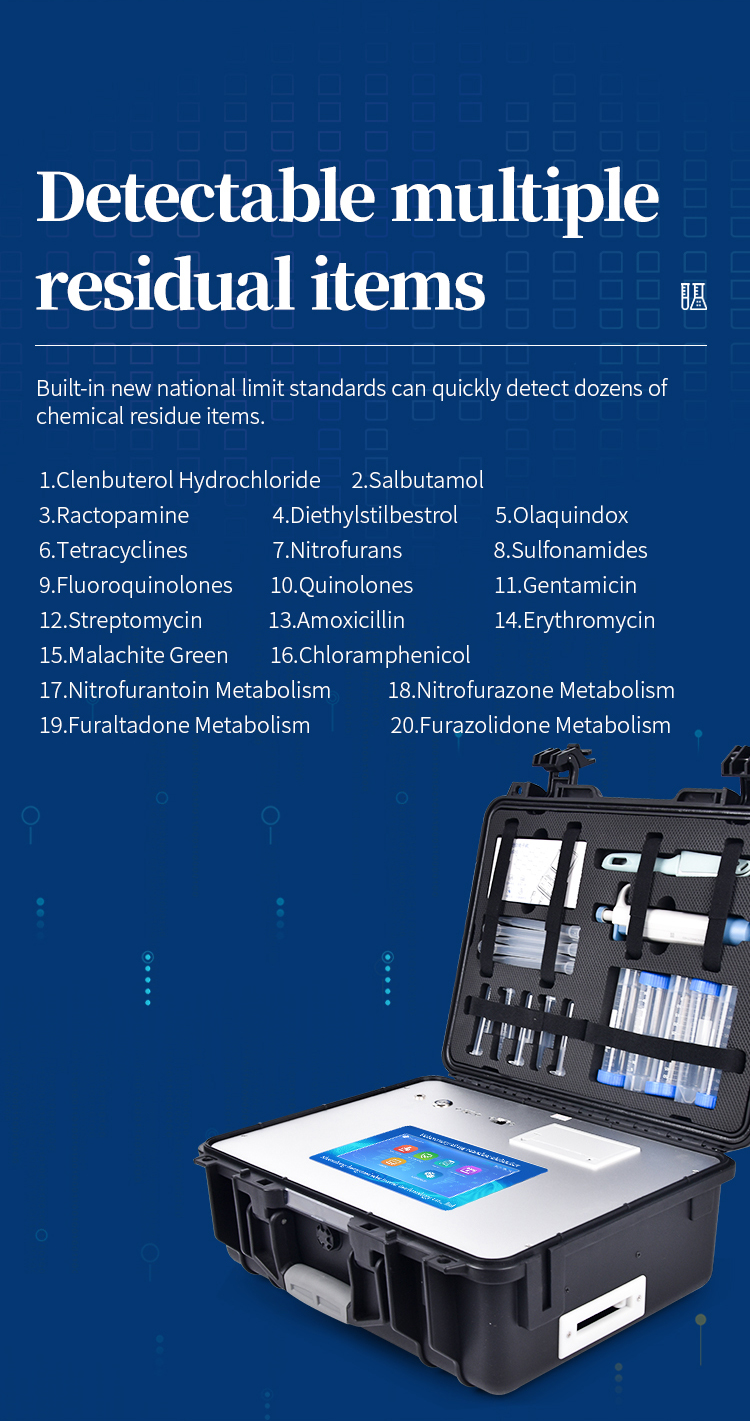
The HM-SYJC Rapid Veterinary Drug Residue Screening System, developed by HM Instruments (恒美智造), directly confronts this operational vulnerability by moving residue testing from the remote analytical laboratory to the processing line, receiving dock, and pre-slaughter holding area. Built around colloidal gold immunochromatography technology with automated reflectance photometry, the HM-SYJC delivers qualitative and semi-quantitative screening results within 15 to 30 minutes per test card—fast enough to inform real-time product disposition decisions before carcasses enter further processing or packaged meat leaves the facility. The instrument's detection scope has been specifically curated for the meat and livestock sector, covering the four residue categories most frequently flagged in regulatory enforcement: beta-agonists (clenbuterol, salbutamol, ractopamine), multi-class antibiotics (tetracyclines, nitrofurans, sulfonamides, quinolones, florfenicol, gentamicin, streptomycin, amoxicillin, erythromycin), aquatic product safety markers (malachite green, chloramphenicol, nitrofuran metabolites, diazepam), and synthetic hormones (diethylstilbestrol, olaquindox).
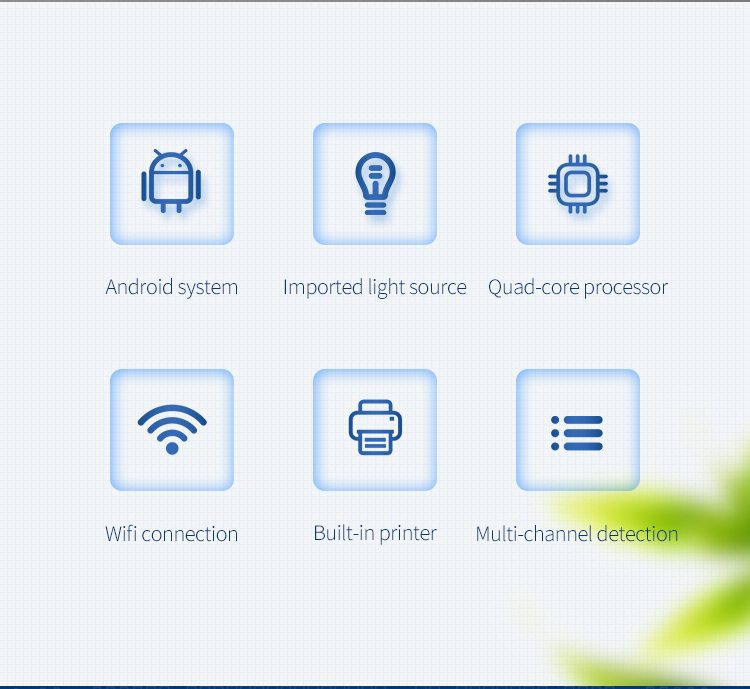
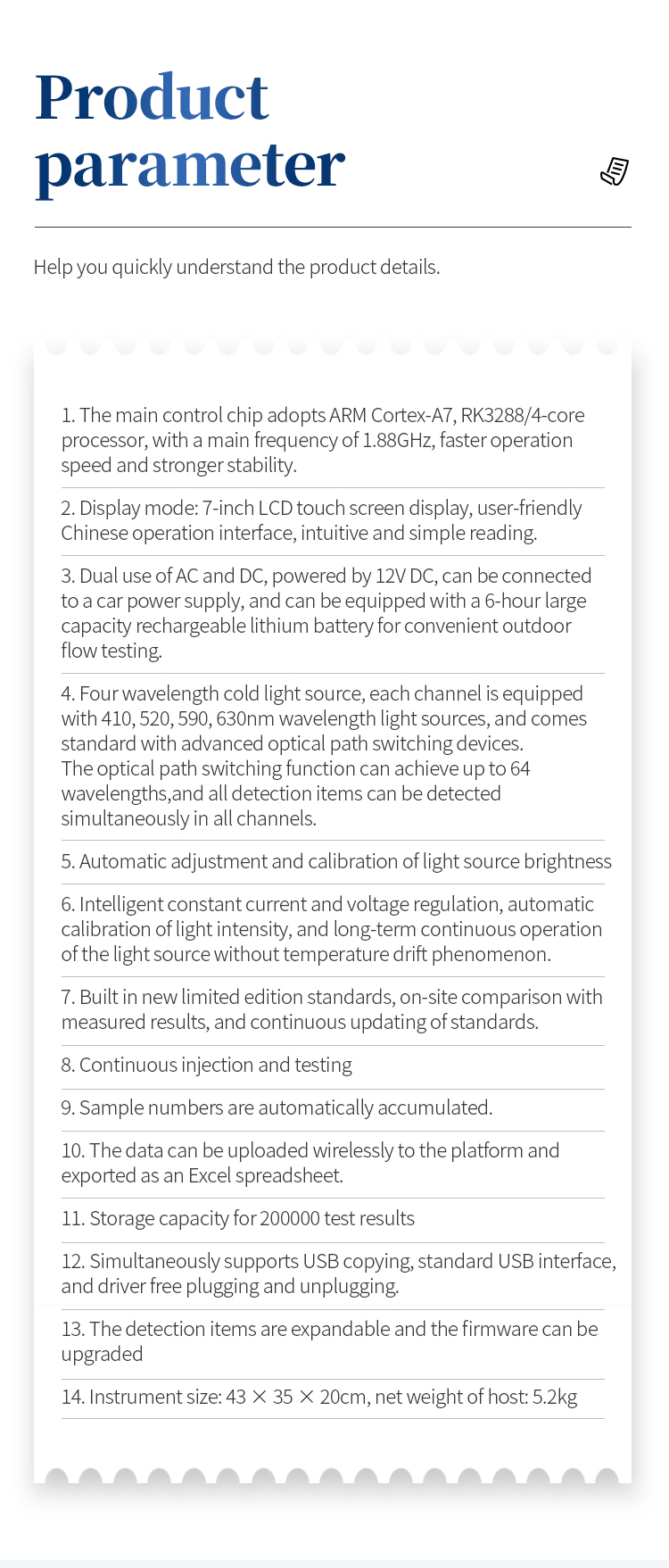
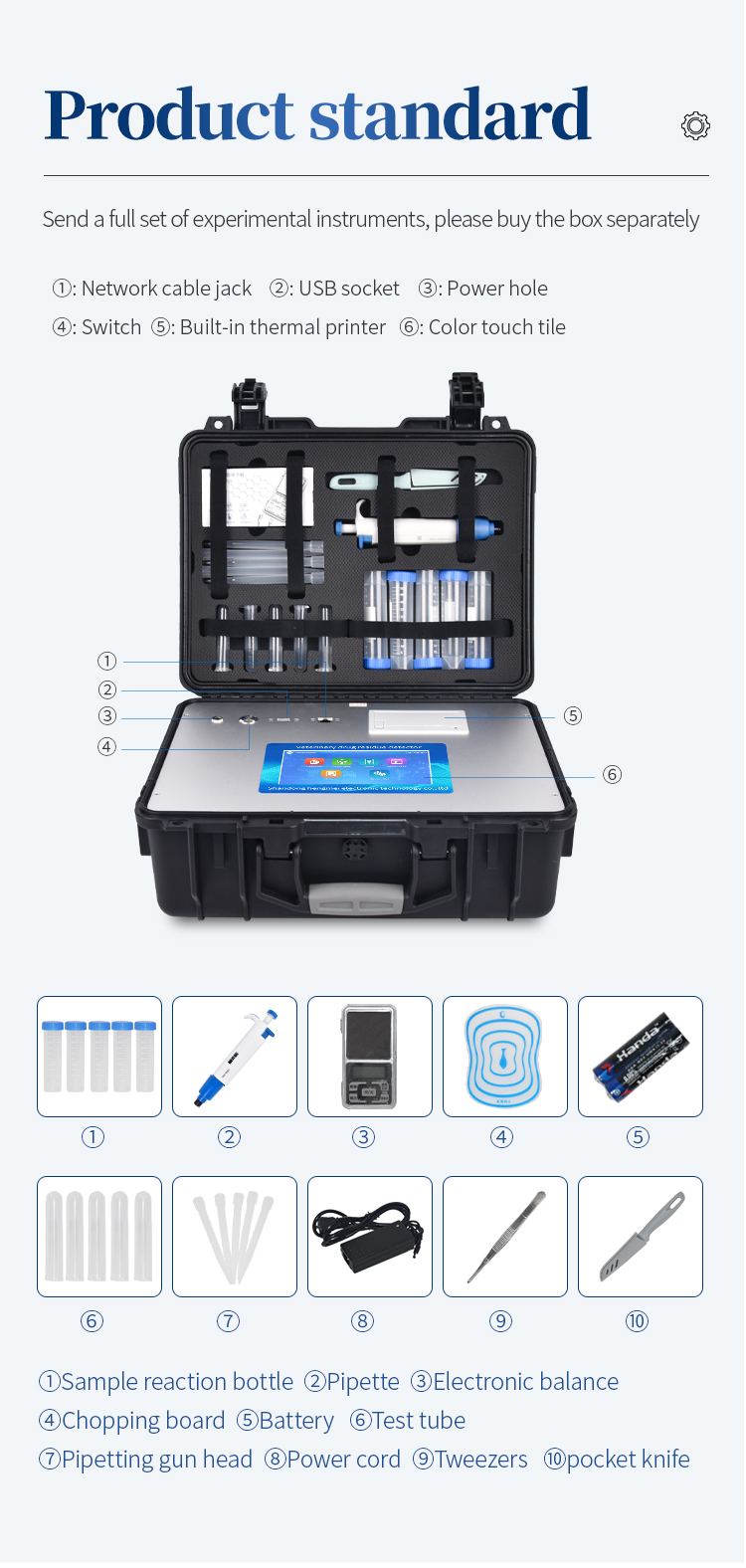
Powered by an ARM Cortex-A7 RK3288 quad-core processor at 1.88 GHz with a 7-inch color touchscreen, the system provides an interface that requires minimal operator training—a critical consideration in high-turnover processing environments. The onboard database stores 200,000 test records with full sample traceability, enabling facilities to demonstrate due diligence during regulatory audits and export certification reviews. The dual AC/DC power architecture, supported by a 6 Ah rechargeable lithium battery, ensures continuous operation whether the instrument is stationed at a fixed laboratory bench or transported between receiving bays, kill floors, and cold storage areas. For a comprehensive overview of building an integrated residue monitoring program across your operation, see our guide to implementing meat supply chain residue monitoring programs.
Applications
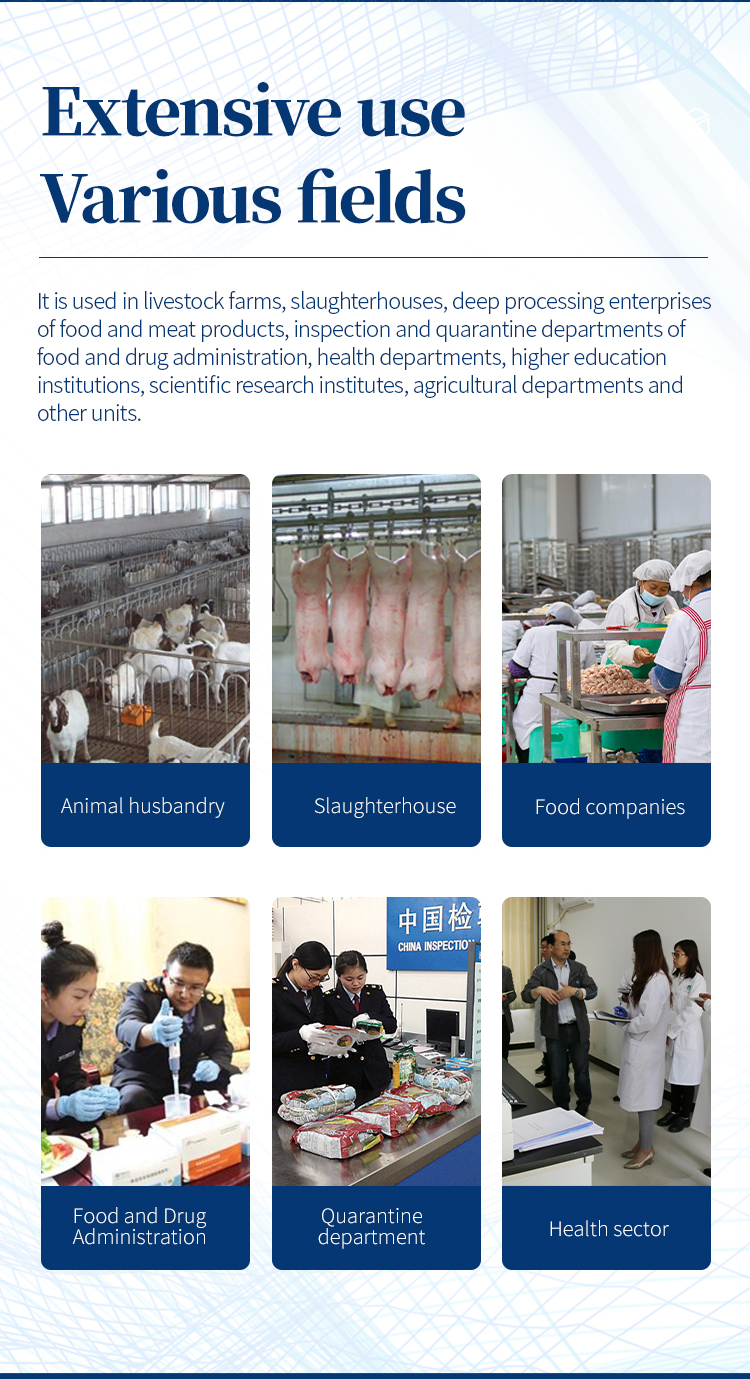
- Slaughterhouse receiving bay screening: Test urine or tissue samples from incoming livestock lots before unloading, preventing contaminated animals from entering the facility and cross-contaminating equipment and other carcasses.
- Pre-slaughter holding pen monitoring: Conduct rapid beta-agonist screening on live animals during the mandatory withdrawal period to verify that administered veterinary drugs have cleared below regulatory thresholds.
- Processing line carcass testing: Sample muscle tissue at designated control points along the slaughter and dressing line, providing batch-level residue data before carcasses proceed to chilling, cutting, and packaging.
- Finished product release verification: Perform end-of-line screening on packaged meat cuts destined for export markets, generating documented evidence of residue compliance for the consignment's health certificate application.
- Livestock farm antibiotic stewardship: Deploy the instrument at integrated livestock operations to monitor antibiotic withdrawal compliance, supporting veterinary oversight and responsible antimicrobial use programs.
- Aquaculture processing facility inspection: Screen farmed fish and shrimp deliveries for malachite green, chloramphenicol, and nitrofuran metabolites—prohibited substances that remain persistent concerns in international aquaculture trade.
- Cold storage and distribution center audits: Conduct spot-check residue screening on stored and transshipped meat products to verify that cold chain integrity has not been compromised by undocumented product substitution or commingling.
Key Features & Advantages
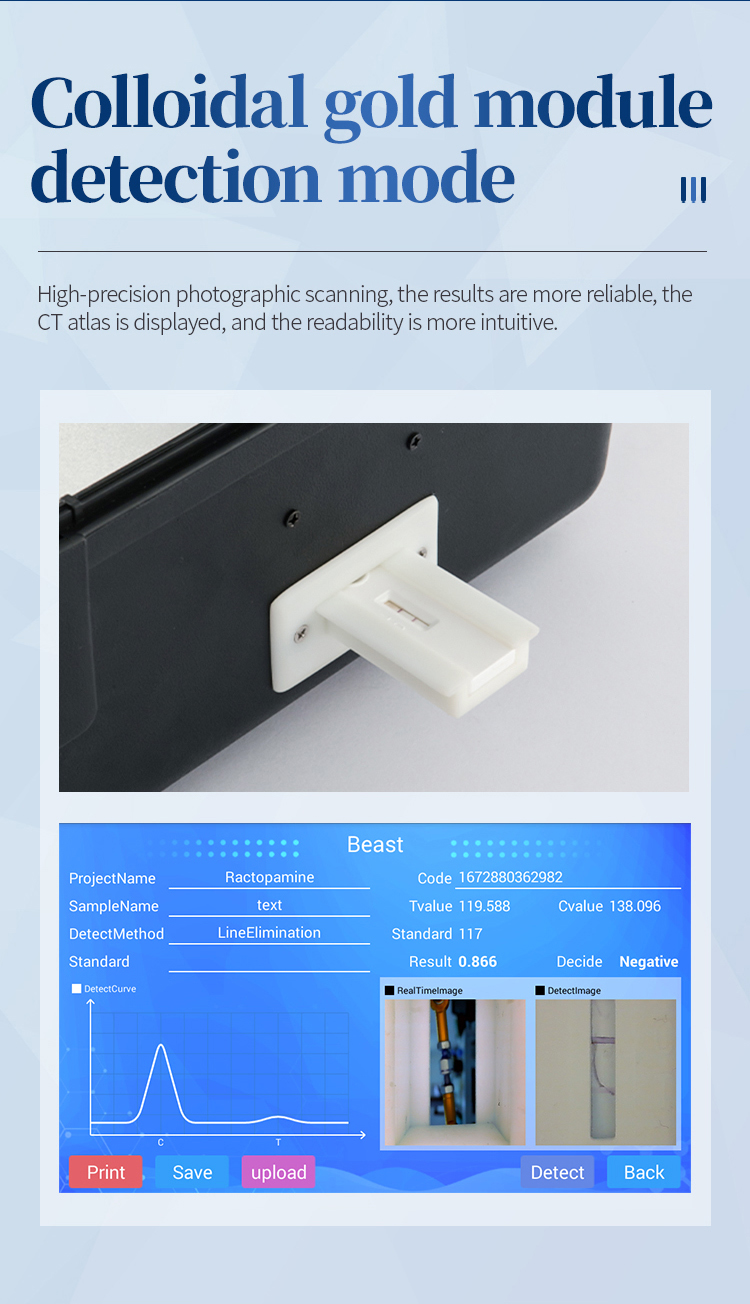
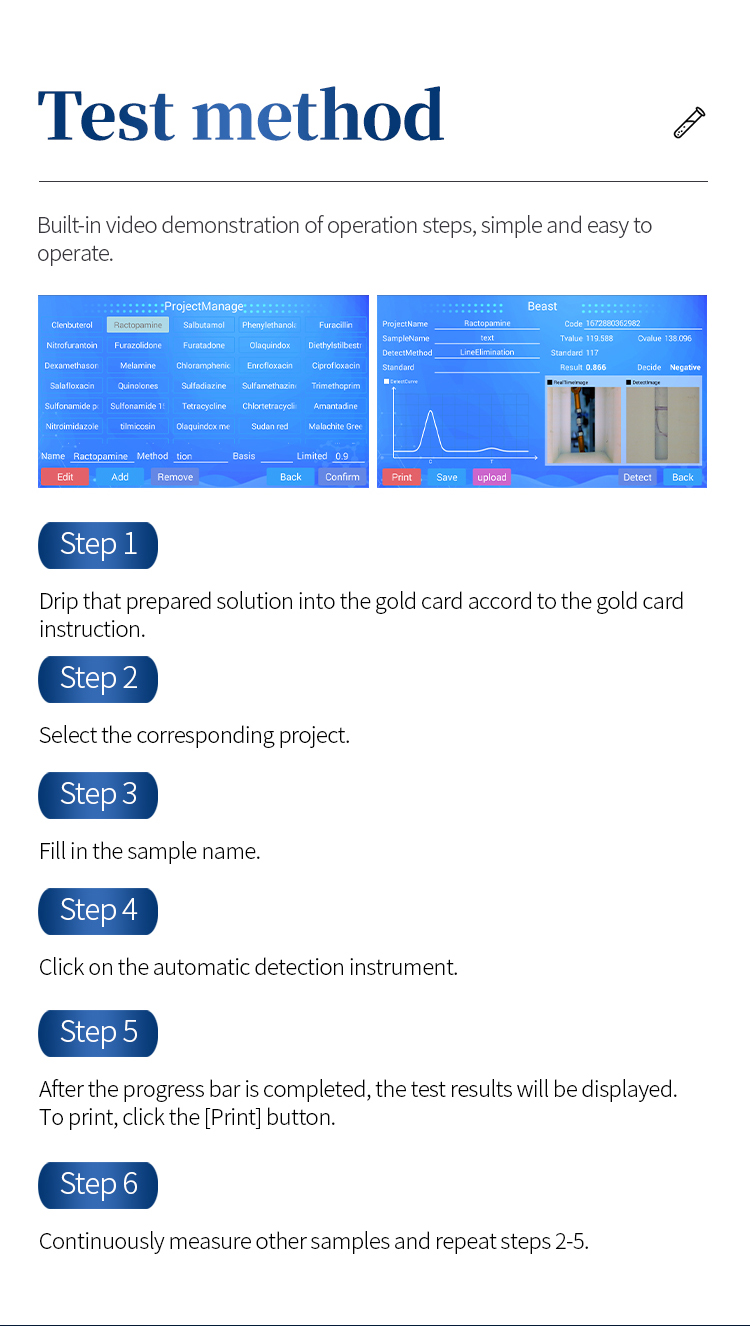
- Colloidal gold immunochromatography detection principle with automated CCD image capture and grayscale analysis, delivering screening results in 15–30 minutes per test card without requiring skilled laboratory technicians.
- Comprehensive residue coverage spanning four critical categories: beta-agonists, multi-class antibiotics, aquatic product contaminants, and synthetic hormones—the analytes most commonly cited in meat export rejection notifications.
- 7-inch TFT-LCD color touchscreen operating at 1024 × 600 resolution, providing clear result visualization even under the variable lighting conditions typical of slaughterhouse receiving docks and processing floors.
- ARM Cortex-A7 RK3288 quad-core processor (1.88 GHz) enabling rapid test card image analysis, automated T-line/C-line ratio calculation, and immediate pass/fail determination against pre-configured threshold values.
- 200,000-record onboard database with sample ID, batch number, test item, operator ID, date/time stamp, and quantitative result fields—supporting full traceability from farm gate to processing lot for export certification dossiers.
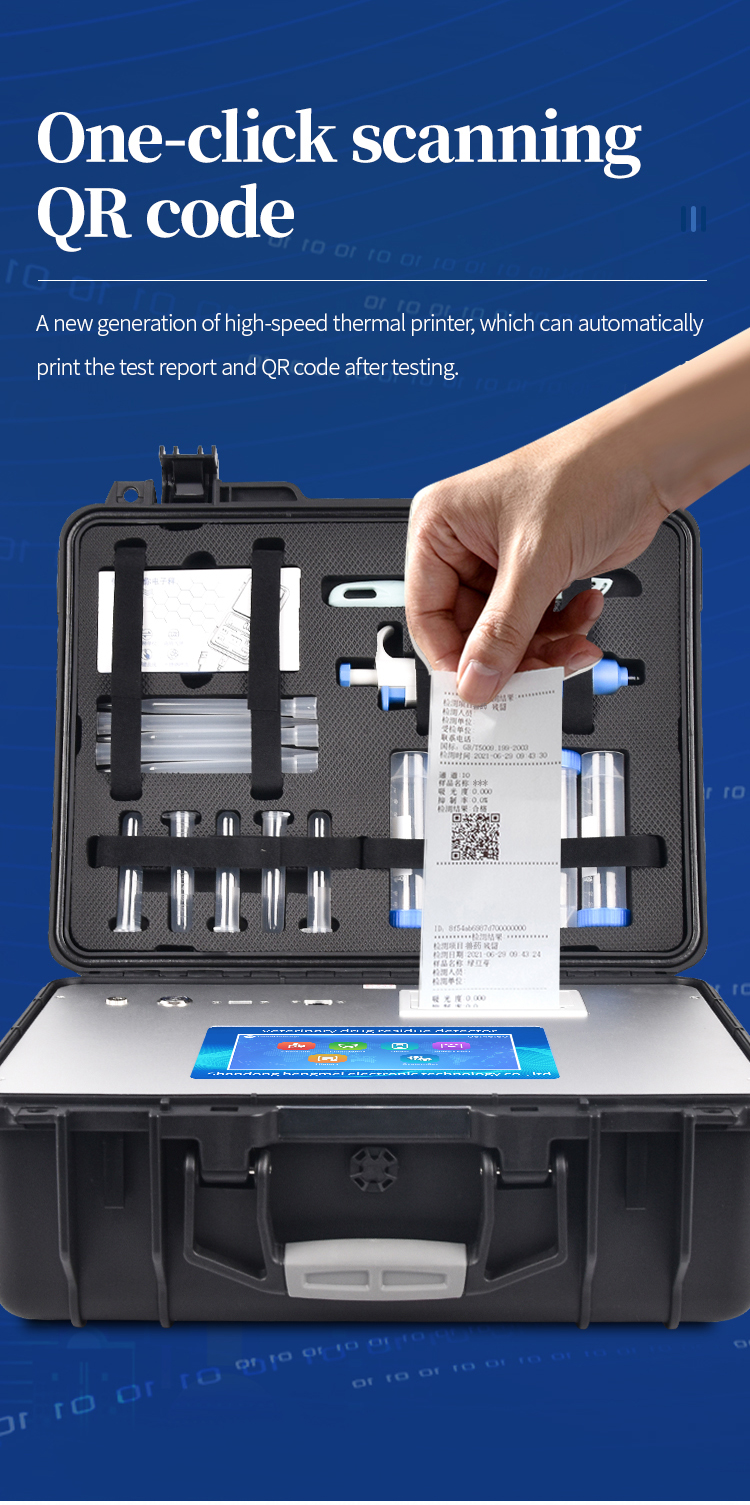
- Built-in 58 mm thermal printer producing immediate hardcopy reports with all relevant test parameters, eliminating transcription errors and providing physical documentation for regulatory inspectors during on-site audits.
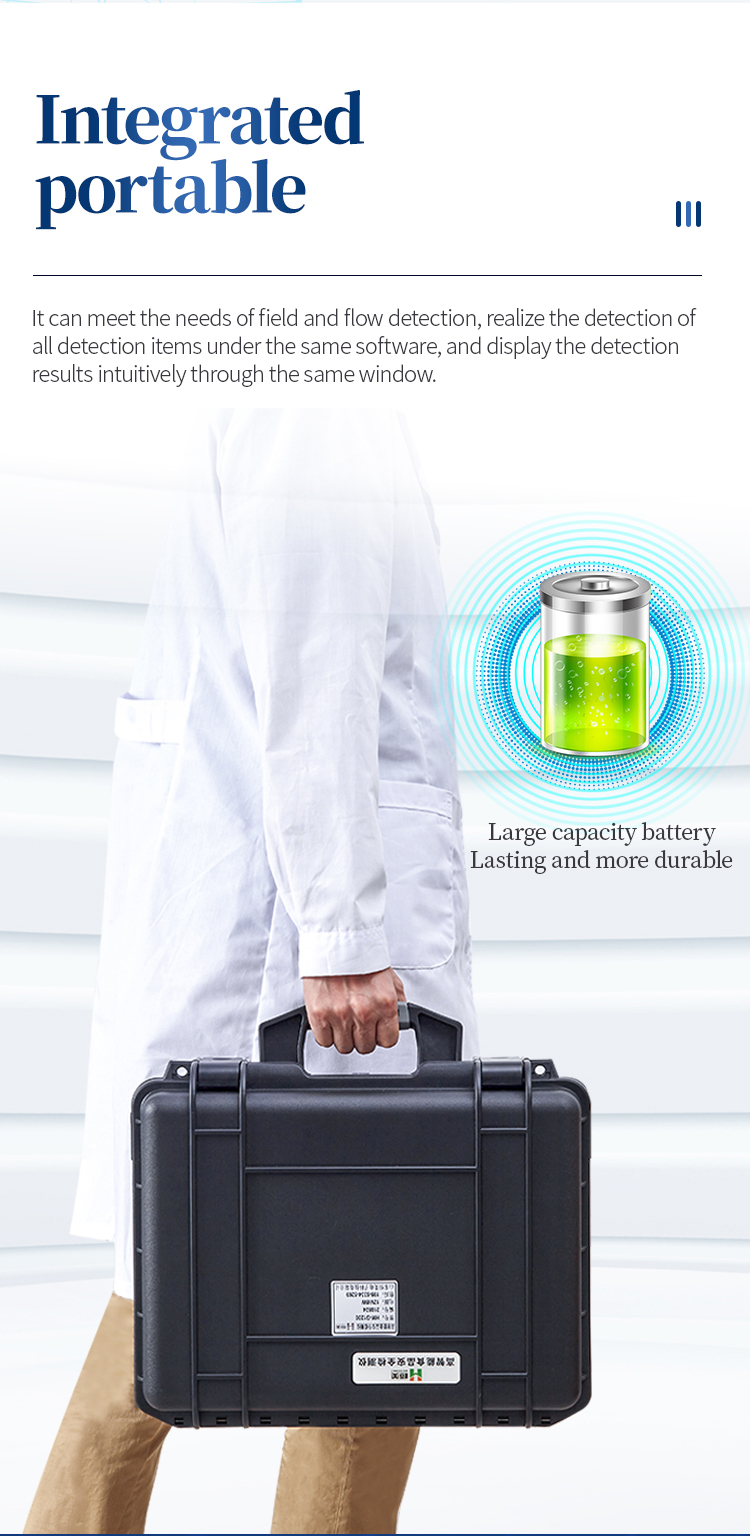
- Dual power supply with AC 100–240V mains operation and 6 Ah built-in lithium battery delivering approximately 6 hours of continuous field operation—sufficient for a full shift of mobile inspection across multiple facility zones.
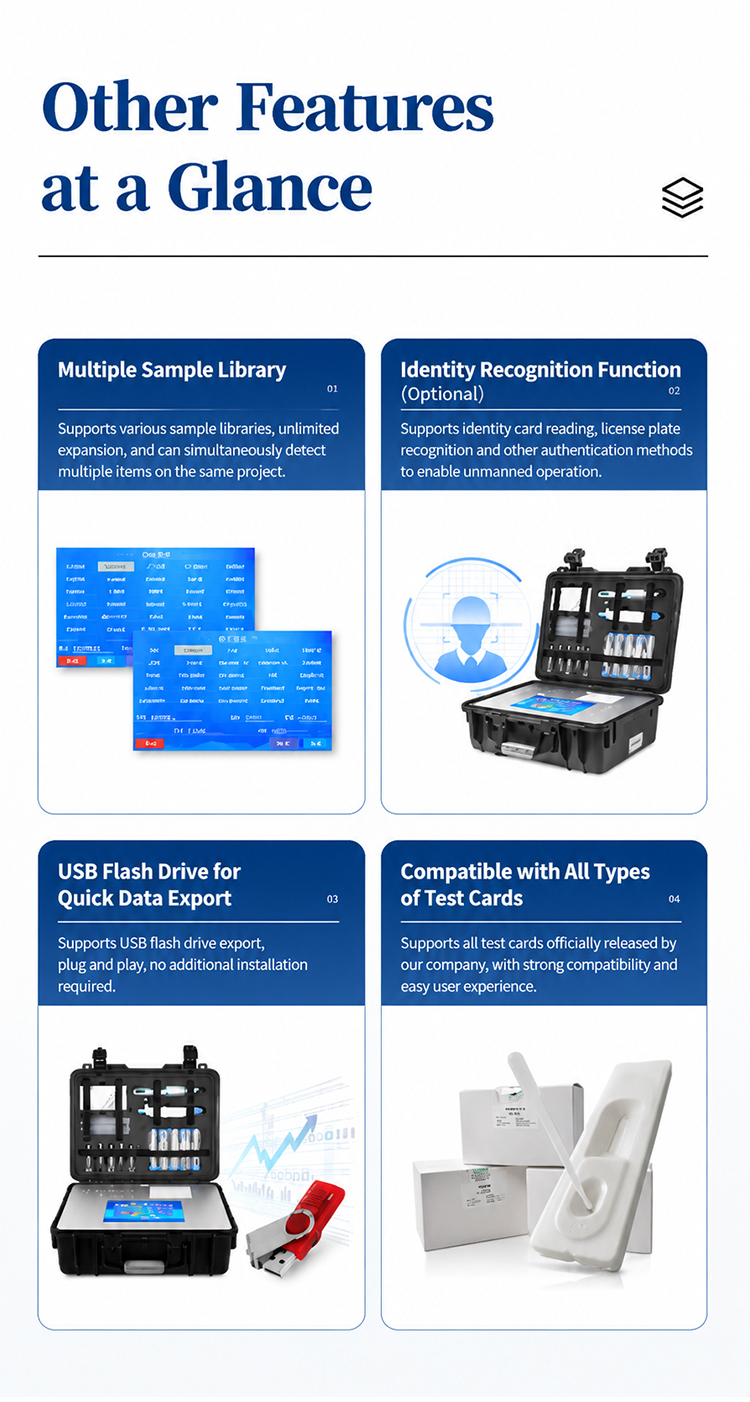
- USB 2.0 data export interface enabling transfer of test records to external storage or integration with slaughterhouse laboratory information management systems for centralized quality data management.
- Multi-level user access control separating routine operator functions (test execution, result viewing) from administrative configuration (threshold editing, new test item addition), maintaining data integrity in multi-operator environments.
- Compact chassis design measuring 43 × 35 × 20 cm with a net weight of 5.2 kg and integrated carrying handle, facilitating transport between receiving, processing, and cold storage areas within large facilities.
- Customizable test item library allowing facility quality managers to add new analyte profiles and adjust detection thresholds as regulatory MRL values are updated or new export market requirements emerge.
- Operating temperature range of 5 ℃ to 40 ℃ and humidity tolerance of 15% to 80% RH (non-condensing), ensuring reliable performance in the ambient conditions found in meat processing environments.
- Support for both Chinese and English language interfaces, accommodating domestic Chinese processing operations and internationally oriented export facilities with multilingual quality teams.
- Comprehensive analyte library covering clenbuterol, salbutamol, ractopamine, tetracyclines, nitrofurans (including AOZ, AMOZ, AHD, SEM metabolites), sulfonamides, quinolones, florfenicol, gentamicin, streptomycin, amoxicillin, erythromycin, malachite green, chloramphenicol, diazepam, diethylstilbestrol, and olaquindox.
- Test card-based workflow with minimal sample preparation requirements—typically involving tissue homogenization, extraction buffer addition, and centrifugation—that can be performed by line QC staff following a standardized operating procedure.
- Packaged weight of 6.7 kg including instrument, power adapter, thermal printer paper rolls, and starter accessory kit, providing a self-contained deployment package for new facility onboarding.
Technical Specifications
| Parameter | Specification |
|---|---|
| Model | HM-SYJC |
| Detection Principle | Colloidal gold immunochromatography with reflectance photometry |
| Detection Targets | Beta-agonists, antibiotics, aquatic product contaminants, hormones |
| Beta-agonists | Clenbuterol, salbutamol, ractopamine |
| Antibiotics | Tetracyclines, nitrofurans, sulfonamides, quinolones, florfenicol, gentamicin, streptomycin, amoxicillin, erythromycin |
| Aquatic Product Safety | Malachite green, chloramphenicol, nitrofuran metabolites (AOZ, AMOZ, AHD, SEM), diazepam |
| Hormones | Diethylstilbestrol, olaquindox |
| Processor | ARM Cortex-A7 RK3288 quad-core, 1.88 GHz |
| Display | 7-inch TFT-LCD color touchscreen, 1024 × 600 pixels |
| Image Capture | Built-in CCD camera with automated test line identification |
| Detection Time per Card | 15–30 minutes (varies by test item) |
| Data Storage Capacity | 200,000 records |
| Printer | Built-in 58 mm thermal printer |
| Data Export | USB 2.0 (supports external flash drive) |
| Power Supply | AC 100–240V 50/60Hz; DC with 6 Ah built-in rechargeable lithium battery |
| Battery Runtime | Approximately 6 hours continuous field operation |
| Dimensions (L × W × H) | 43 × 35 × 20 cm |
| Net Weight | 5.2 kg |
| Packaged Weight | 6.7 kg |
| Operating Temperature | 5 ℃ to 40 ℃ |
| Operating Humidity | 15% to 80% RH (non-condensing) |
| Language Support | Chinese, English |
The HM-SYJC provides on-site semi-quantitative screening that enables facilities to identify non-compliant carcasses or lots before they enter further processing. By testing at receiving, the instrument flags incoming animals with residue levels above configured threshold values. The system stores 200,000 test records with full traceability data—sample ID, batch number, operator, date/time, and quantitative T-line/C-line ratio readings—creating an auditable documentation trail that demonstrates systematic residue surveillance to importing country authorities. While confirmatory analysis still requires reference laboratory methods for regulatory action, the HM-SYJC's rapid screening dramatically reduces the probability that contaminated product reaches the export consignment stage. Facilities can align the instrument's detection thresholds with specific MRL values published by the Codex Alimentarius Commission, the European Union, or individual importing country regulations, configuring different threshold profiles for different destination markets.
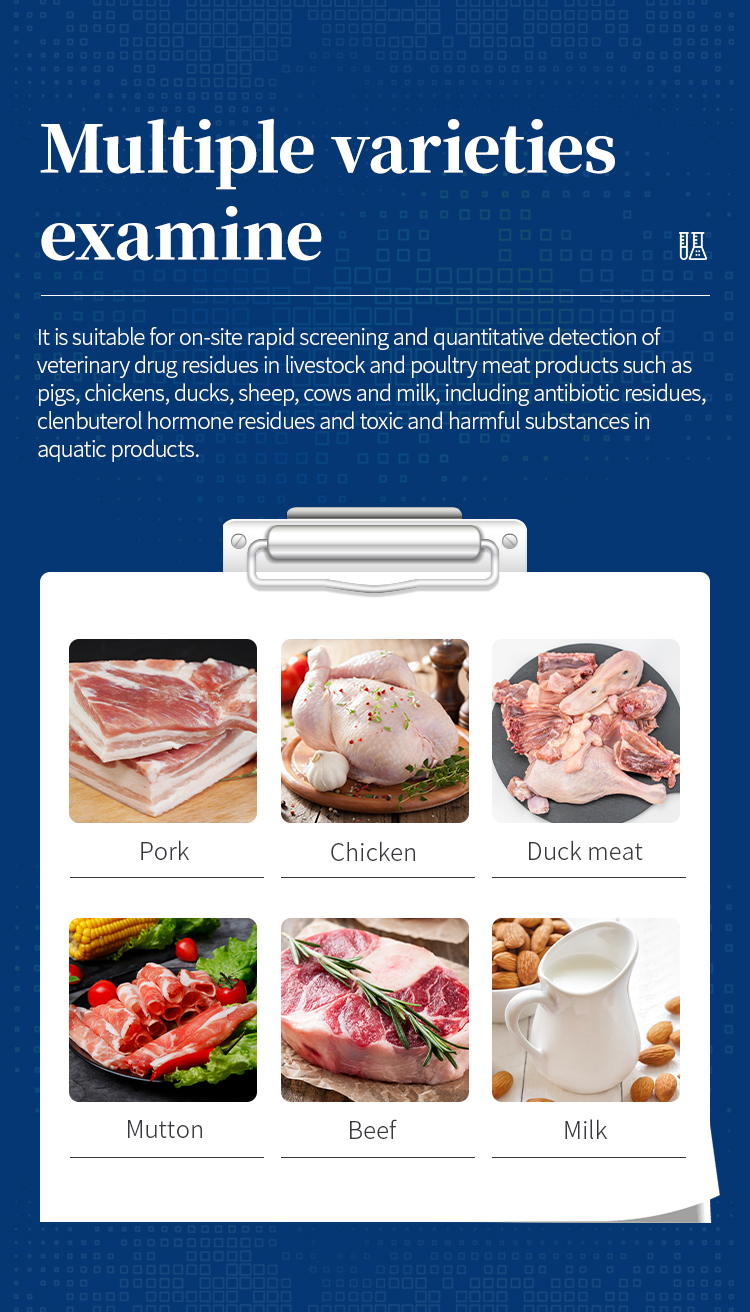
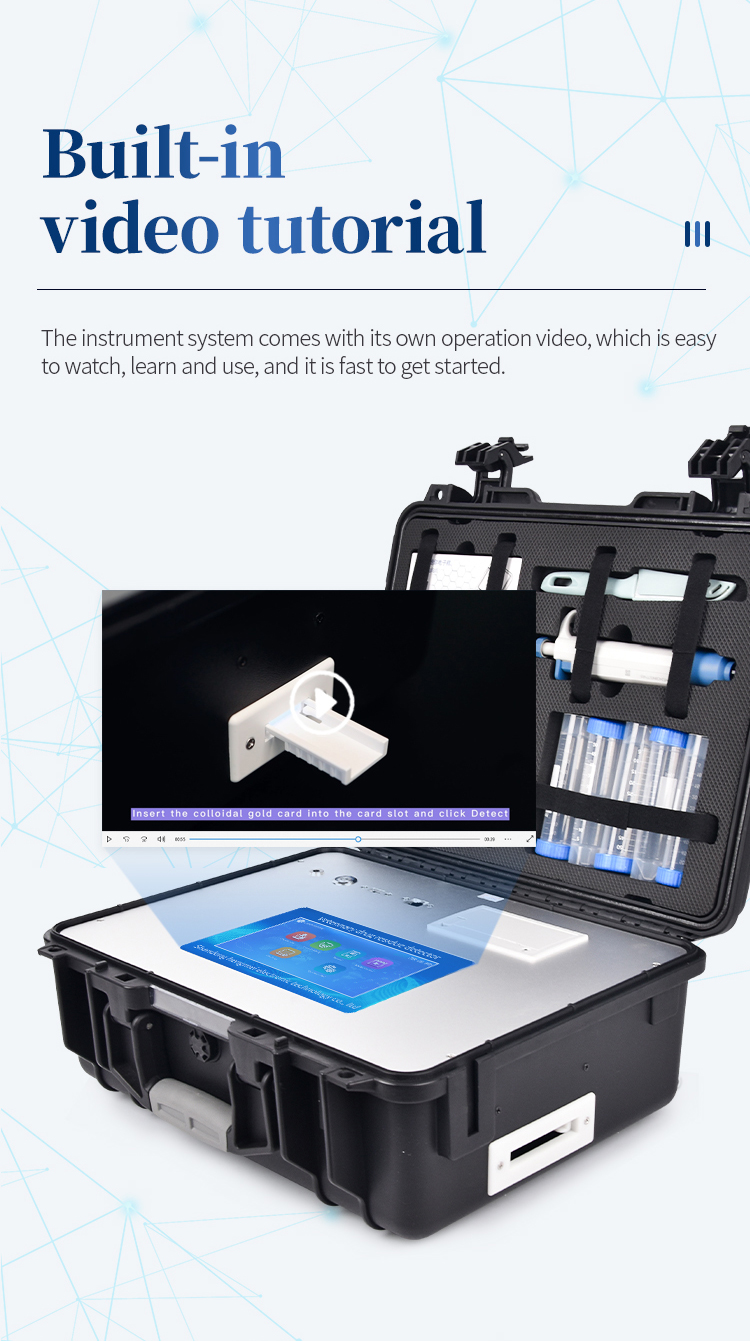
Sample preparation follows a consistent workflow across meat types, though minor protocol variations apply. For muscle tissue (applicable to pork, beef, lamb, and poultry), the procedure involves: (1) homogenizing approximately 5 grams of tissue sample using a portable homogenizer or manual mincing; (2) transferring the homogenate to a centrifuge tube with the provided extraction buffer; (3) vortex mixing for 1–2 minutes followed by centrifugation at 4000 rpm for 5 minutes; (4) collecting the supernatant for application to the colloidal gold test card. For urine samples (commonly used in pre-slaughter screening), the protocol is simpler—the sample can be applied directly or after brief centrifugation if visible turbidity is present. For aquatic products including fish and shrimp, an additional defatting step using the provided reagent may be recommended for high-fat species. The HM-SYJC test card kits include detailed matrix-specific standard operating procedures, and the instrument's onboard help system provides step-by-step visual guidance. Total sample preparation time typically ranges from 10–20 minutes depending on sample type.
Cross-reactivity in colloidal gold immunochromatography test cards is primarily determined by the specificity of the monoclonal or polyclonal antibodies immobilized on the test line. The HM-SYJC test card portfolio supplied by HM Instruments undergoes validation against structurally related compounds within each analyte class to characterize cross-reactivity profiles. For beta-agonist cards, cross-reactivity between clenbuterol, salbutamol, and ractopamine is intentionally designed to provide class-level screening, though individual cards with higher specificity are available. For antibiotic cards, cross-reactivity with other members of the same class (e.g., different tetracyclines on a tetracycline card) is expected and desirable for broad-spectrum screening, while cross-reactivity across unrelated antibiotic classes has been evaluated and documented. False positive results can arise from matrix interference in highly processed meat products, naturally occurring compounds with structural similarity, or procedural errors during sample extraction. The HM-SYJC mitigates false positive risk through automated image analysis algorithms that evaluate both test line and control line intensity against validated cutoff values, rather than relying on visual interpretation alone. Facilities implementing the HM-SYJC should establish a confirmatory testing protocol—typically sending presumptive positive samples to an accredited reference laboratory for LC-MS/MS confirmation before taking regulatory or contractual action.
Testing frequency recommendations depend on several operational factors: daily throughput volume, species mix, sourcing diversity (number of supplying farms), historical residue violation rates, and destination market requirements. For a medium-sized slaughterhouse processing 200–500 head per day, a risk-based sampling plan might include: (1) screening every incoming livestock lot at receiving—one pooled urine sample per 50 animals or per transport vehicle; (2) targeted increased frequency for animals from farms with previous residue violations or farms within a defined surveillance period following a prior detection; (3) pre-shipment screening on every export consignment lot with a statistically derived sampling rate (commonly based on Codex Alimentarius CAC/GL 50 sampling guidelines); (4) random surveillance testing on 1–2% of daily domestic production as a quality assurance measure. During heightened regulatory scrutiny periods—such as following a sector-wide residue incident or ahead of a major international trade exposition—facilities may temporarily increase to 100% lot screening. The HM-SYJC's 200,000-record storage capacity and rapid 15–30 minute per-card turnaround make such increased frequency operationally feasible without significantly disrupting processing line pace.
Both colloidal gold immunochromatography (CGIA) and enzyme-linked immunosorbent assay (ELISA) are immunoassay-based screening methods, but they differ substantially in operational characteristics relevant to meat processing environments. CGIA on the HM-SYJC offers single-card, single-sample testing with results in 15–30 minutes—a fraction of the 2–4 hour ELISA workflow including incubation, washing, and plate reading steps. The HM-SYJC requires no laboratory infrastructure beyond basic sample preparation equipment (homogenizer, centrifuge), whereas ELISA demands a microplate reader, precision pipettes, temperature-controlled incubation, and trained laboratory technologists. In terms of analytical performance, ELISA typically provides lower detection limits and better quantitative precision for some analytes, making it suitable as a semi-confirmatory method in central laboratories. CGIA, by contrast, prioritizes speed, simplicity, and per-test cost—the HM-SYJC consumable cost per parameter is generally lower than ELISA kit costs on a per-sample basis. For slaughterhouse and processing plant applications where the primary requirement is rapid pass/fail screening at the point of process control, the HM-SYJC's CGIA approach offers a more operationally practical solution. Many integrated meat companies adopt a tiered strategy: HM-SYJC screening at facility level for immediate decision-making, with presumptive positives sent for ELISA confirmation at a central or regional laboratory.
China's exported meat products must satisfy the veterinary drug residue requirements of the destination country, which vary significantly across markets. The European Union enforces stringent MRLs under Regulation (EC) No 470/2009 with specific requirements for banned substances (zero tolerance for chloramphenicol, nitrofurans, malachite green) and regulated substances (defined MRLs for tetracyclines, sulfonamides, beta-agonists). Japan's Positive List System specifies MRLs for over 800 agricultural chemicals and veterinary drugs. The United States operates under USDA-FSIS residue testing programs aligned with FDA and EPA tolerances. Additionally, China's General Administration of Customs requires export meat consignments to be accompanied by a health certificate that includes residue testing declarations. The HM-SYJC supports export compliance by enabling facilities to: (1) implement pre-shipment screening protocols aligned with destination-country analyte lists; (2) generate documented test records that serve as supporting evidence for health certificate applications; (3) configure instrument thresholds to match destination-country MRL values; (4) maintain systematic residue surveillance data that importing-country inspectors may request during facility audits. While the HM-SYJC's screening results do not replace the formal laboratory testing certificates often required by importing countries, the instrument provides the first-line assurance that contaminated product does not enter the export supply chain in the first instance.
Article address:https://www.hmfoodtesting.com/sycl1/meat-processing-residue-screening-system.html