 Current
location:
Current
location: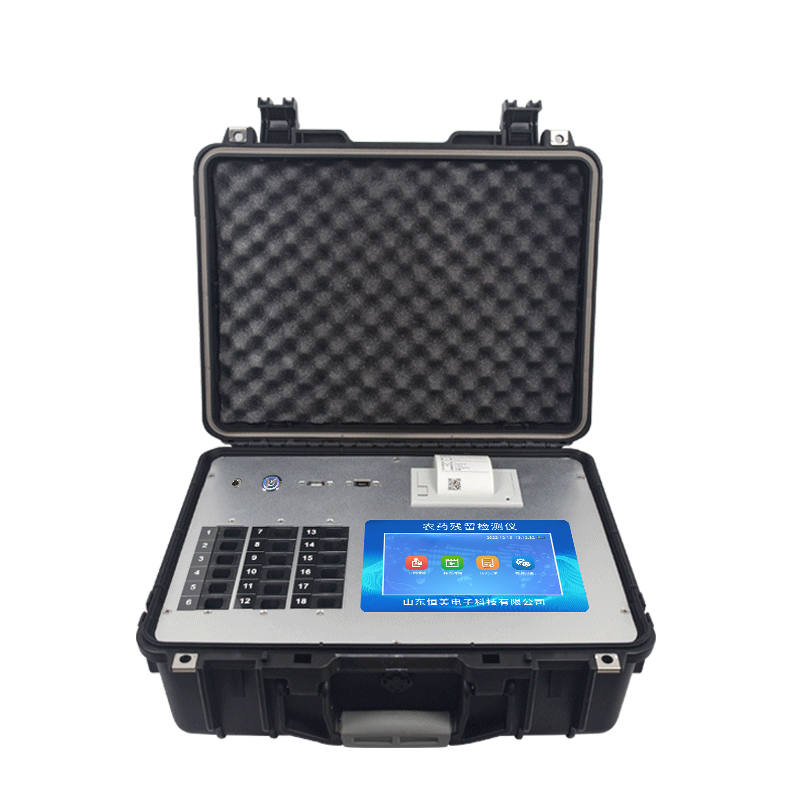
 +86
17853698681
+86
17853698681








Product Introduction
Agricultural cooperatives, county-level food safety inspection stations, and small-to-medium food processing enterprises occupy a distinct position in the food safety testing landscape. Unlike well-funded central government laboratories or large commercial facilities, these organizations operate under tight budgetary constraints while bearing direct responsibility for the safety of produce reaching local markets and school meal programs. A cooperative serving several hundred smallholder farmers may need to screen dozens of vegetable and fruit samples daily during harvest season but cannot justify the capital investment or specialized staffing for a 24-channel laboratory analyzer or LC-MS/MS system.
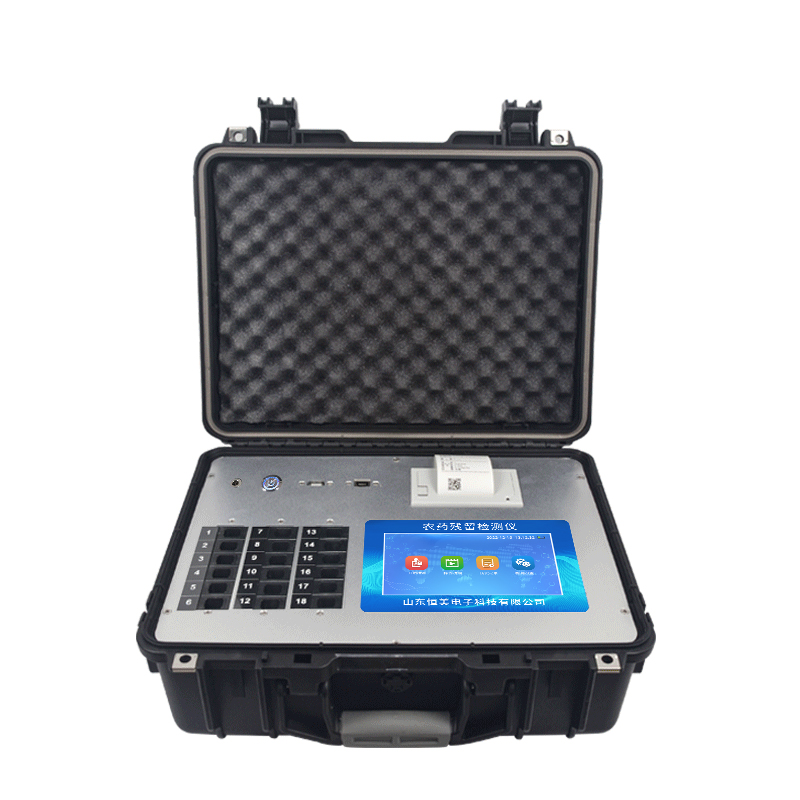
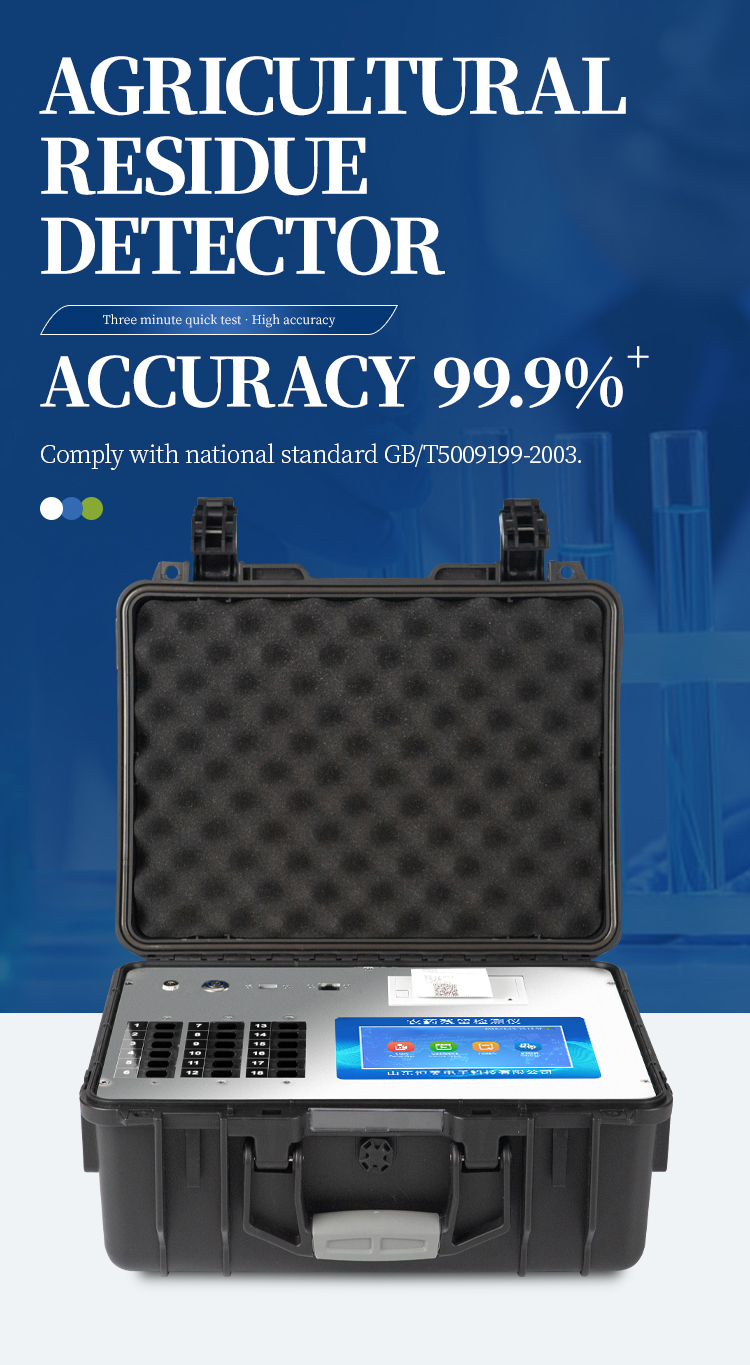
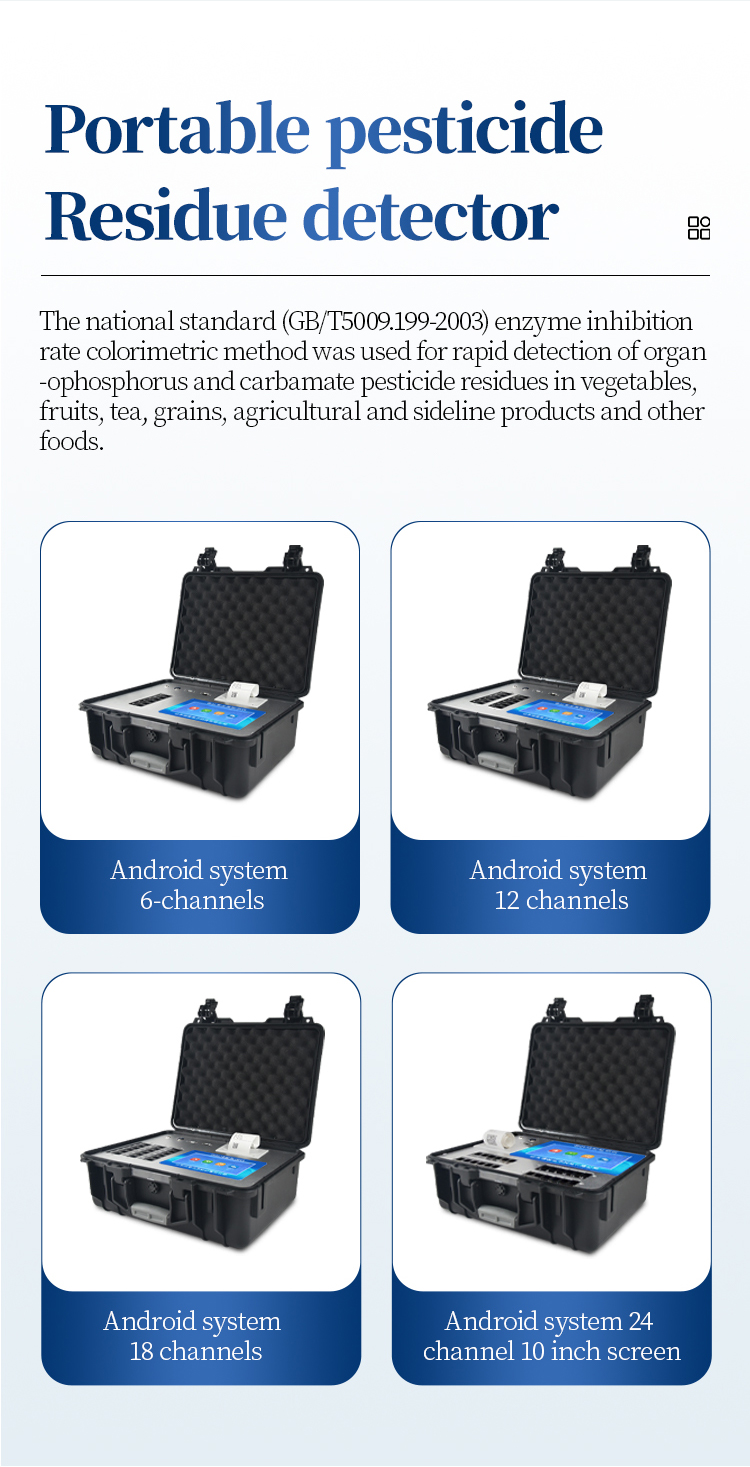
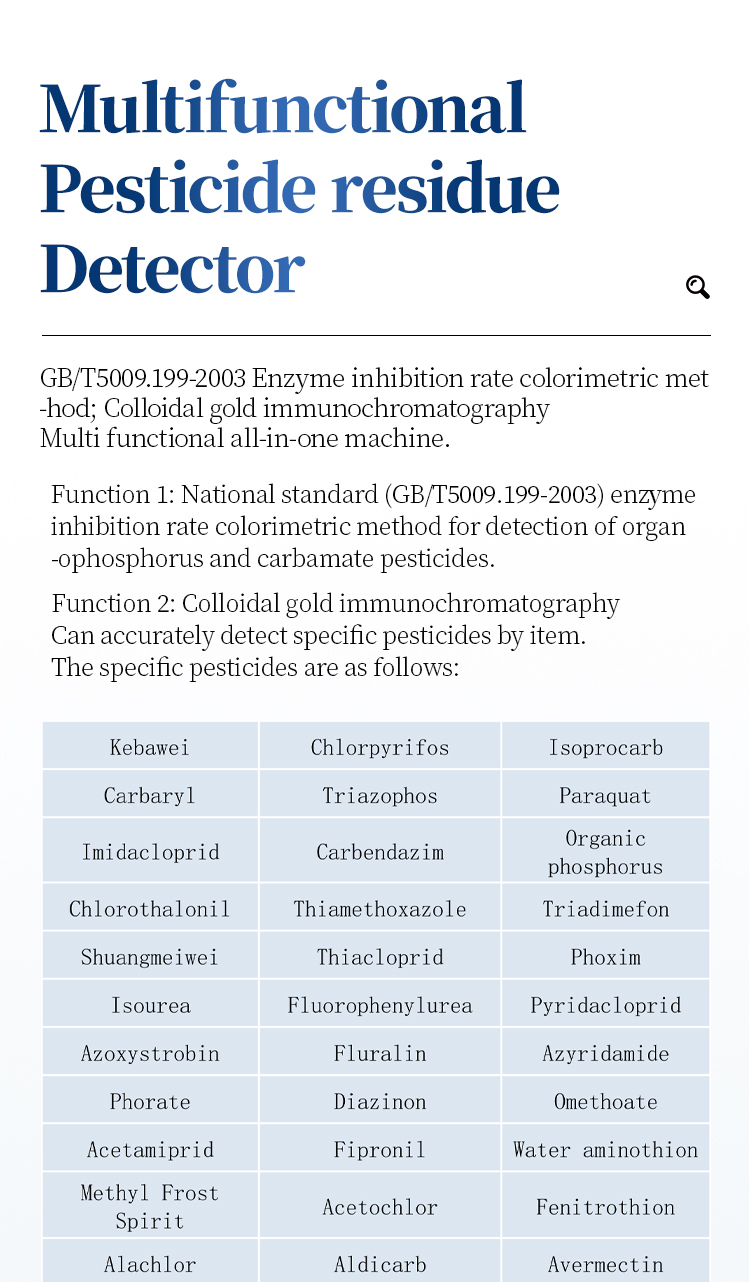
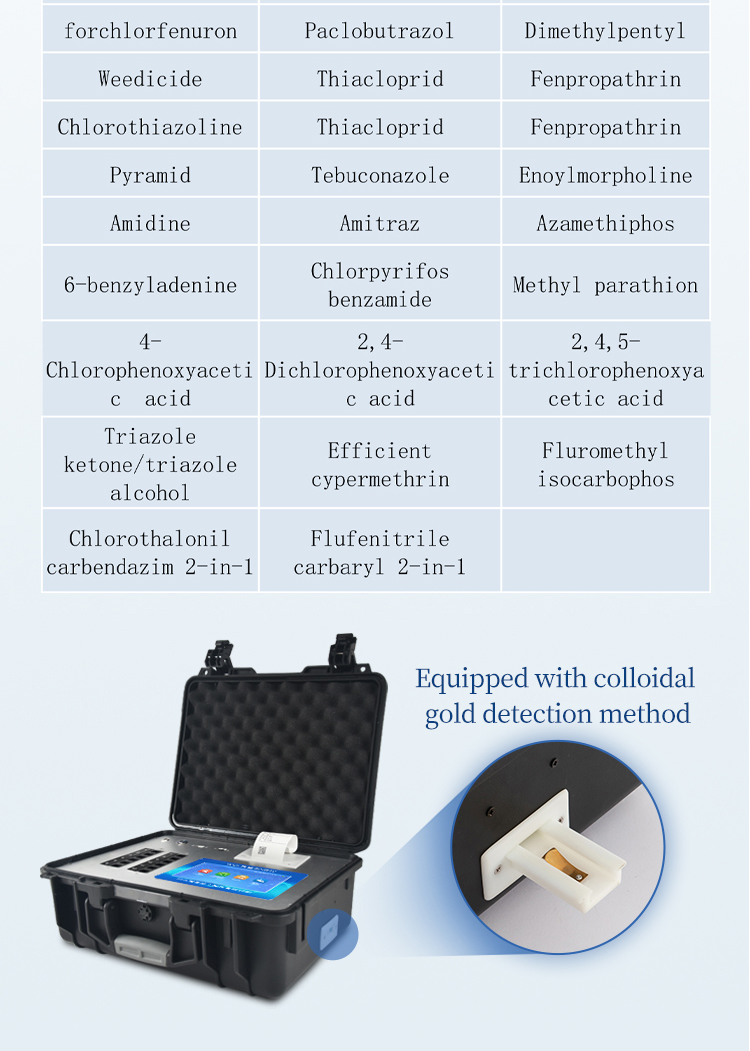
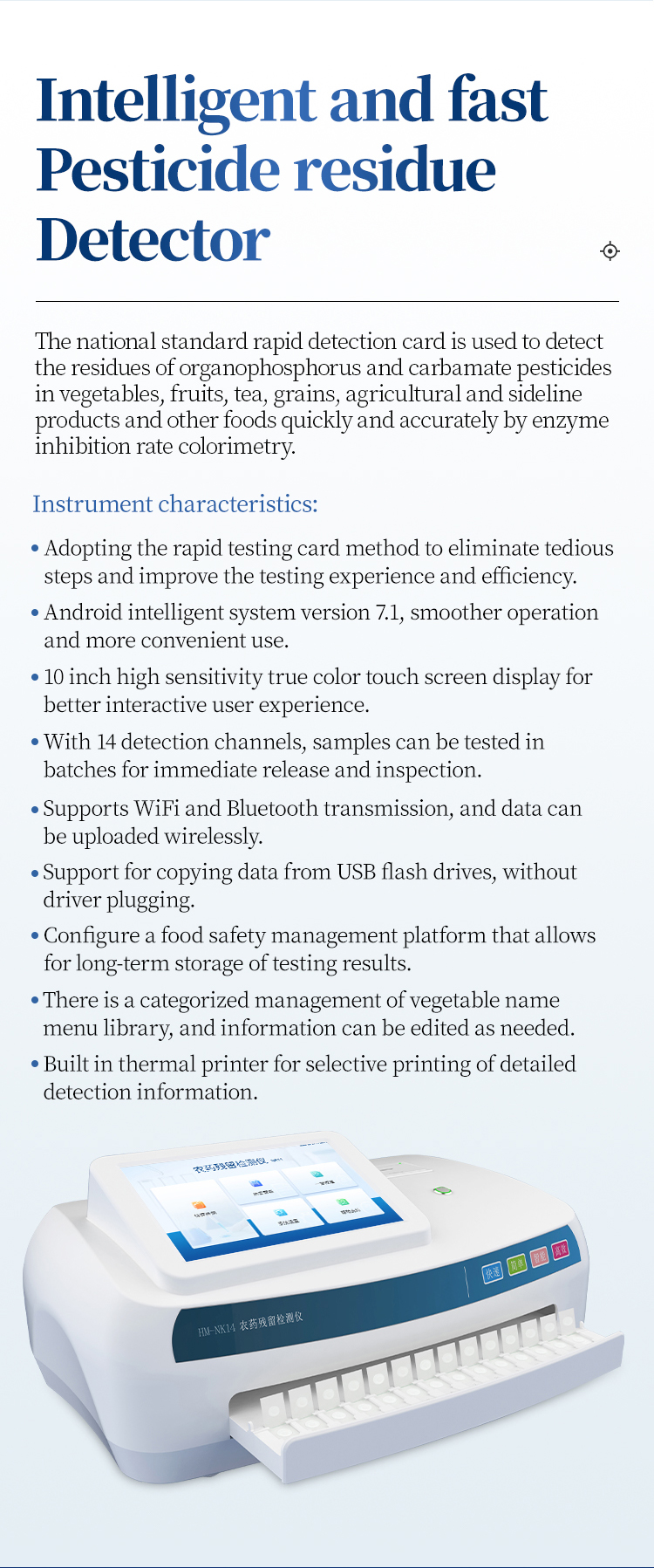
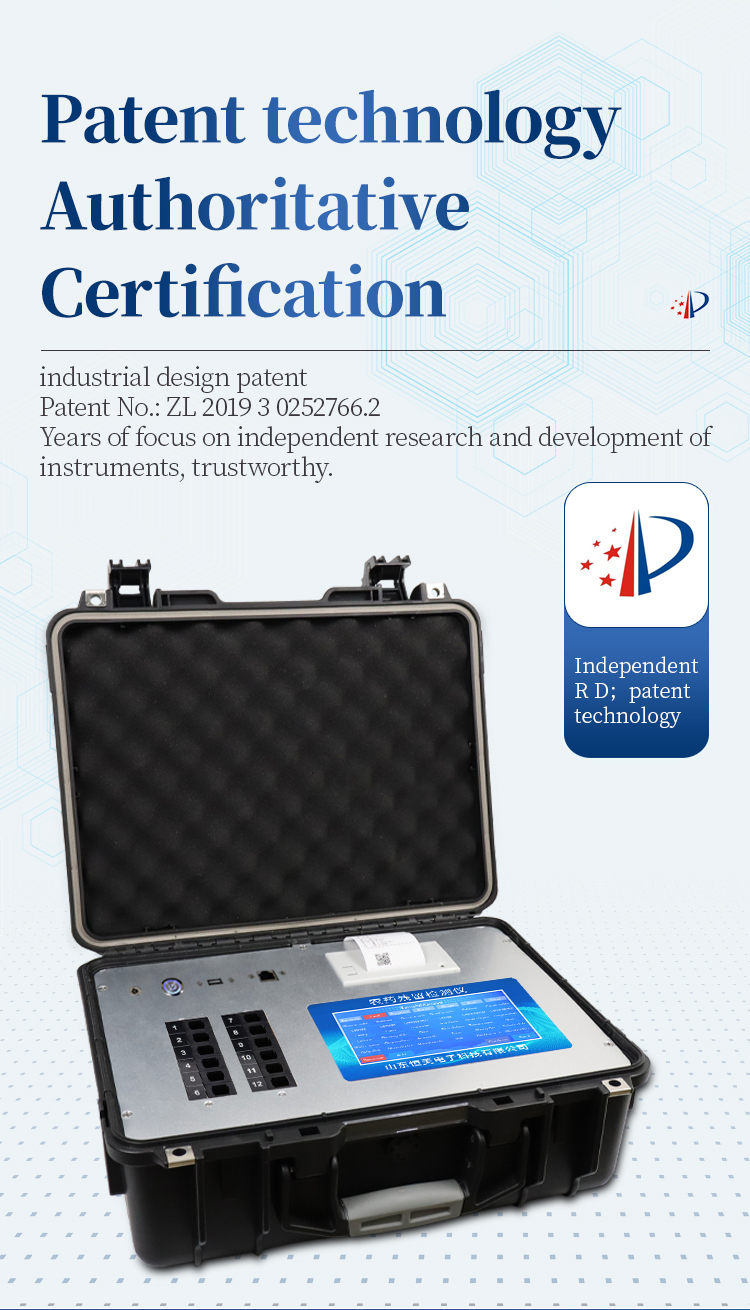
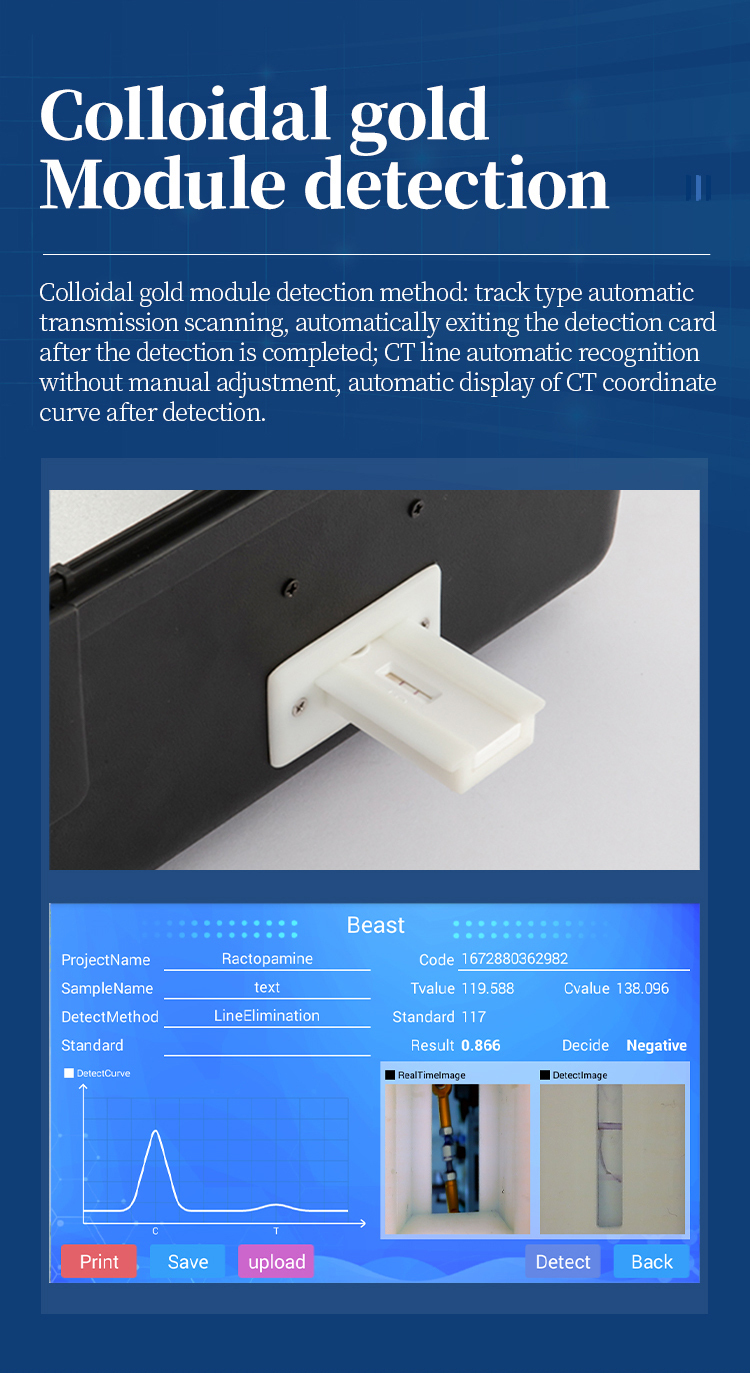
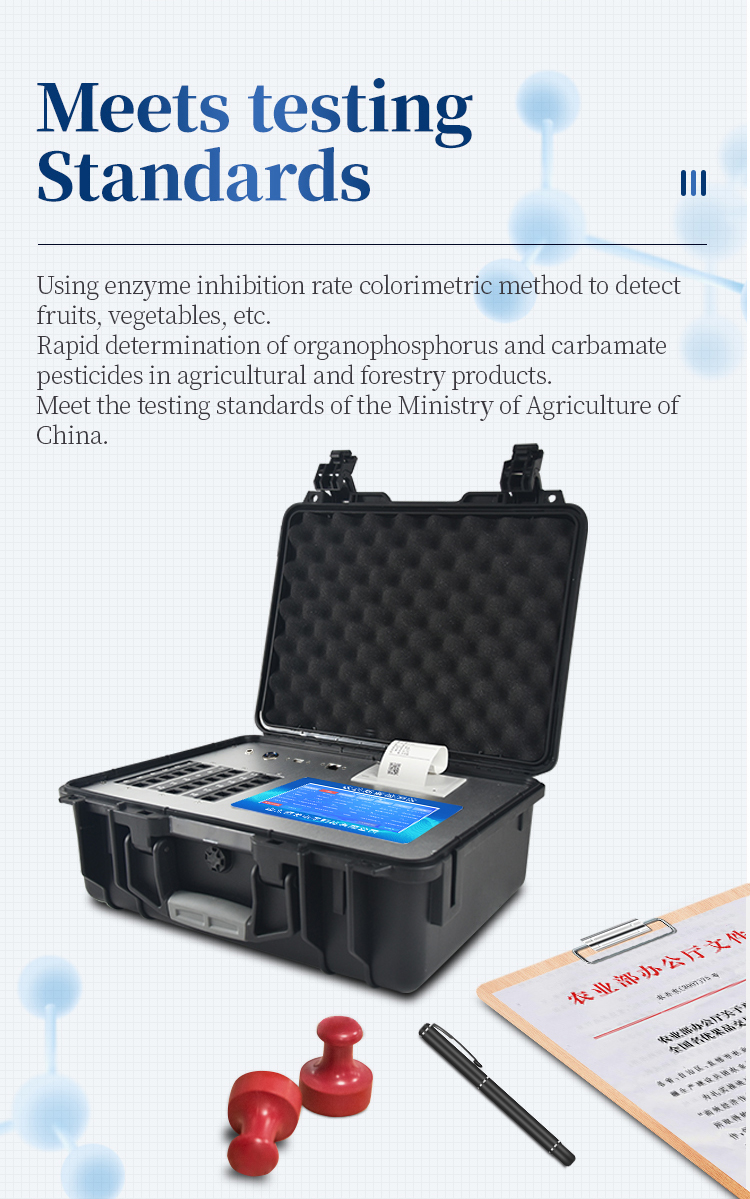
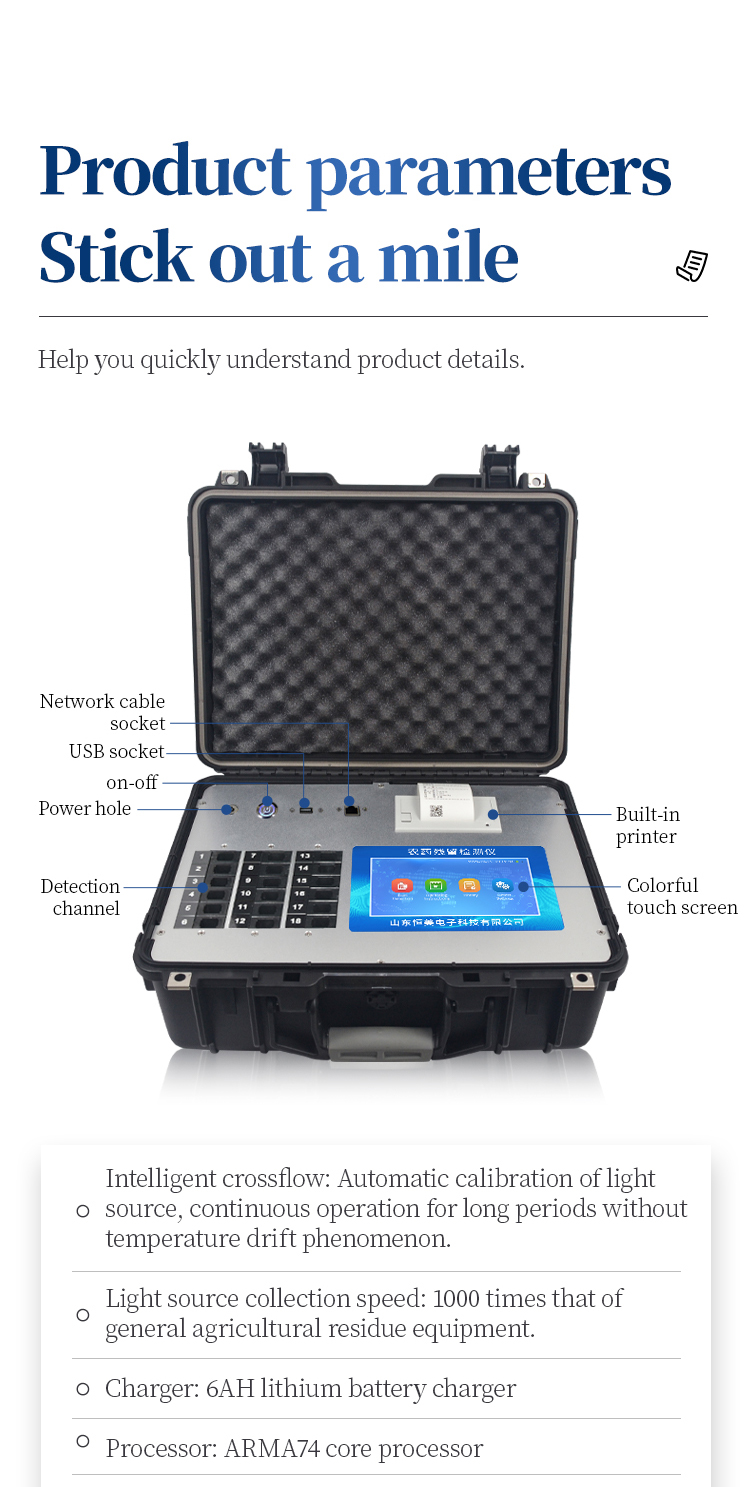
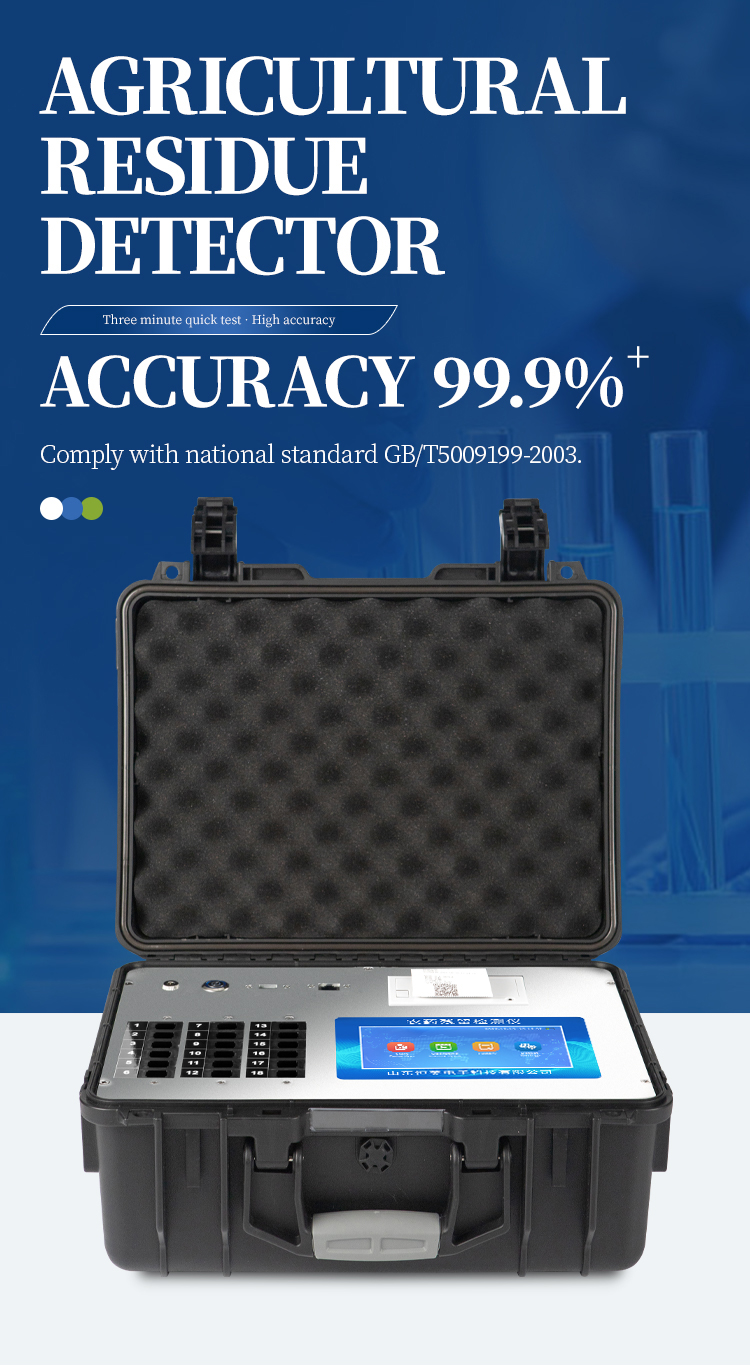
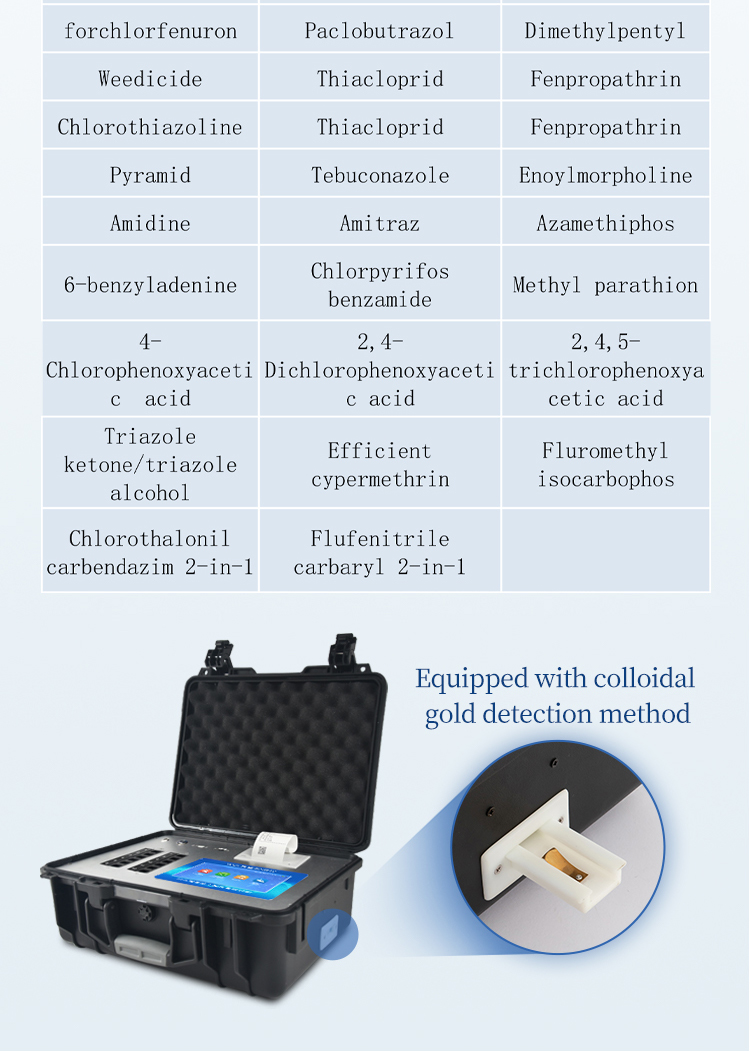
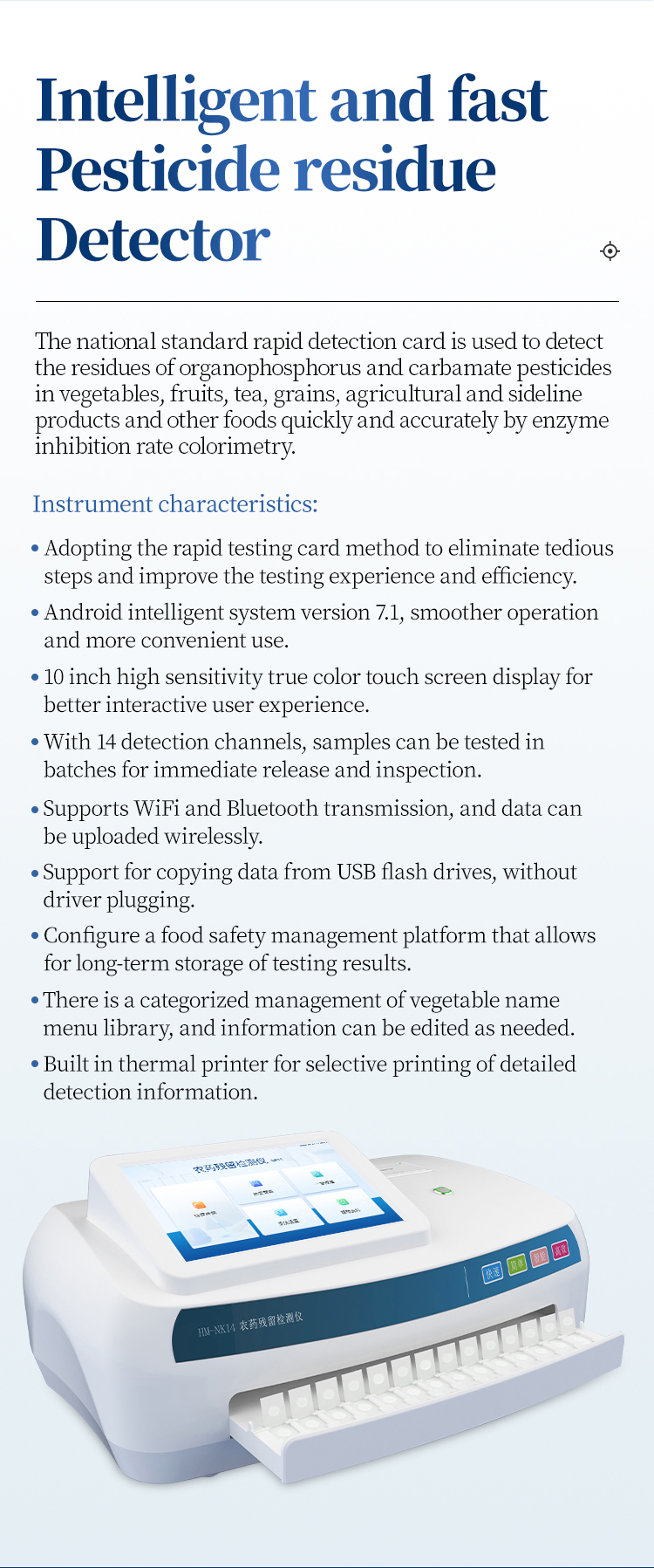
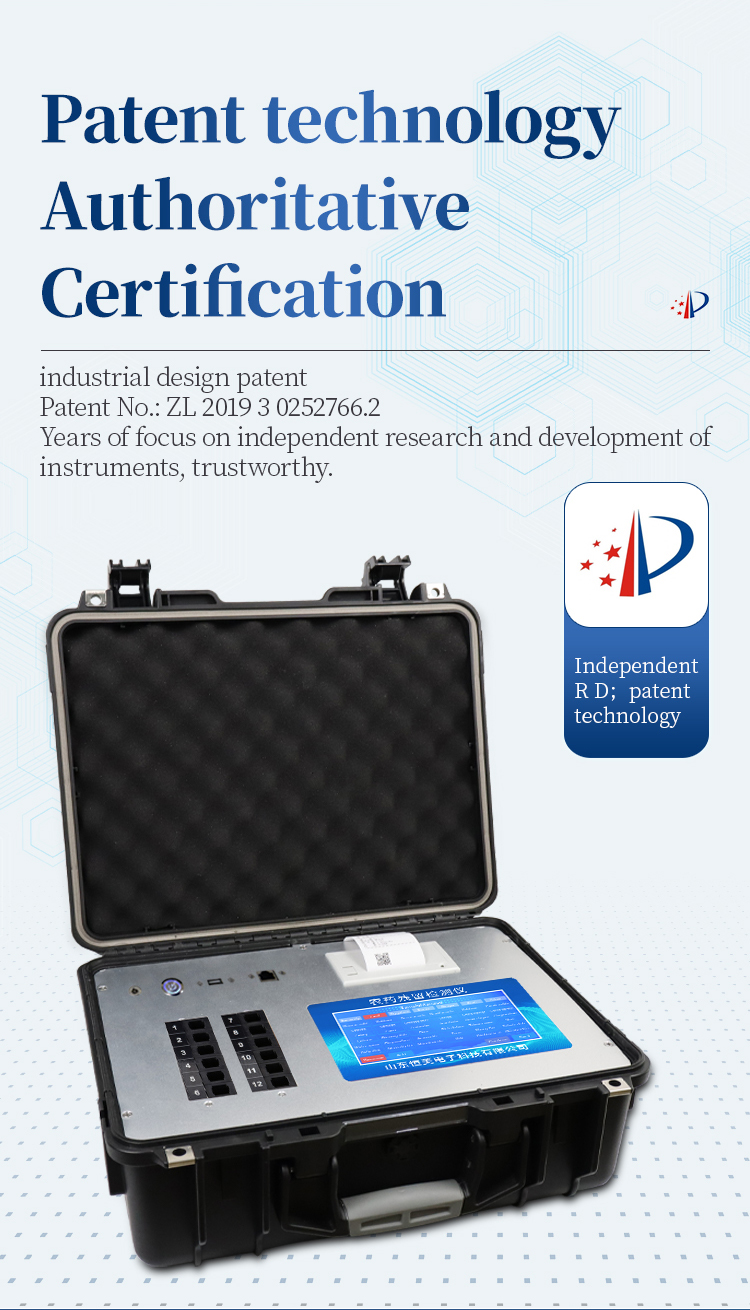
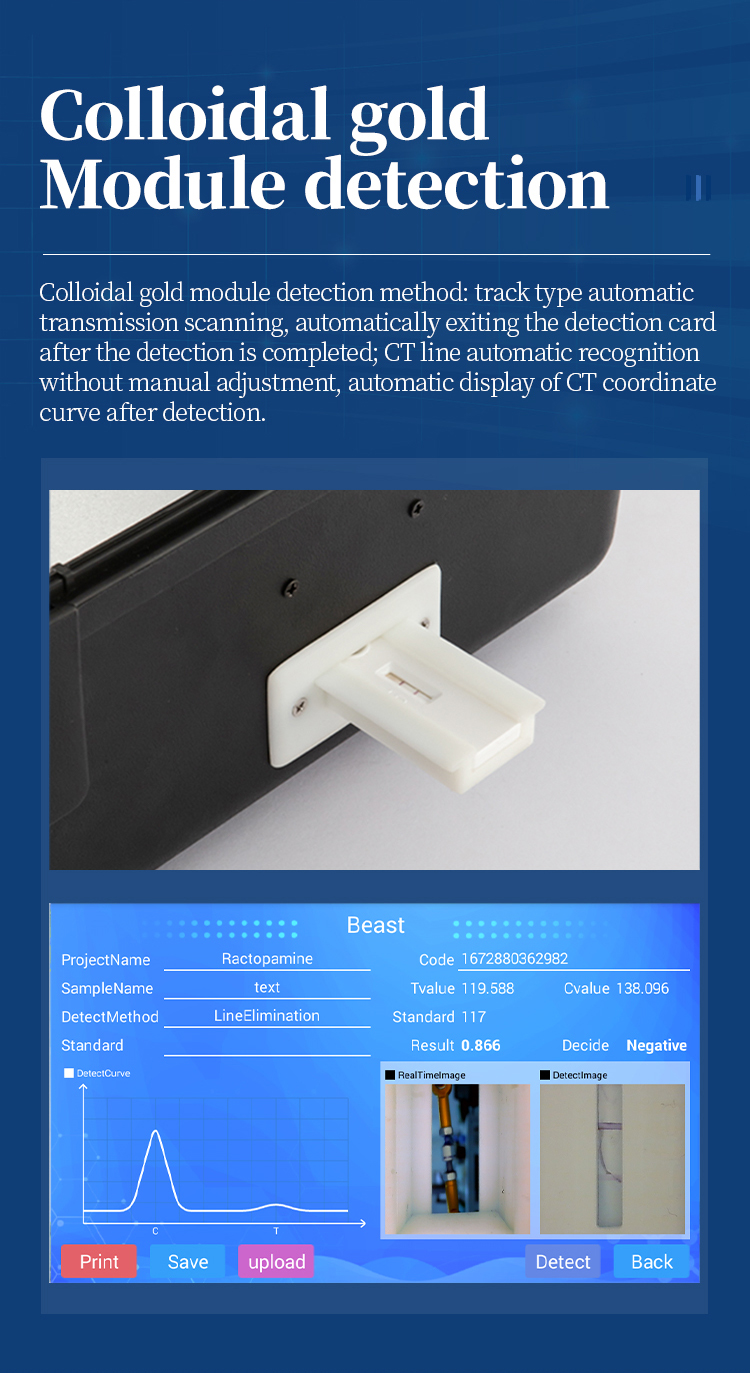
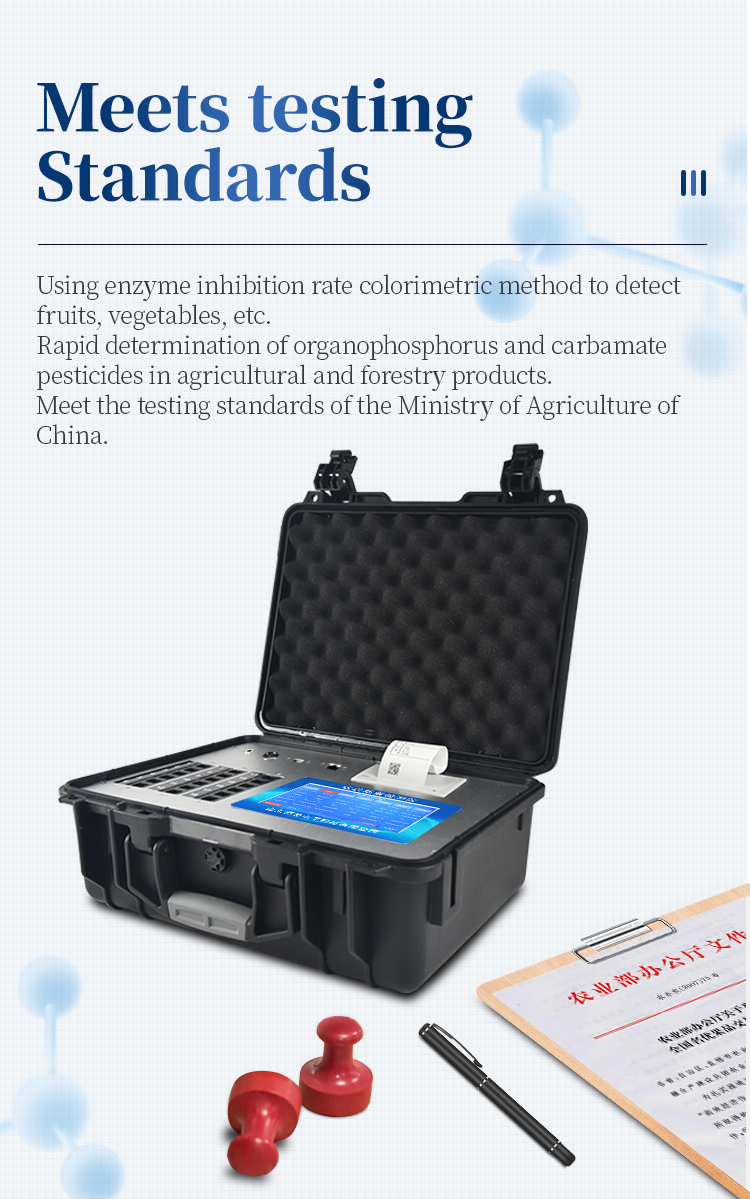
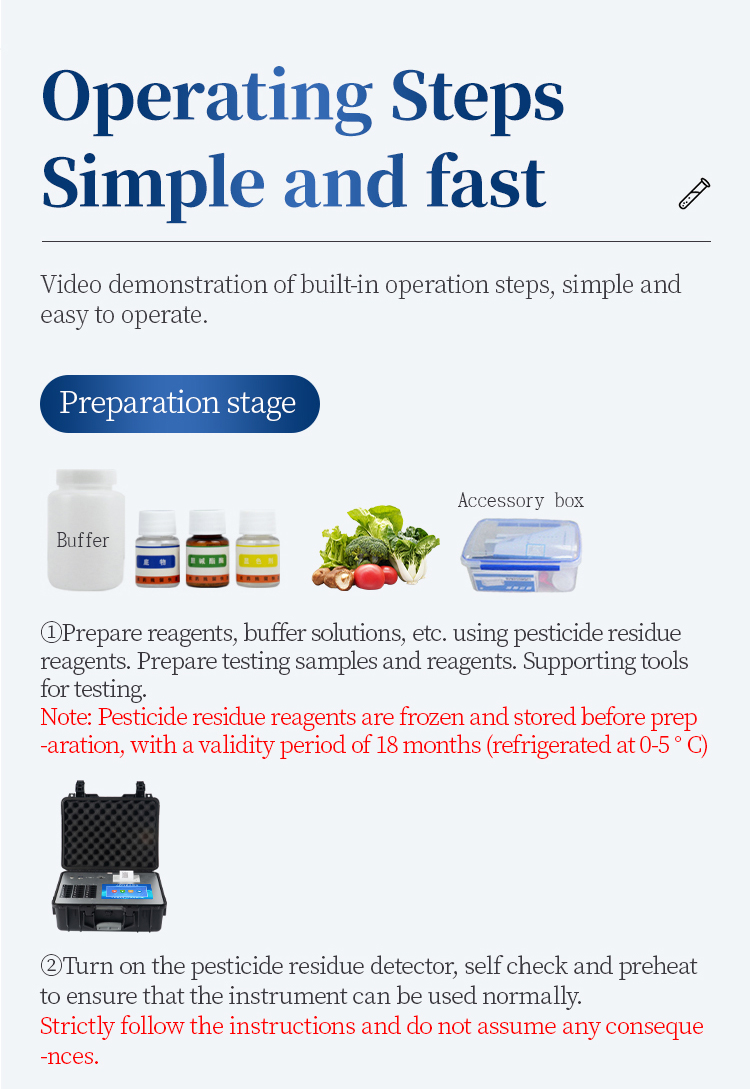
The HM-NY12P directly addresses this operational reality. Its 12 independent detection channels—operated through a 7-inch color touchscreen—provide sufficient parallel processing capacity for typical cooperative and county inspection sample volumes, without the higher instrument cost of 24-channel systems. The dual-method architecture integrates enzyme inhibition rate colorimetry at 412 nm (GB/T5009.199-2003) for broad-spectrum organophosphate and carbamate screening with colloidal gold immunochromatography for targeted identification of specific pesticide compounds. This means a single instrument serves both as a routine daily screening tool and a targeted investigation tool when specific pesticide concerns arise. Powered by the ARM Cortex-A7 RK3288 processor, the HM-NY12P stores 200,000 test records and supports USB data export, providing documentation for quality management system integration. For practical guidance on establishing a pesticide testing program in resource-constrained settings, refer to our guide to building cost-effective pesticide residue monitoring workflows.
Applications
- Agricultural producer cooperatives: Cooperatives establish a centralized testing point at the collection facility, screening representative samples from each delivery before commingling to protect the cooperative's market reputation.
- County-level agricultural product quality monitoring stations: Government-operated stations deploy the HM-NY12P for routine surveillance across farmers' markets, wholesale points, and retail outlets within their jurisdiction.
- Small-to-medium food processing plants: Manufacturers of processed agricultural products integrate the instrument into supplier quality verification, testing incoming raw materials before production.
- Township and village-level food safety rapid testing rooms: Grassroots food safety offices operate the instrument as their primary pesticide screening tool, providing accessible testing services to local residents and vendors.
- Agricultural extension service field offices: Extension stations use the instrument for pre-harvest advisory testing, helping growers verify post-application waiting periods before crops are marketed.
- Organic and green food certification inspection bodies: Certification organizations use the HM-NY12P for on-site verification testing during farm audits, complementing laboratory analysis of collected samples.
- Community and institutional procurement centers: Centralized purchasing offices serving school districts or government canteens establish incoming produce screening as standard operating procedure.
Key Features & Advantages
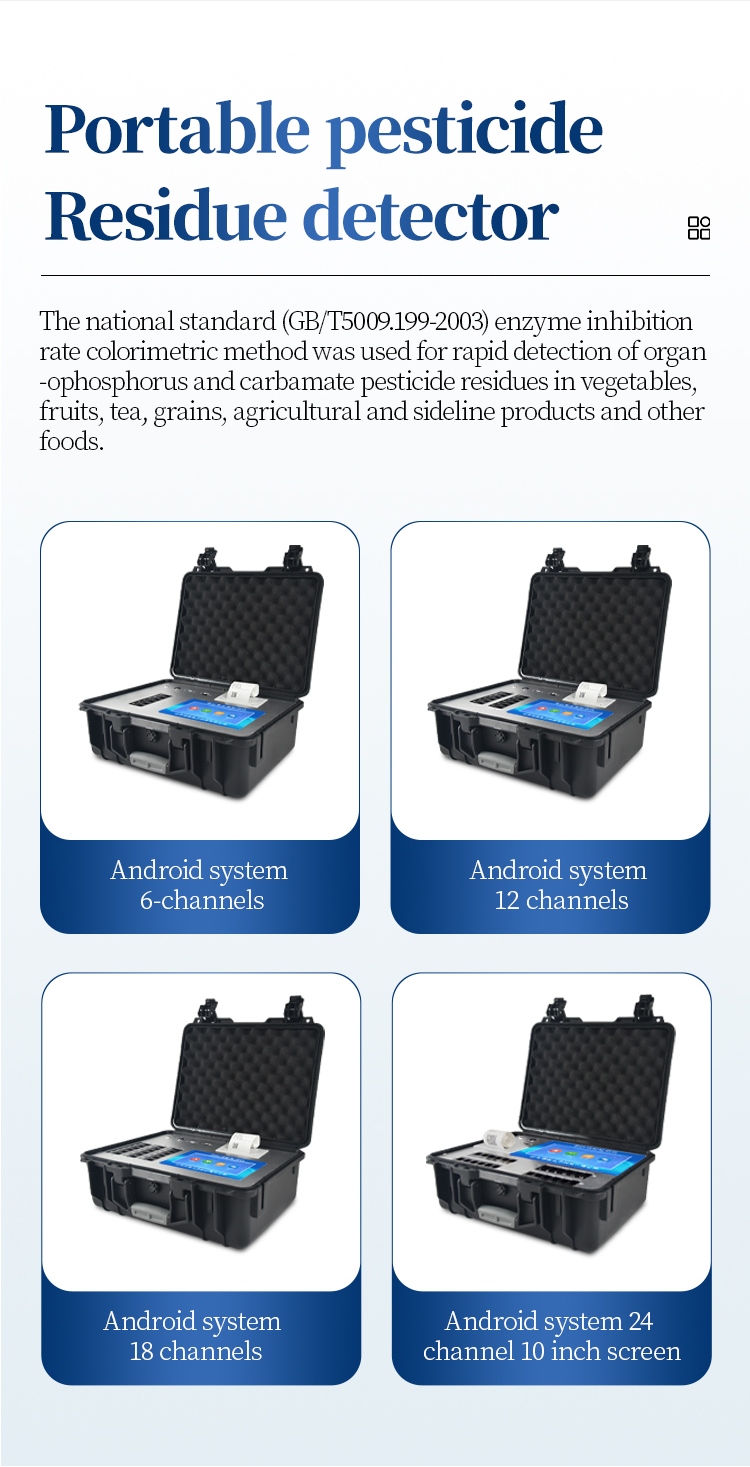
- Twelve independent detection channels providing practical parallel processing matched to daily volumes of cooperative collection points and county stations—typically 50–150 samples per day
- Integrated dual detection methods: enzyme inhibition colorimetry at 412 nm for broad-spectrum screening plus colloidal gold immunochromatography for targeted identification on one compact platform
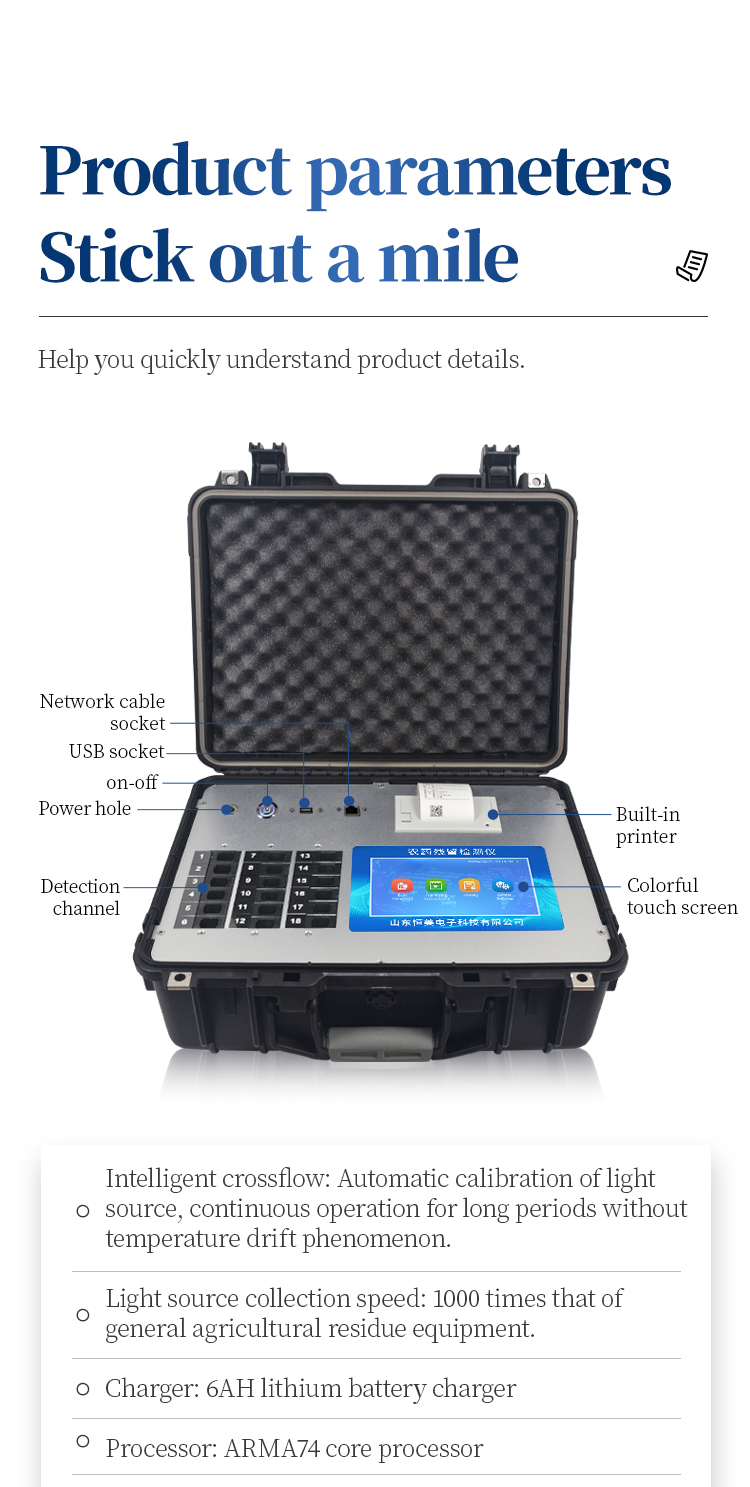
- 7-inch TFT-LCD color touchscreen with 1024 × 600 resolution, delivering clear visualization and an intuitive interface suitable for operators with varying technical backgrounds
- ARM Cortex-A7 RK3288 quad-core processor at 1.88 GHz, providing the processing capability for multi-channel data acquisition without the cost of higher-tier computing architectures
- Pesticide compound coverage exceeding 60 specific varieties with configurable threshold settings to align with national and local regulatory standards
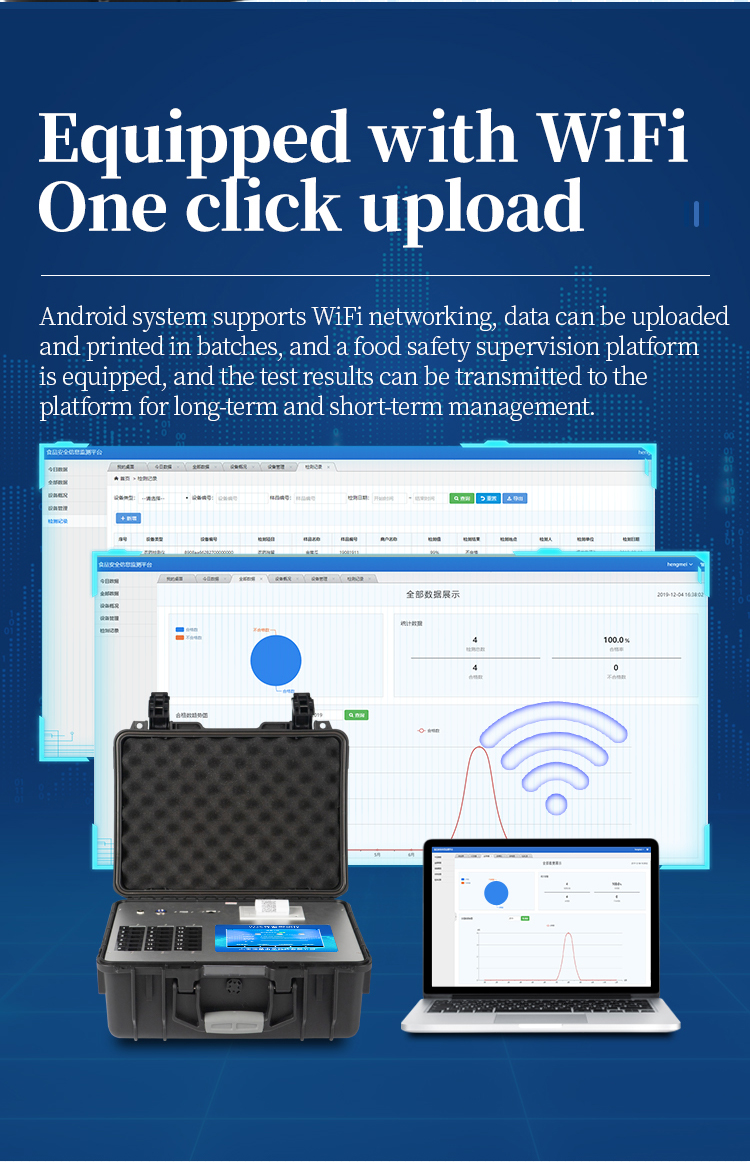
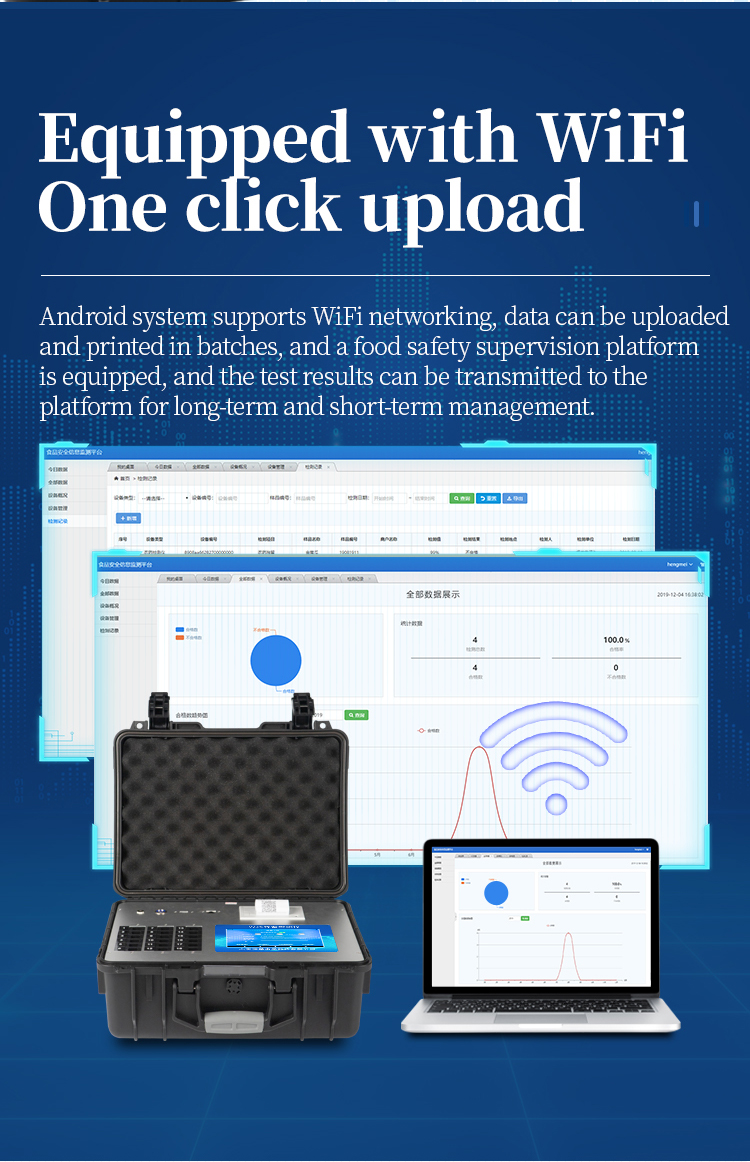
- Onboard data storage for 200,000 test records with automatic date/time stamping and sample ID indexing for traceability documentation without external database software
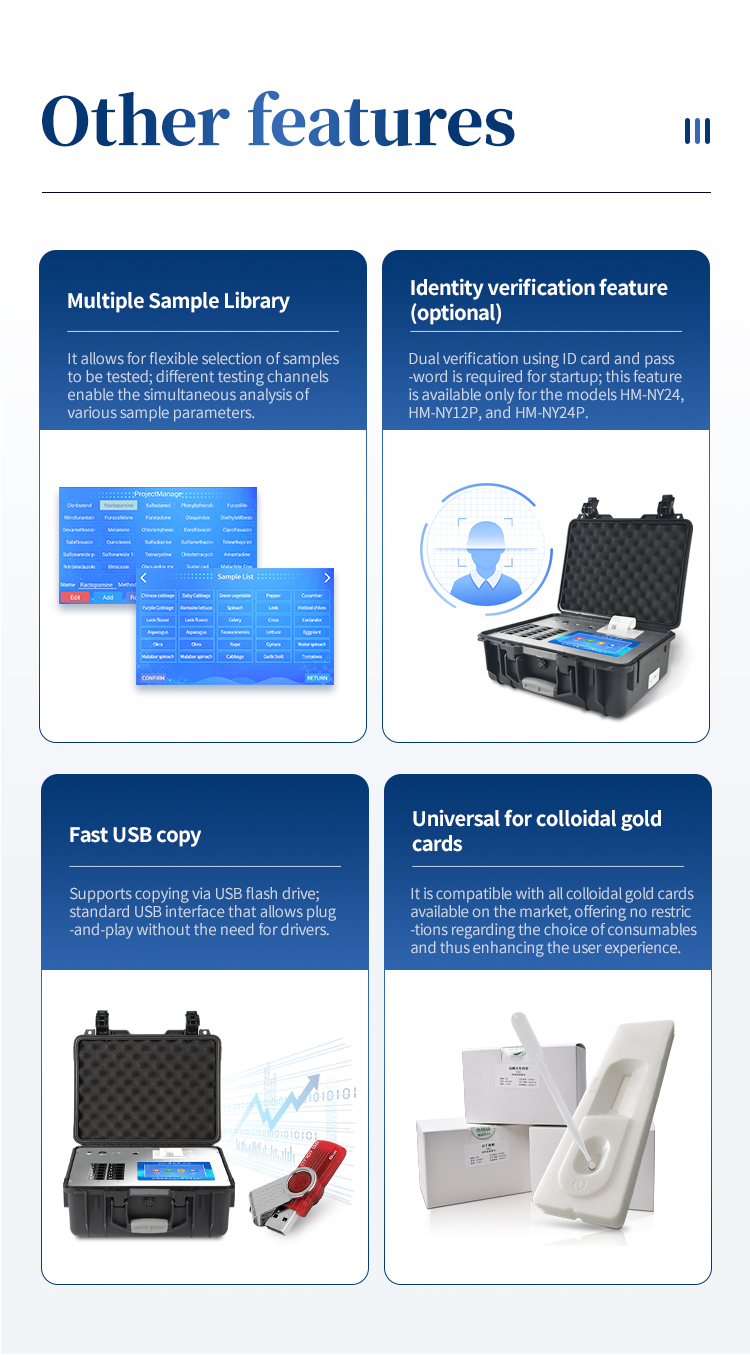
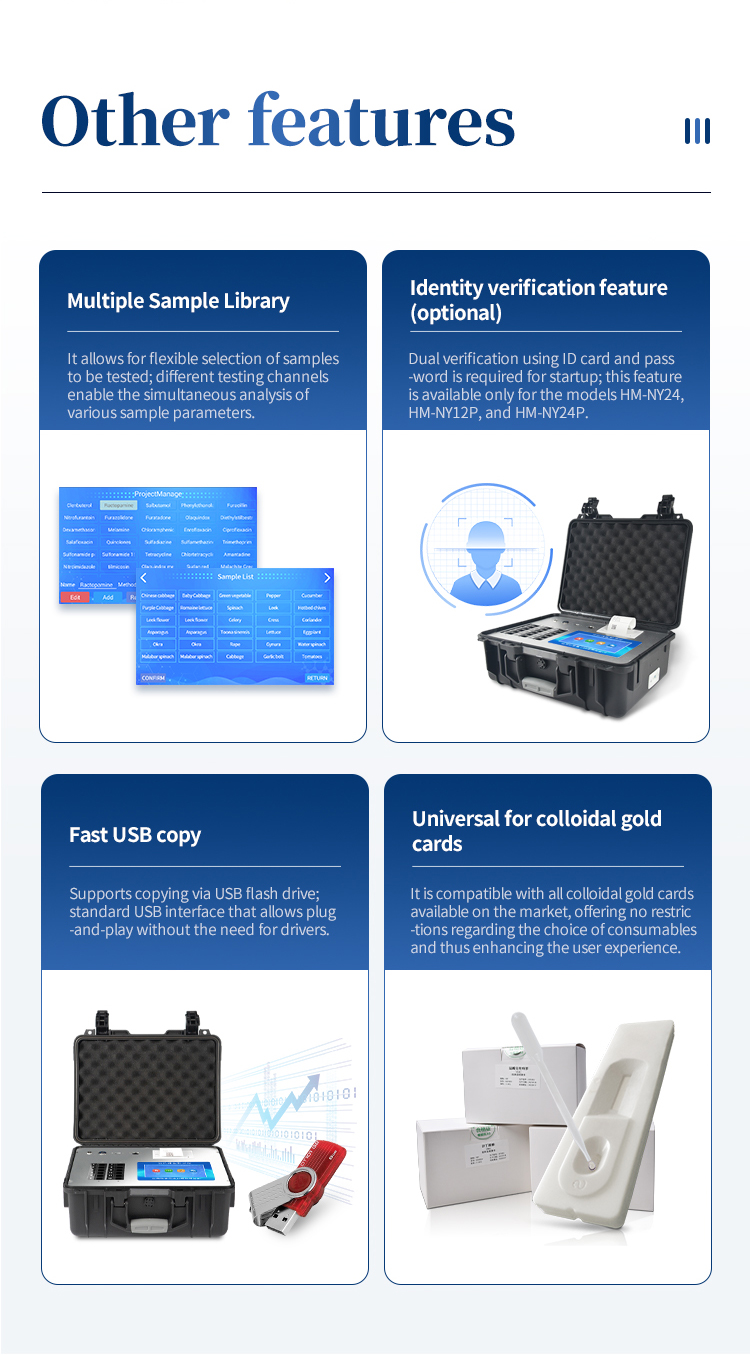
- USB 2.0 data export supporting direct transfer to flash drives in standard formats, enabling record offloading on any office computer without specialized software
- Built-in 6 Ah rechargeable lithium battery delivering approximately 6 hours of cordless operation for field deployment at remote collection points and farm visits
- Dual power supply compatibility with AC mains and battery power for deployment flexibility between office and field inspection sites
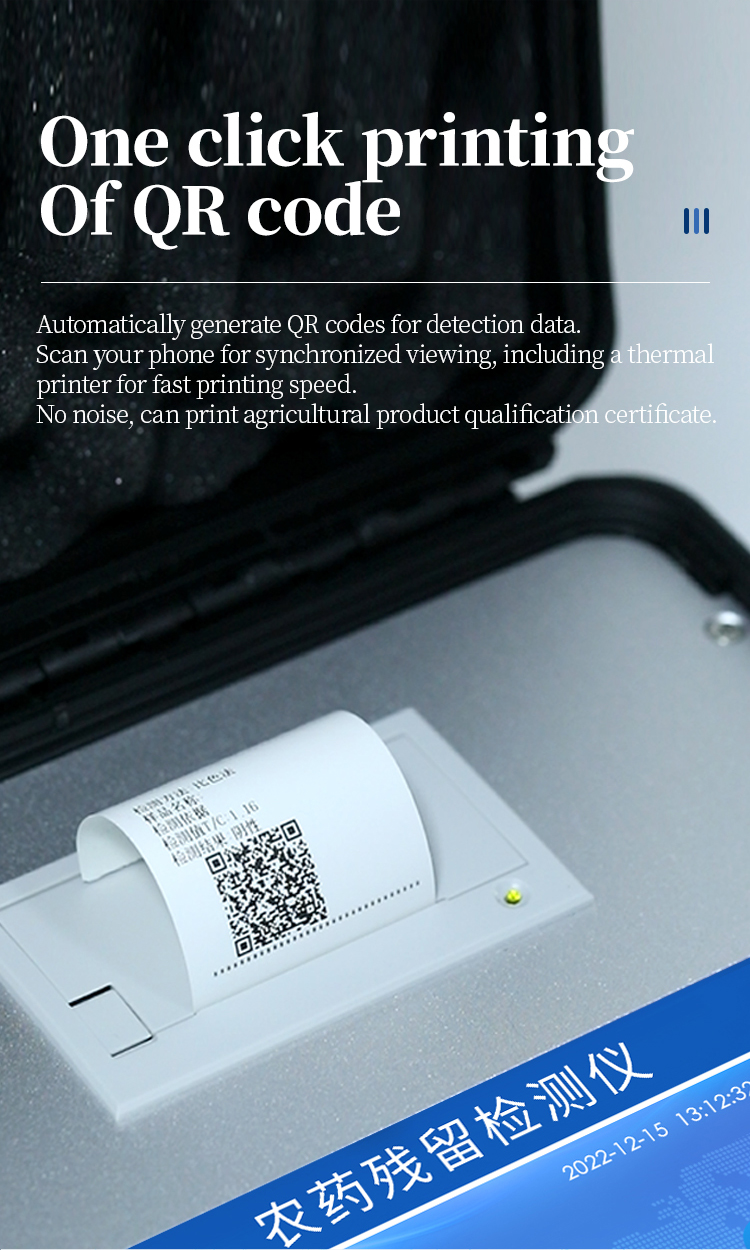
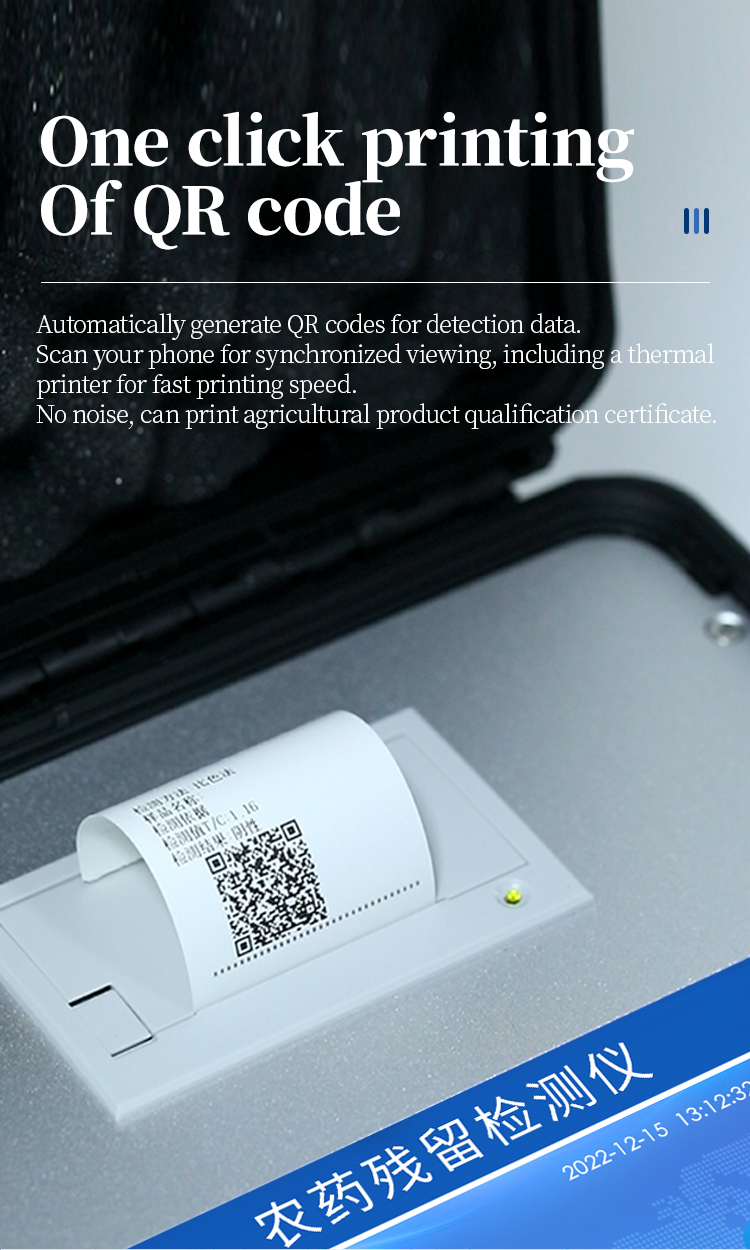
- Built-in 58 mm thermal printer for immediate hard-copy report generation provided to farmers, suppliers, or regulatory inspectors on the spot
- Compact dimensions of 43 × 35 × 19 cm with integrated carrying handle and 5.2 kg net weight for practical transportability between inspection locations
- Chinese and English bilingual interface with one-tap switching, accommodating local-language operation and English-language documentation for international contexts
- Automatic self-check and optical calibration upon startup, reducing the technical skill required for maintenance and ensuring consistency across operators
Technical Specifications
| Parameter | Specification |
|---|---|
| Detection Method 1 | Enzyme inhibition rate colorimetry (acetylcholinesterase) |
| Detection Method 2 | Colloidal gold immunochromatography |
| Number of Channels | 12 independent detection channels |
| Display Type | 7-inch TFT-LCD color touchscreen |
| Display Resolution | 1024 × 600 pixels |
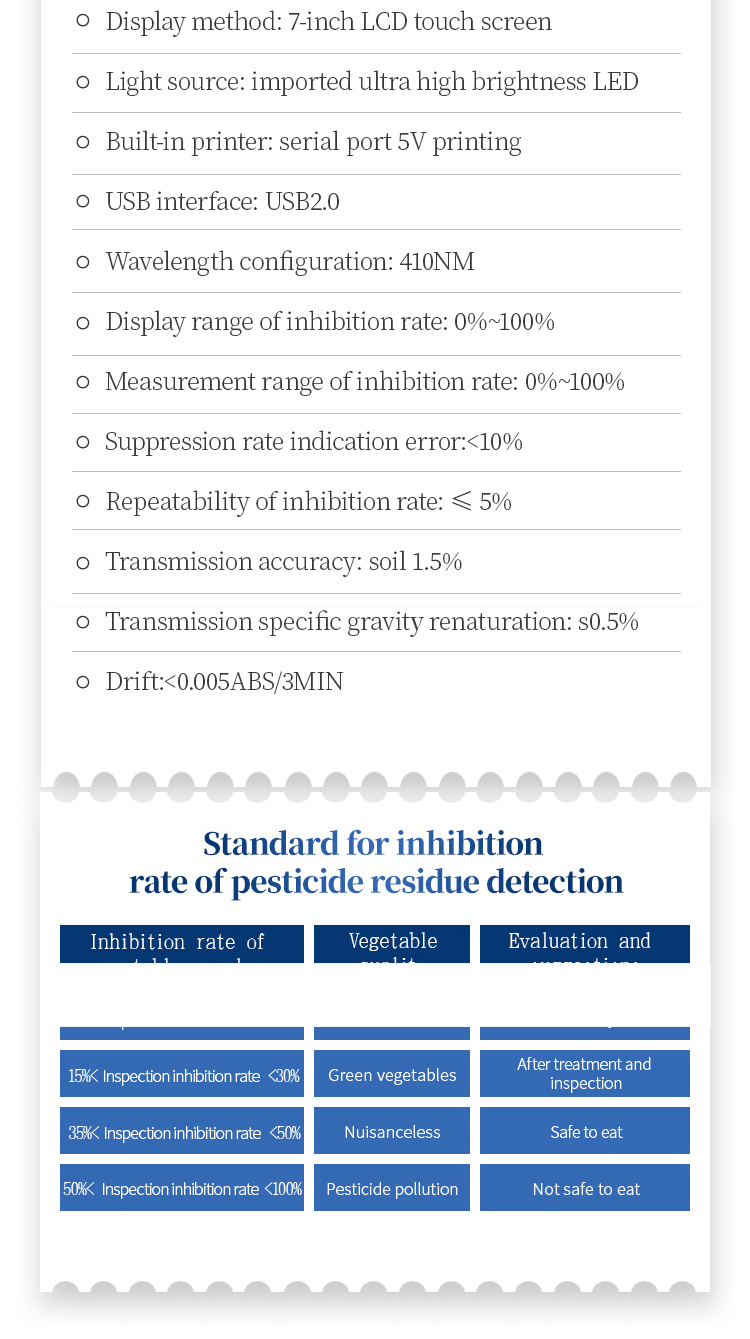
| Enzyme Inhibition Wavelength | 412 nm |
| Applicable Standard | GB/T5009.199-2003 |
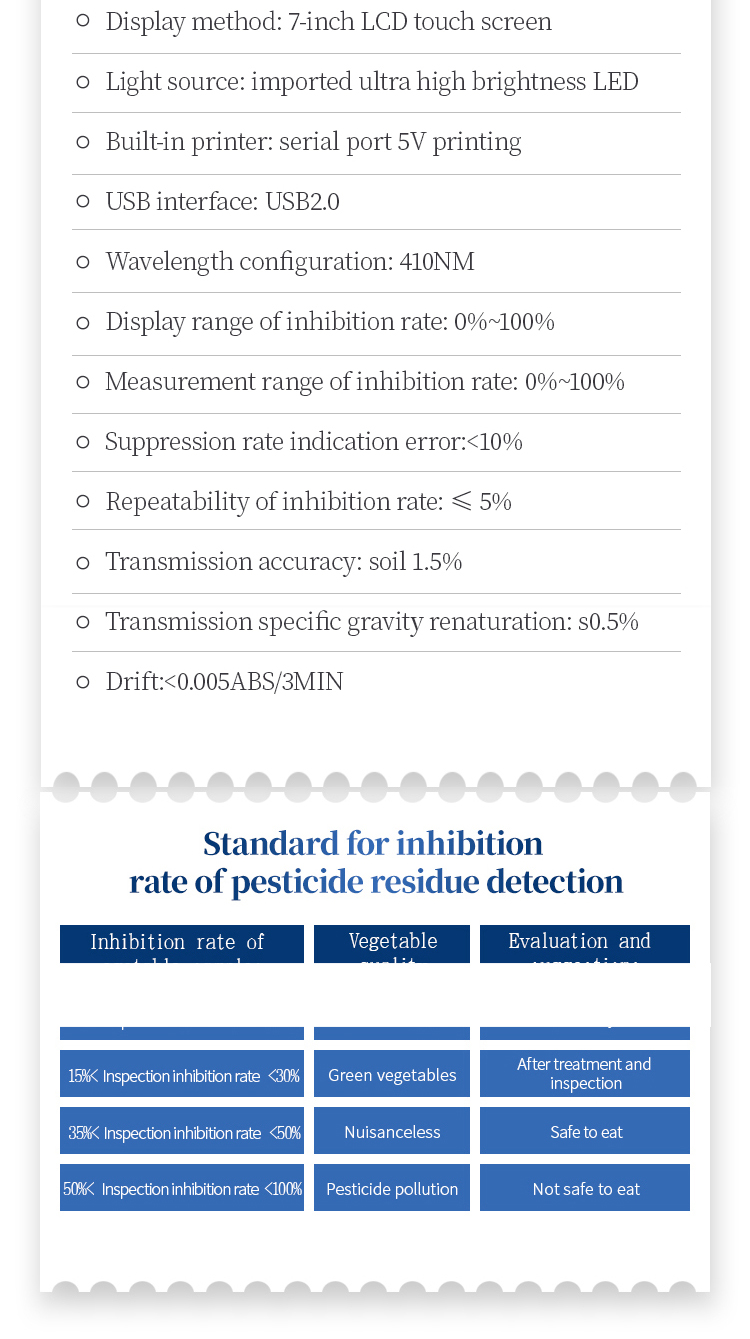
| Inhibition Rate Range | 0.0% – 100.0% |
| Transmittance Accuracy | ±1.5% |
| Colloidal Gold Detection | Automatic card image acquisition and quantitative result interpretation |
| Detectable Pesticide Compounds | 60+ specific pesticide varieties |
| Processor | ARM Cortex-A7 RK3288 quad-core, 1.88 GHz |
| Data Storage Capacity | 200,000 test records |
| Data Export | USB 2.0 (supports external flash drive) |
| Battery | Built-in 6 Ah rechargeable lithium battery |
| Battery Runtime | Approximately 6 hours continuous field operation |
| Power Supply Modes | AC 100–240V 50/60Hz / DC / battery |
| Printer | Built-in 58 mm thermal printer |
| Dimensions (L × W × H) | 43 × 35 × 19 cm |
| Net Weight | 5.2 kg |
| Packaged Weight | 8.3 kg |
| Operating Temperature | 5 ℃ to 40 ℃ |
| Operating Humidity | 15% to 80% RH (non-condensing) |
| Language Support | Chinese, English |
FAQ
A: External GC-MS laboratory testing typically costs $30–80 per sample with 2–5 day turnaround. A cooperative screening 60 samples per week would spend $1,800–$4,800 weekly on external testing. In contrast, HM-NY12P enzyme inhibition consumables cost $0.50–$1.00 per test, with colloidal gold strips adding $2–$5 when targeted testing is needed. At 60 samples daily with enzyme inhibition and 10% receiving colloidal gold follow-up, monthly consumables range from $900 to $2,700. The instrument's capital cost is typically recovered within 2–4 months at these volumes. Beyond cost, in-house testing provides same-day results enabling immediate decisions, the ability to test more samples increases statistical confidence, and documented testing history strengthens negotiating positions with wholesale buyers increasingly demanding proof of pesticide monitoring.
A: A single enzyme inhibition test cycle requires approximately 35 minutes. A single-channel instrument produces one result per cycle, yielding 12–14 results in an 8-hour day including preparation and documentation. A 12-channel instrument processes a batch of 12 samples in the same 35-minute cycle, producing 144–168 results per day—a twelvefold throughput increase. For a cooperative screening 60–80 samples daily, the HM-NY12P completes this workload in 3–4 batch cycles (about 2.5–3 hours), leaving substantial capacity for confirmatory re-testing of borderline samples, colloidal gold targeted analysis, and comprehensive documentation. This efficiency margin is operationally significant: it allows the operator to also manage sample reception, communicate results to farmers, and maintain the testing log—activities essential to a functioning quality program that are often neglected when instrument throughput barely keeps pace with sample inflow.
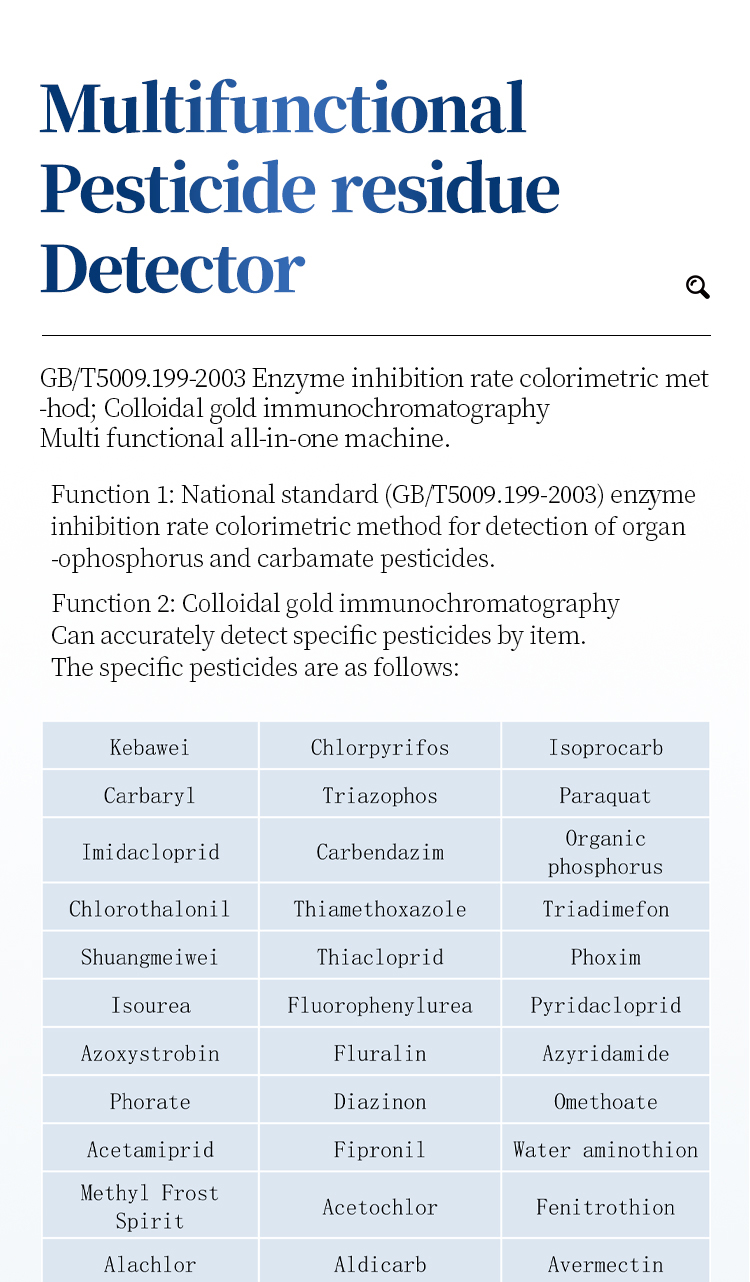
A: The HM-NY12P detects through two mechanisms. Enzyme inhibition covers organophosphate and carbamate insecticides as a class—including chlorpyrifos, parathion, malathion, dimethoate, profenofos, phorate, dichlorvos, methamidophos, carbofuran, carbaryl, and methomyl—providing composite toxicity readings. The colloidal gold module extends to over 60 specific varieties through antibody-based recognition, with test strips available for organophosphates, carbamates, neonicotinoids (imidacloprid, acetamiprid), pyrethroids, organochlorines, and certain fungicides. For comparison, a full-scan GC-MS/MS or LC-MS/MS method in a reference laboratory can simultaneously detect 200–400 compounds at parts-per-billion sensitivity. The HM-NY12P is positioned as a practical screening instrument that identifies samples warranting more detailed analysis while providing sufficient compound-specific information for routine quality decisions.
A: Under ISO 9001:2015, the instrument is addressed in clause 7.1.5 (monitoring and measuring resources), requiring inclusion in calibration and maintenance schedules. Under HACCP, pesticide screening at raw material receipt can be designated as a critical control point if hazard analysis identifies residues as a significant risk. The HM-NY12P supports QMS integration through automatic record-keeping: every test event logs sample ID, date/time, operator, numerical result, and pass/fail determination. USB export allows records to transfer to the organization's document management system. SOPs should address sampling frequency, acceptance criteria, actions for exceeding thresholds, calibration verification frequency, and record retention.
A: The HM-NY12P was designed for operators without formal laboratory backgrounds. The built-in voice guidance system provides step-by-step audio instructions through each testing stage. A structured training program spans two to three days: Day one covers pesticide testing principles, screening versus confirmatory methods, and result interpretation. Day two focuses on hands-on operation including startup, sample preparation, running complete test batches, and report generation. Day three addresses reagent handling, QC sample testing, data export, basic troubleshooting, and maintenance. Most operators achieve proficiency after processing 30-50 supervised samples across diverse commodity types. Annual refresher training and blinded proficiency testing are recommended.
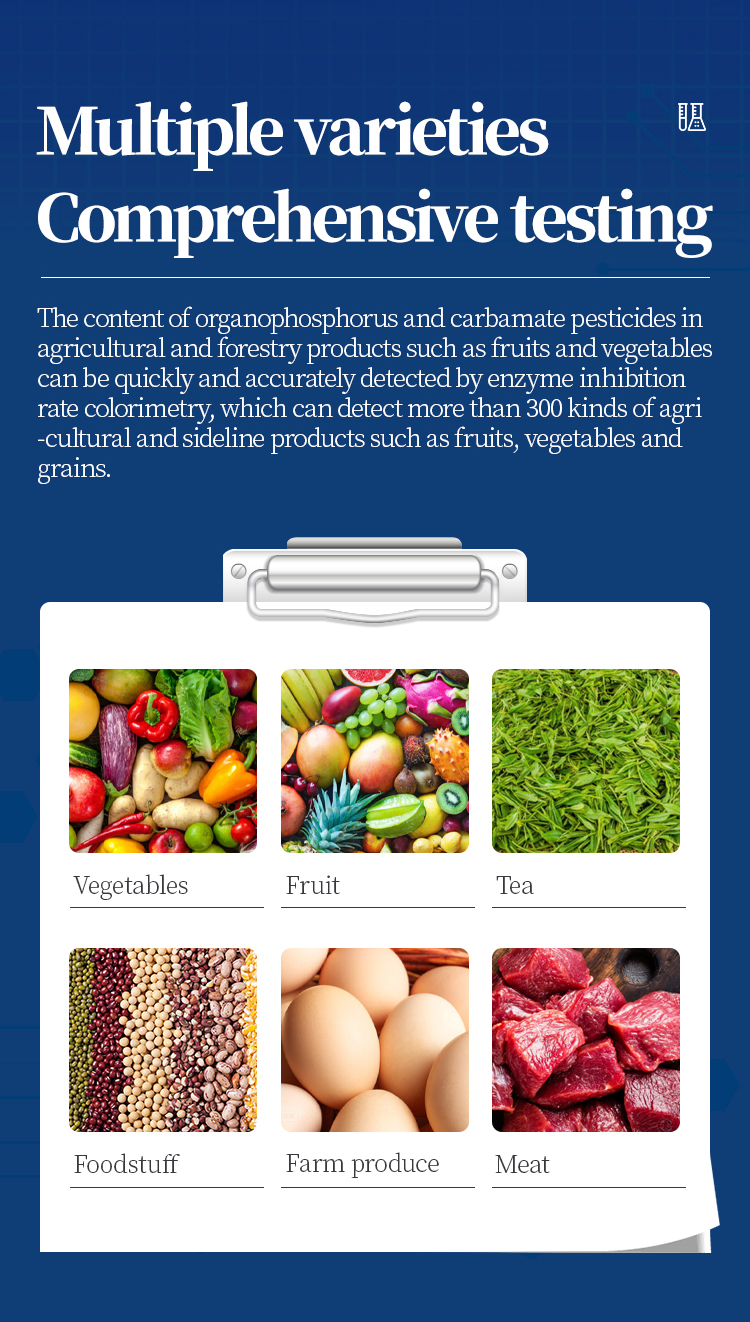
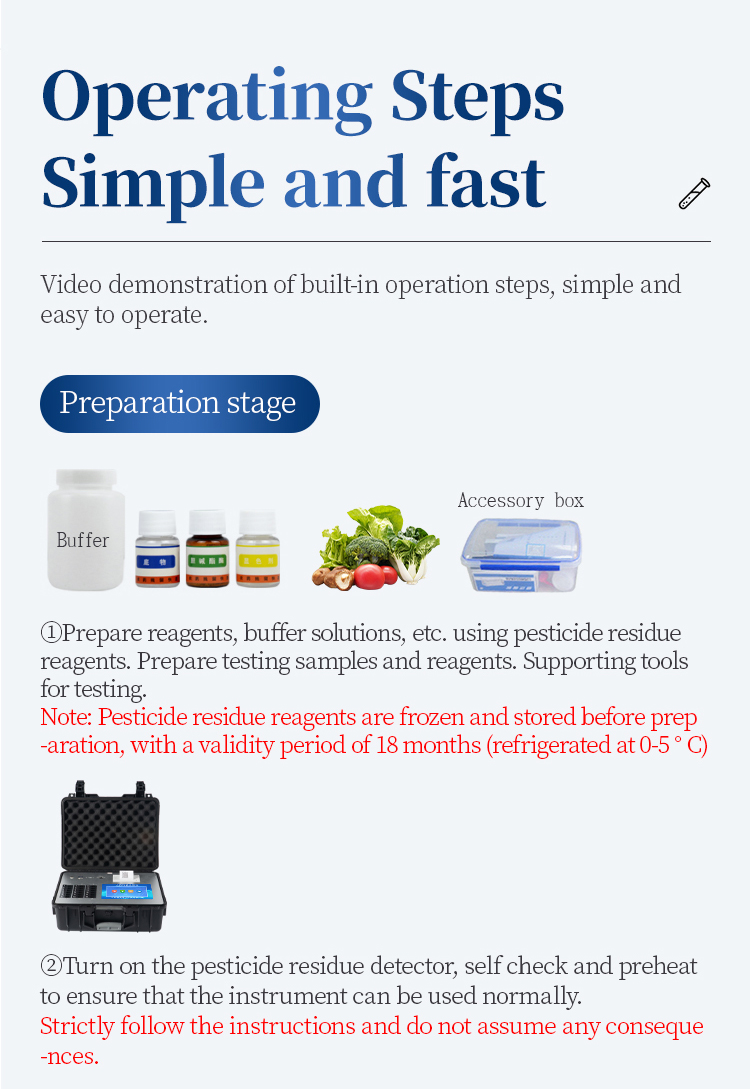
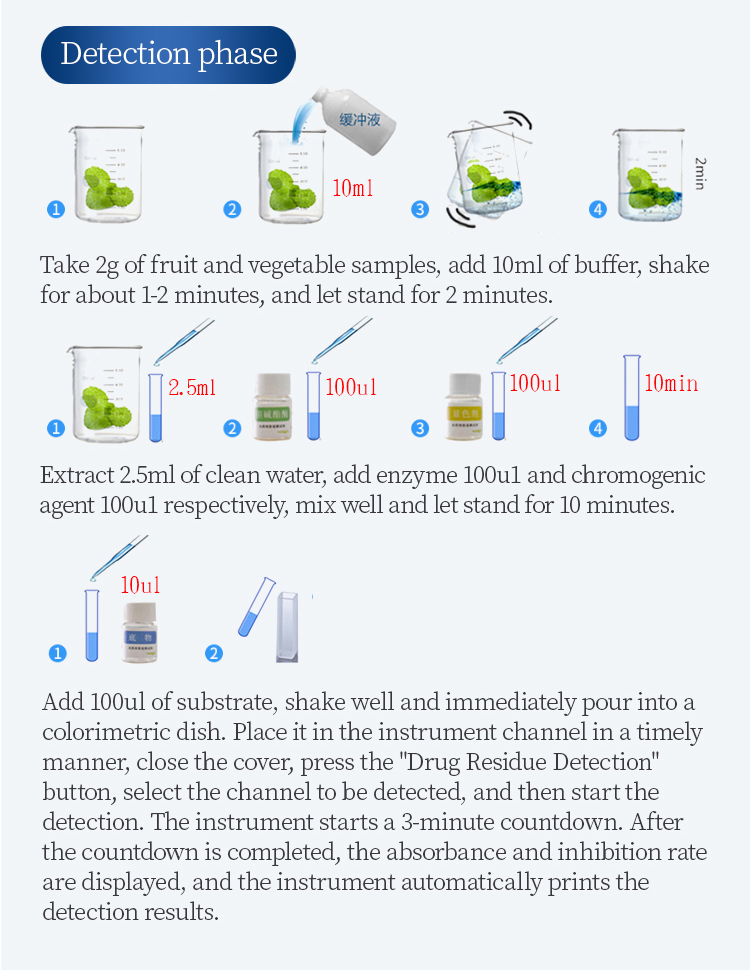
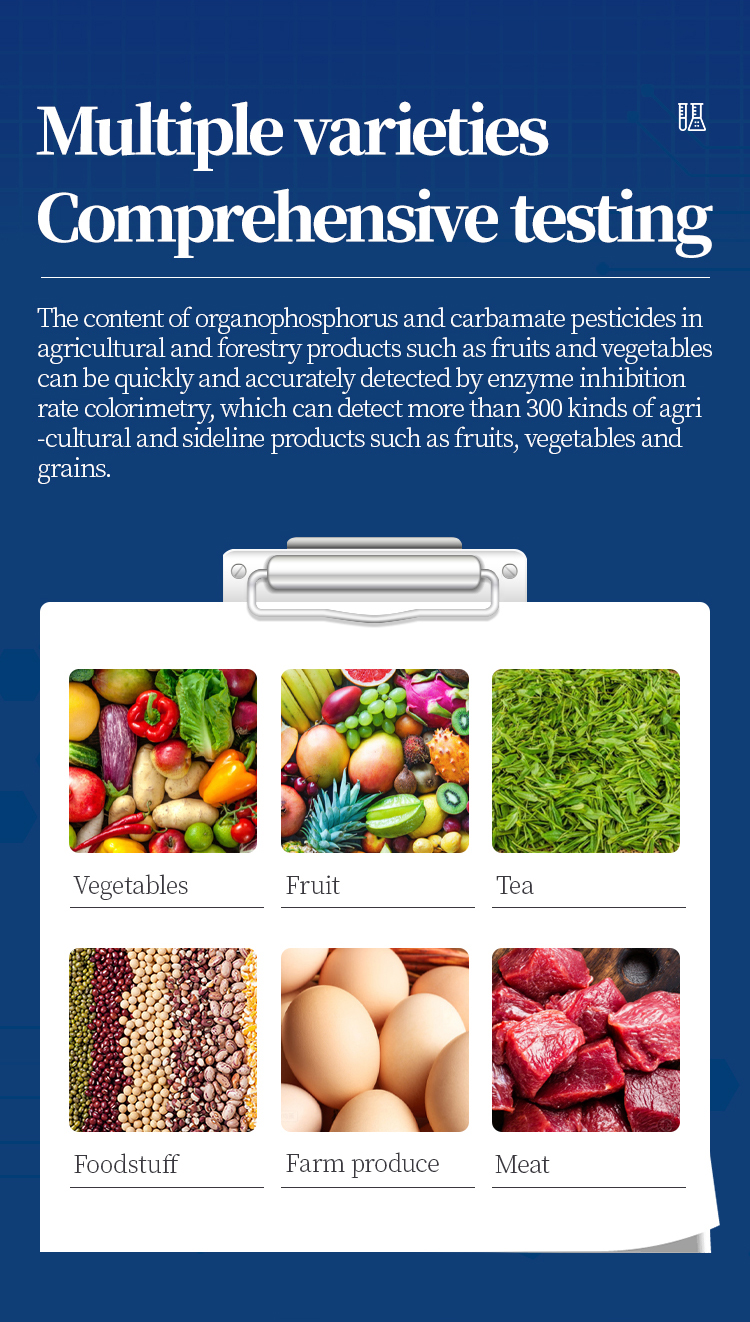
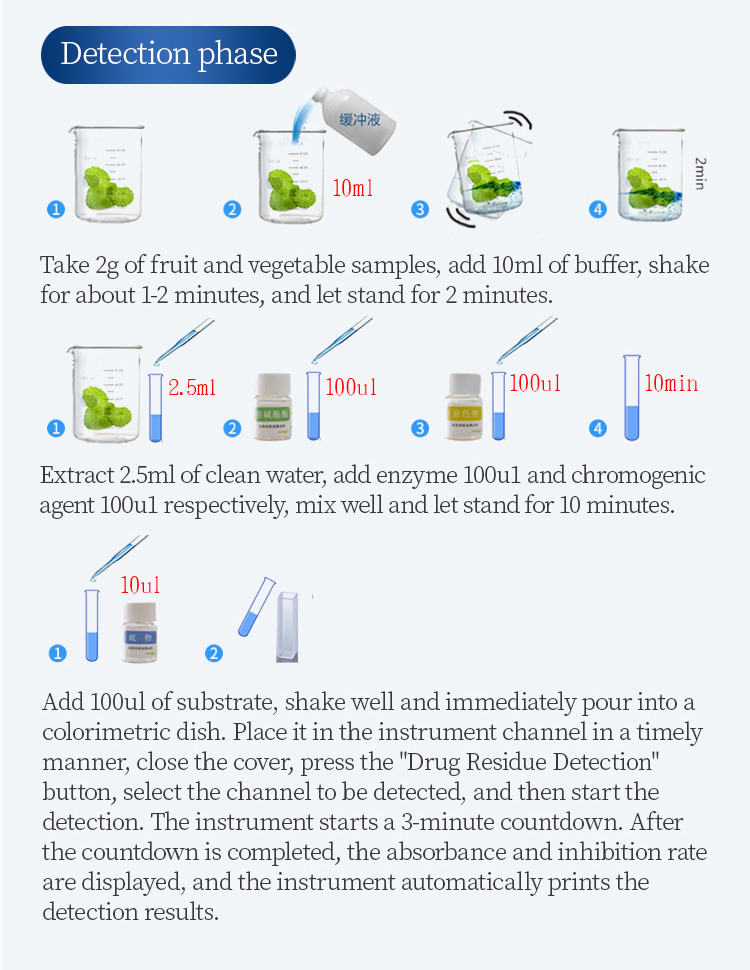
A: Different commodities require distinct preparation. For leafy vegetables (spinach, lettuce, cabbage), use surface washing: approximately 5 grams of leaf pieces in extraction buffer with gentle agitation for 2-3 minutes, releasing surface residues without extracting interfering chlorophyll. For fruit vegetables (tomatoes, cucumbers, peppers), cut skin into small pieces and extract with buffer for 3-5 minutes. For root/tuber vegetables (potatoes, carrots), peel and use peel tissue since residues concentrate in outer layers. For fruits (apples, pears, grapes), take peel slices from multiple points. Samples should represent the entire lot with portions from multiple items. The self-heating incubation module ensures consistent enzymatic reaction temperature regardless of sample type or ambient conditions.
Article address:https://www.hmfoodtesting.com/nycl2/agricultural-cooperative-pesticide-tester.html