 Current
location:
Current
location: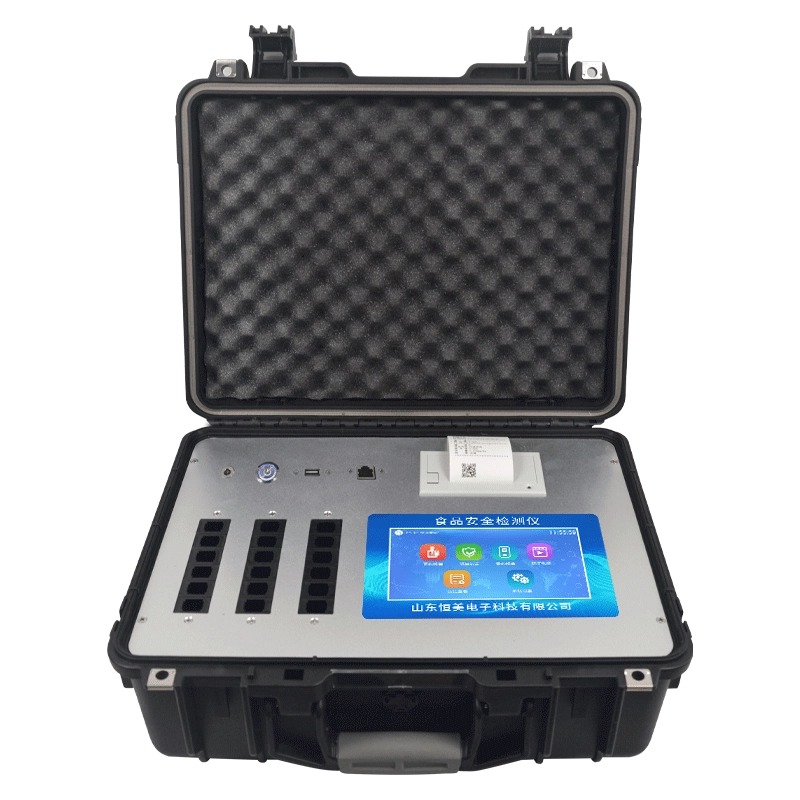
 +86
17853698681
+86
17853698681

Product Introduction
Central food testing laboratories—whether operated by provincial centers for disease control, national food safety risk assessment institutions, large-scale food manufacturing groups, or commercial contract testing organizations—confront a throughput challenge that fundamentally shapes their operational economics and service capacity. A central laboratory serving a medium-sized Chinese prefecture may receive 300 to 800 food samples per day during peak surveillance periods, each requiring between 5 and 25 individual analytical parameters depending on the food category and regulatory monitoring program. When these analyses are distributed across multiple dedicated instruments—a pesticide residue spectrophotometer running organophosphorus and carbamate enzyme inhibition assays, a separate formaldehyde analyzer, yet another instrument for nitrite and sulfur dioxide, plus additional workstations for heavy metals, mycotoxins, and veterinary drug residues—the cumulative instrument footprint, calibration overhead, operator training burden, and per-sample consumable logistics become substantial operational cost drivers. The alternative—sending samples to multiple external laboratories—introduces coordination complexity, extends turnaround times, and fragments quality data management.
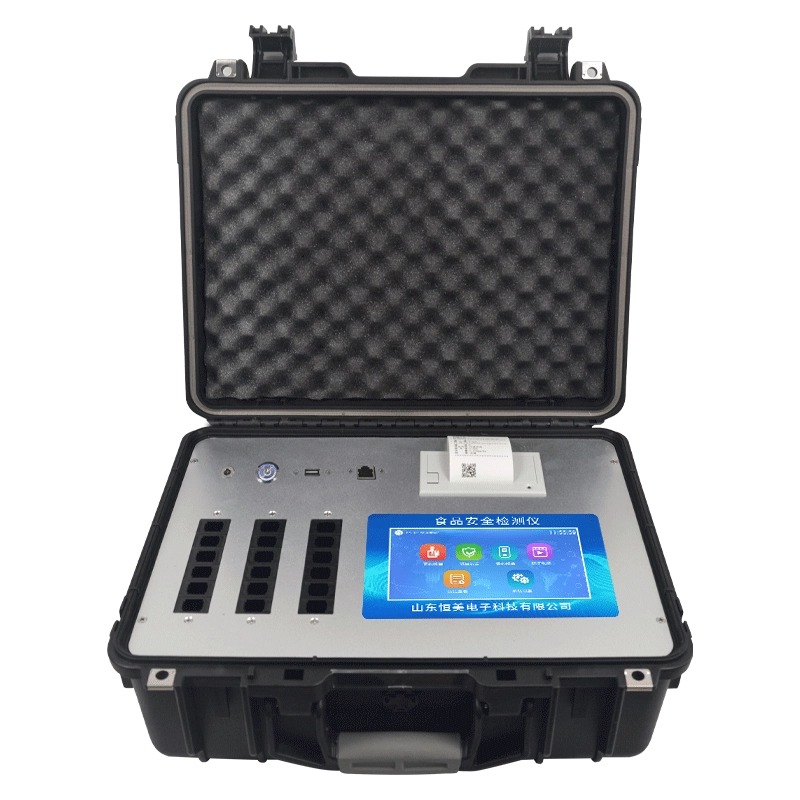
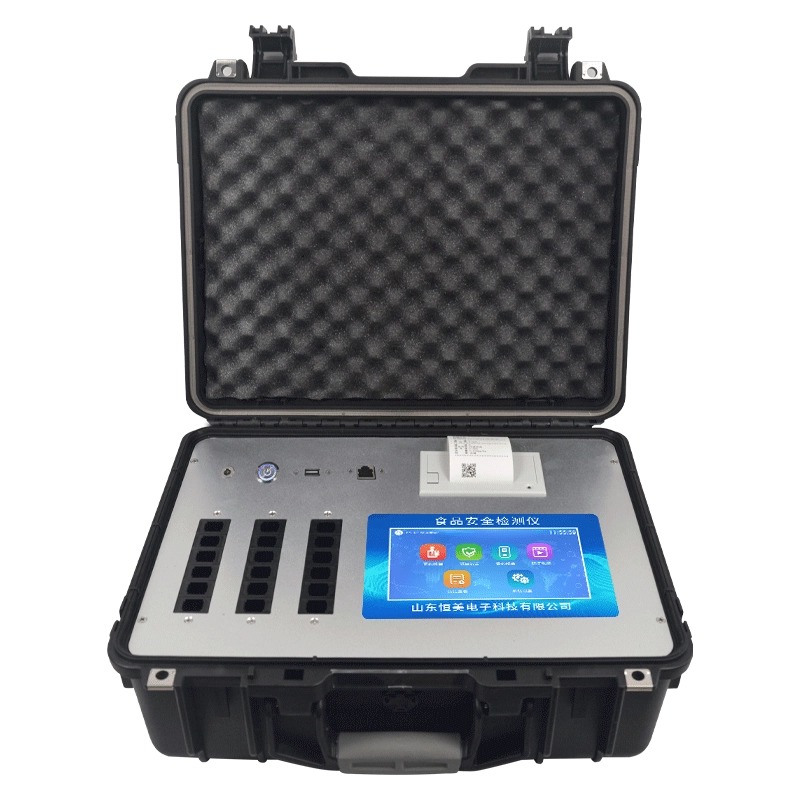
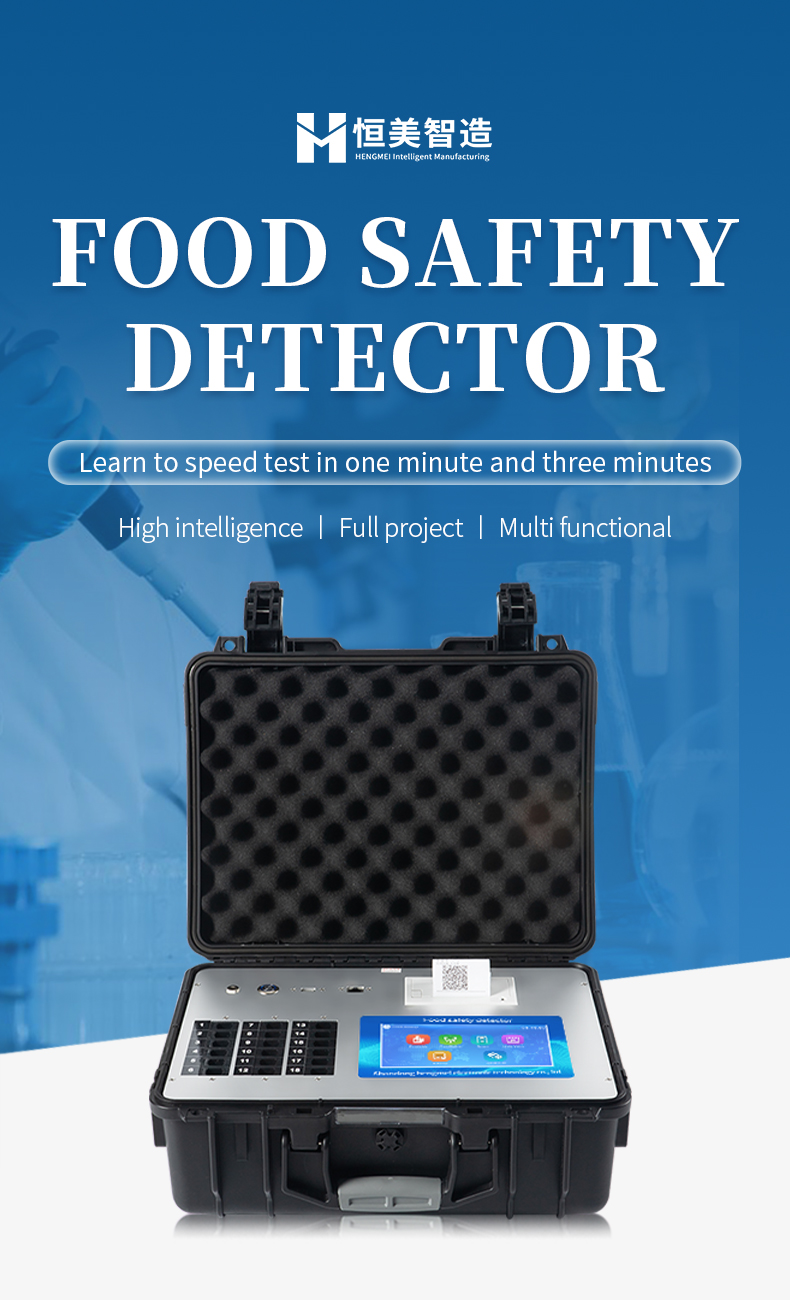
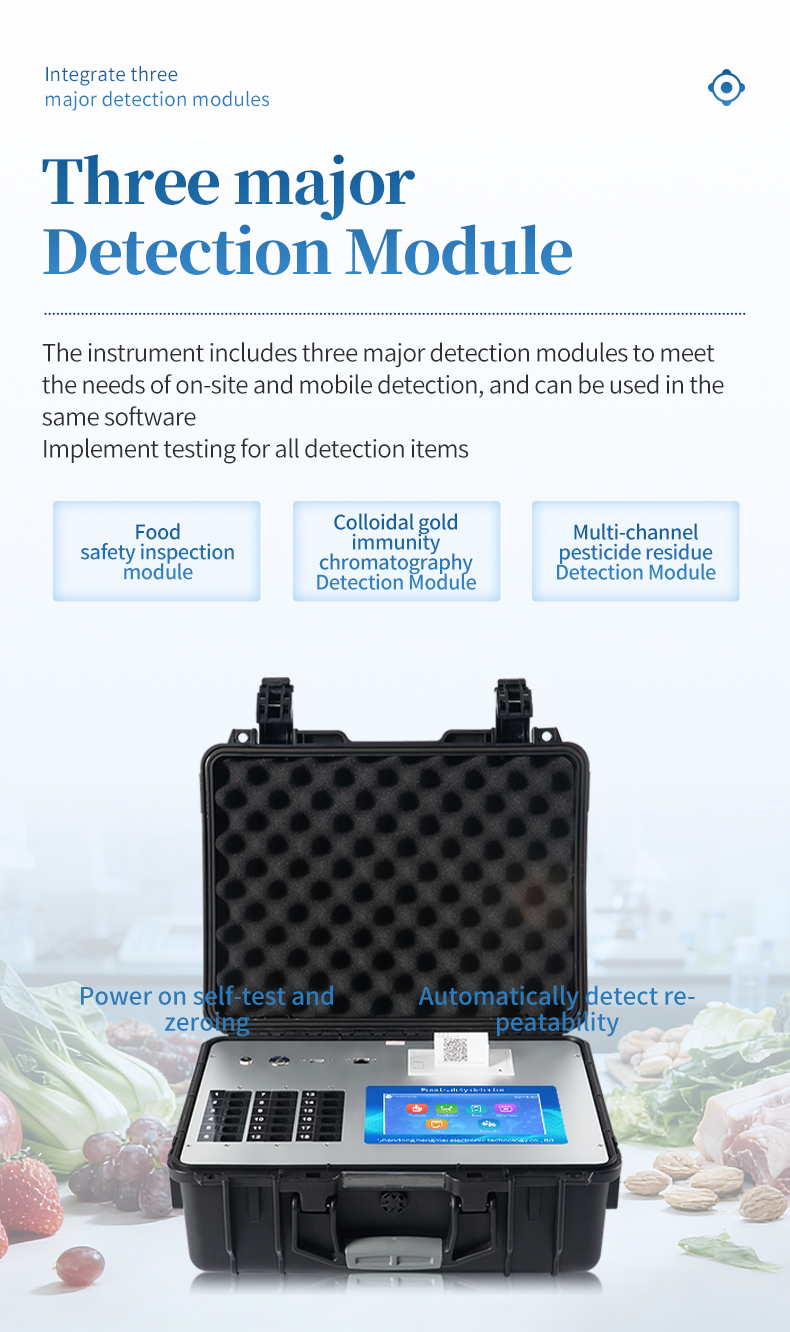
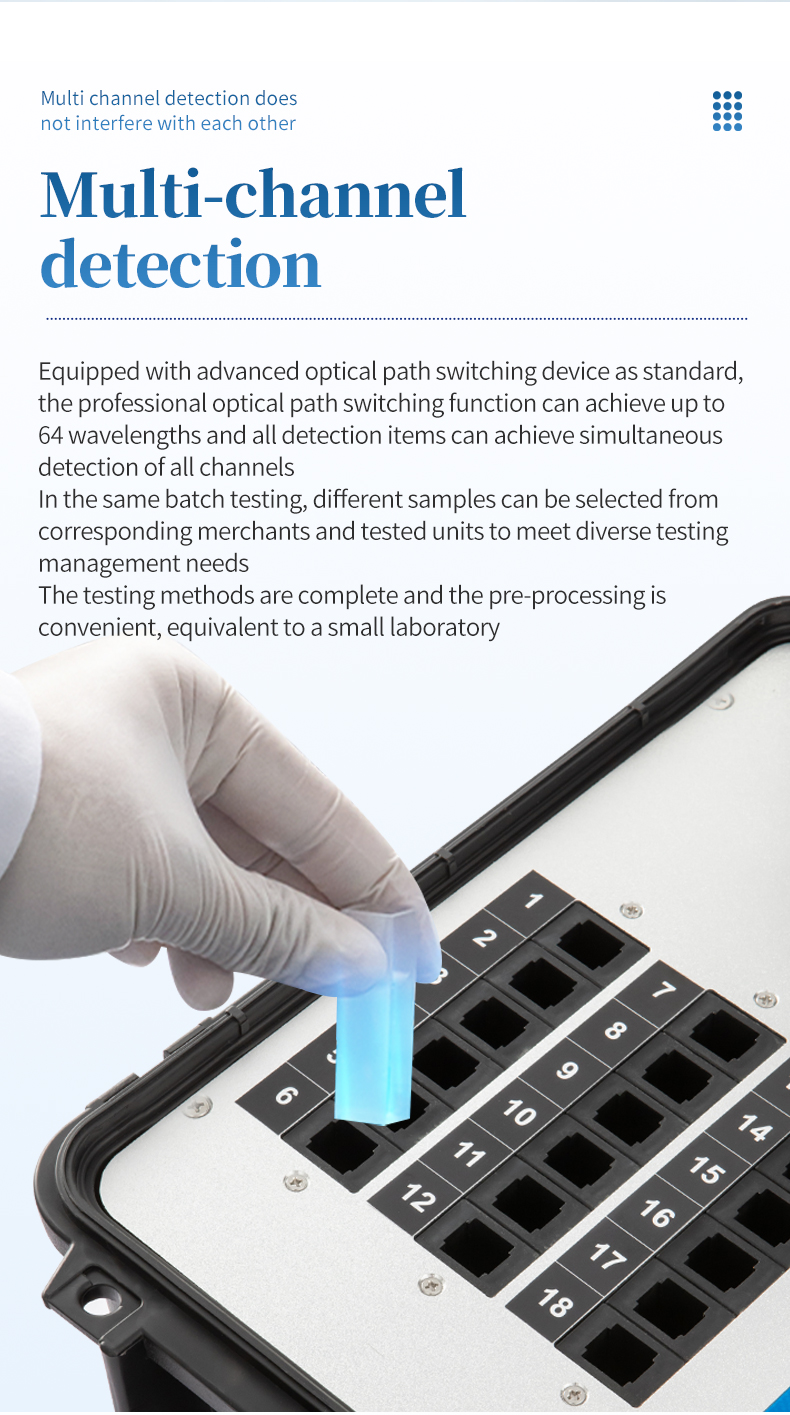
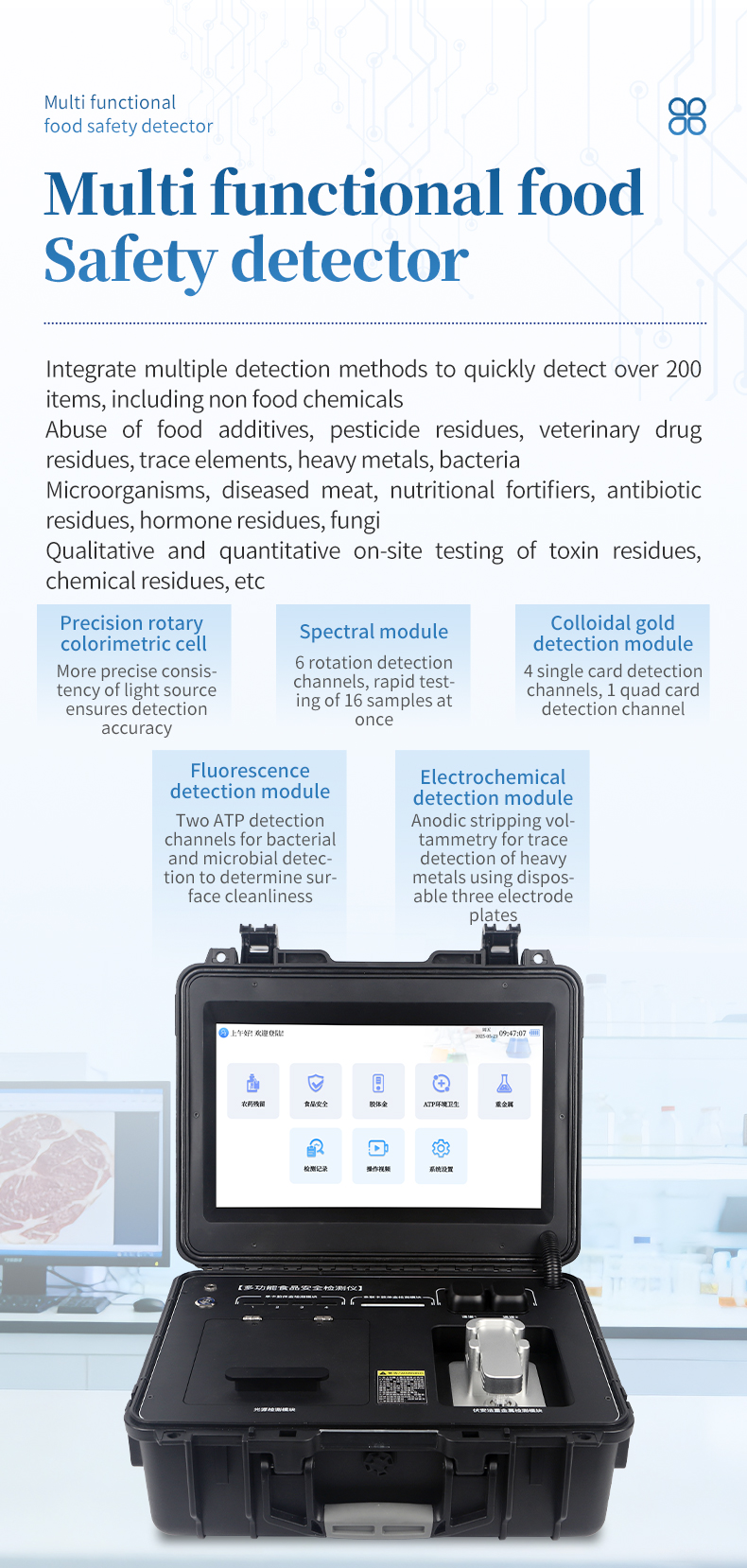
The HM-GS600 Advanced Food Safety Testing Platform, developed by HM Instruments (恒美智造), directly addresses the high-volume central laboratory paradigm by consolidating multi-parameter food safety screening onto a single instrument platform engineered for throughput. The defining architectural feature is its 24-channel detection module with true simultaneous acquisition: all 24 optical channels measure in parallel rather than sequentially, enabling a single instrument to process up to 24 samples in one analytical run. For a central laboratory operating with a typical batch size of 48 to 72 samples across multiple parameters, this simultaneous architecture means that a complete multi-parameter screening cycle—covering pesticide residues, formaldehyde, nitrite, sulfur dioxide, sodium formaldehyde sulfoxylate, protein, borax, hydrogen peroxide, nitrate, and lead across all samples—can be completed in a fraction of the time required by sequential-channel instruments. The 4-wavelength cold light source (410 nm, 520 nm, 590 nm, and 630 nm) leverages precision optical path switching to achieve up to 64 equivalent measurement wavelengths, providing the spectral discrimination necessary to resolve structurally similar analytes co-extracted from complex food matrices such as marinated meats, fermented products, and multi-ingredient processed foods.
Equally critical to the central laboratory use case is the instrument's built-in 12 Ah high-capacity lithium battery. In large-scale food manufacturing quality assurance environments, testing workflows often span extended shifts—morning raw material receiving, mid-shift in-process monitoring, and end-of-shift finished product release testing—that can extend beyond a standard 8-hour workday. The 12 Ah battery, with substantially greater capacity than the 6 Ah batteries commonly found in portable food analyzers, eliminates the need for mid-shift recharging and ensures uninterrupted operation during extended production runs, weekend overtime, or peak harvest season surges. For export-oriented facilities, this extended autonomy is particularly valuable during pre-shipment testing crunches when entire container-load consignments must be screened before documentation deadlines. For guidance on structuring a high-throughput central laboratory workflow, see our guide to designing high-throughput food testing laboratory workflows.
Applications
- Provincial and municipal CDC central food testing laboratories: Serve as the primary multi-parameter screening workstation for routine surveillance samples received from county-level inspection agencies, processing hundreds of samples per day across produce, meat, seafood, grain, and processed food categories with standardized batch protocols.
- Large-scale food manufacturing group central QA laboratories: Consolidate incoming raw material inspection, in-process quality monitoring, and finished product release testing—across multiple production lines producing different food categories—onto a single instrument platform with configurable test menus per product type.
- Export food quality assurance facilities: Execute comprehensive pre-shipment screening protocols covering the full range of destination-country regulated parameters (pesticide residues, additives, heavy metals, mycotoxins) within the compressed time windows characteristic of export logistics scheduling.
- Commercial contract testing organizations: Operate the HM-GS600 as the high-throughput screening front-end of a tiered analytical workflow, where the platform processes the bulk of client samples and flags presumptive positives for confirmatory analysis on LC-MS/MS or ICP-MS instrumentation.
- National food safety risk assessment monitoring networks: Deploy standardized HM-GS600 instruments across regional monitoring nodes to generate multi-parameter screening datasets with inter-comparable photometric performance, supporting longitudinal contamination trend analysis and risk ranking exercises.
- Integrated agri-food company quality control hubs: Test raw agricultural commodities at collection points, monitor processing intermediates at production facilities, and verify finished product quality at distribution center laboratories—all using the same instrument model and calibrated method library for data consistency across the supply chain.
- University and research institute food science laboratories: Utilize the HM-GS600's 200+ parameter library and simultaneous channel capability for research projects involving large sample sets, such as market basket surveys, dietary exposure assessments, and method comparison studies.
Key Features & Advantages
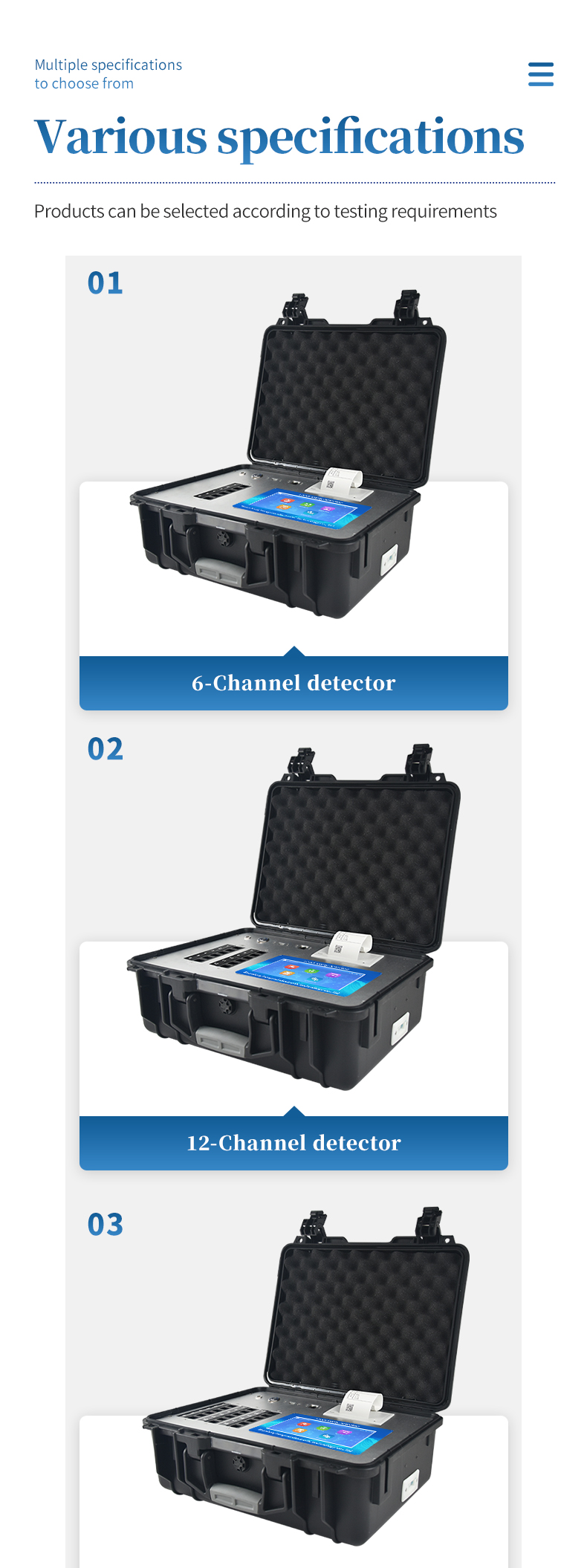
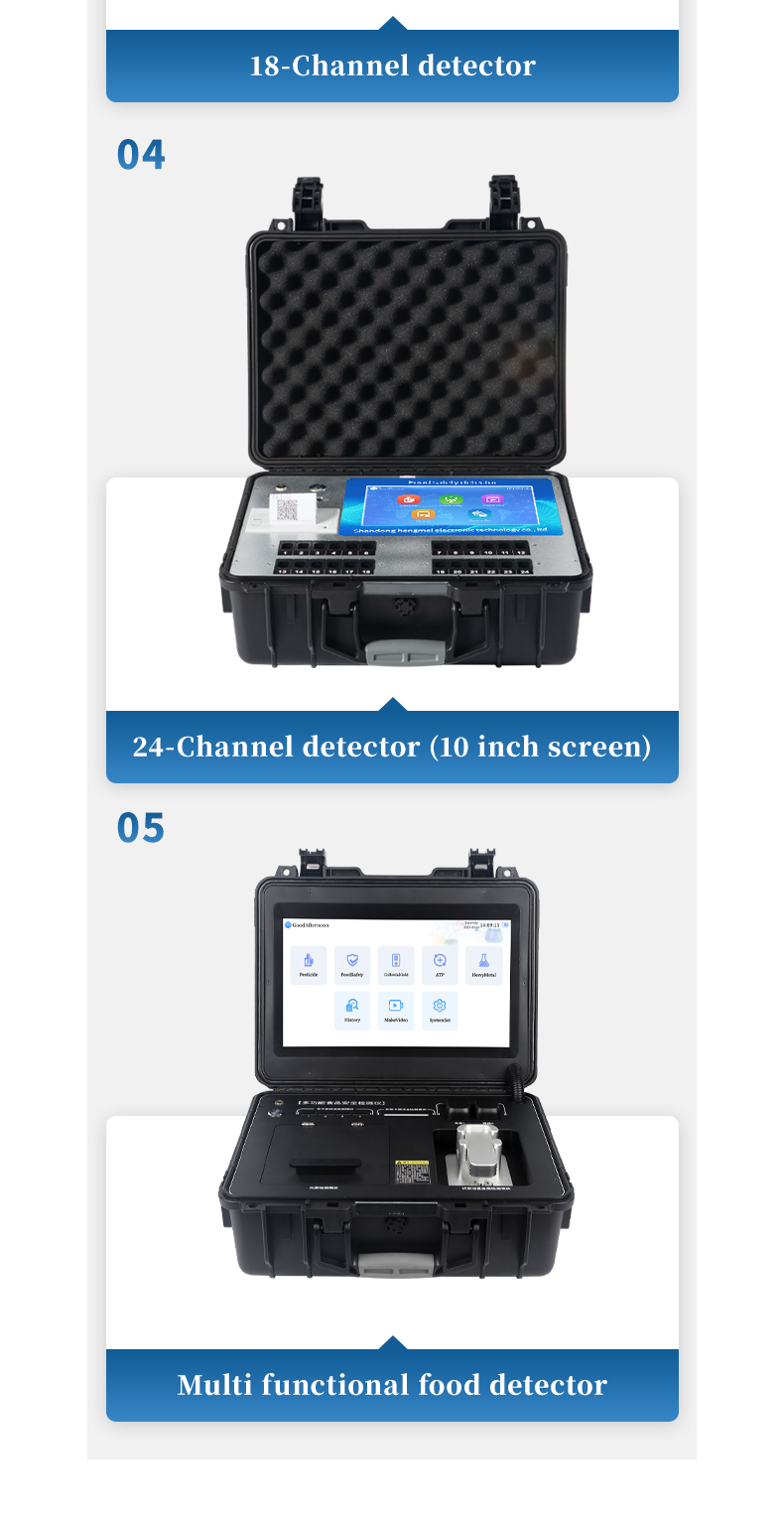
- All 24 detection channels operate simultaneously with parallel signal acquisition—not sequential scanning—maximizing throughput by processing a full tray of 24 samples in the time that sequential-channel instruments require for a single sample.
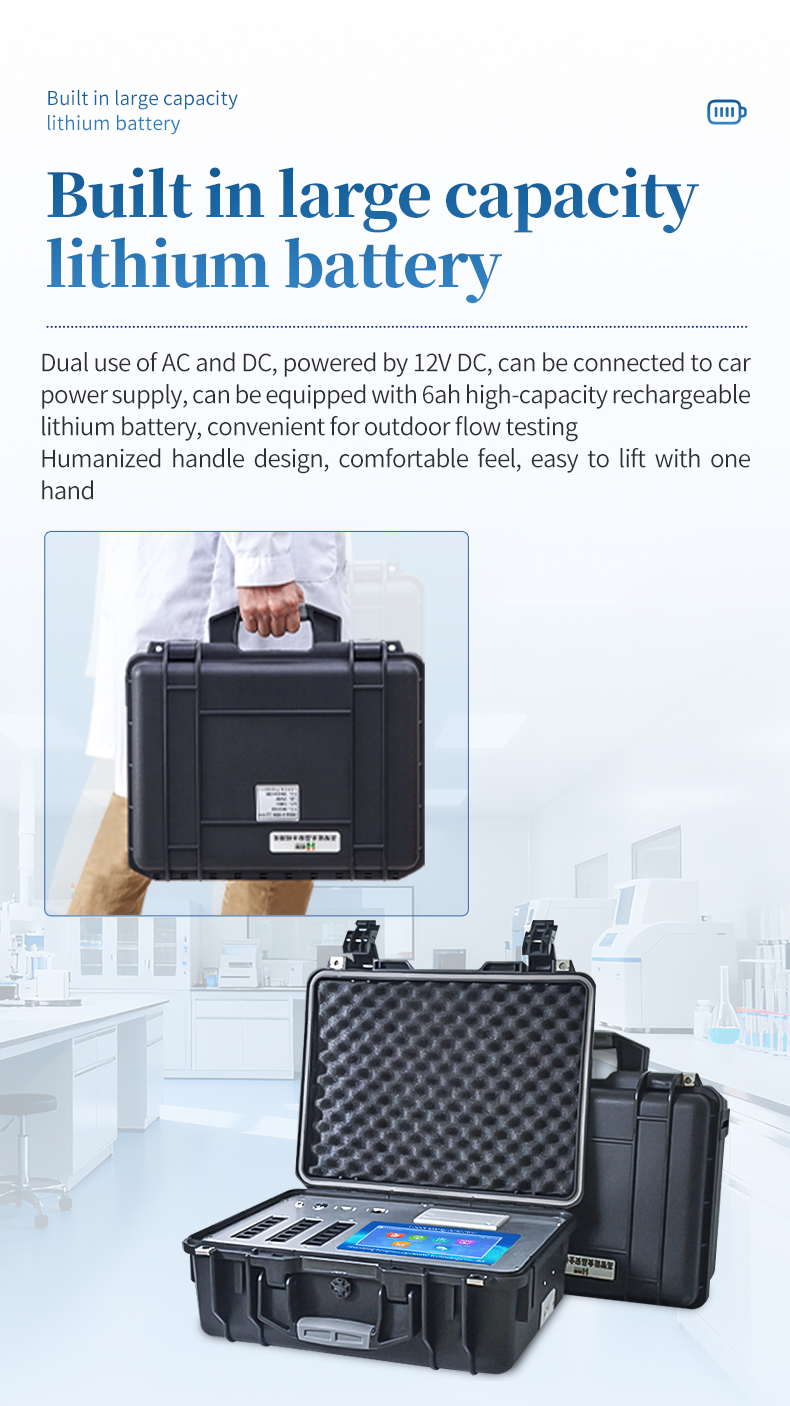
- Built-in 12 Ah high-capacity lithium battery delivering extended autonomous operation for all-day laboratory shifts, overnight production monitoring, and peak-season surge testing without mid-shift recharging interruptions.
- 4-wavelength cold light source (410/520/590/630 nm) with precision optical path switching to 64 equivalent wavelengths, providing the spectral discrimination needed for accurate multi-analyte quantification in complex food matrix extracts.
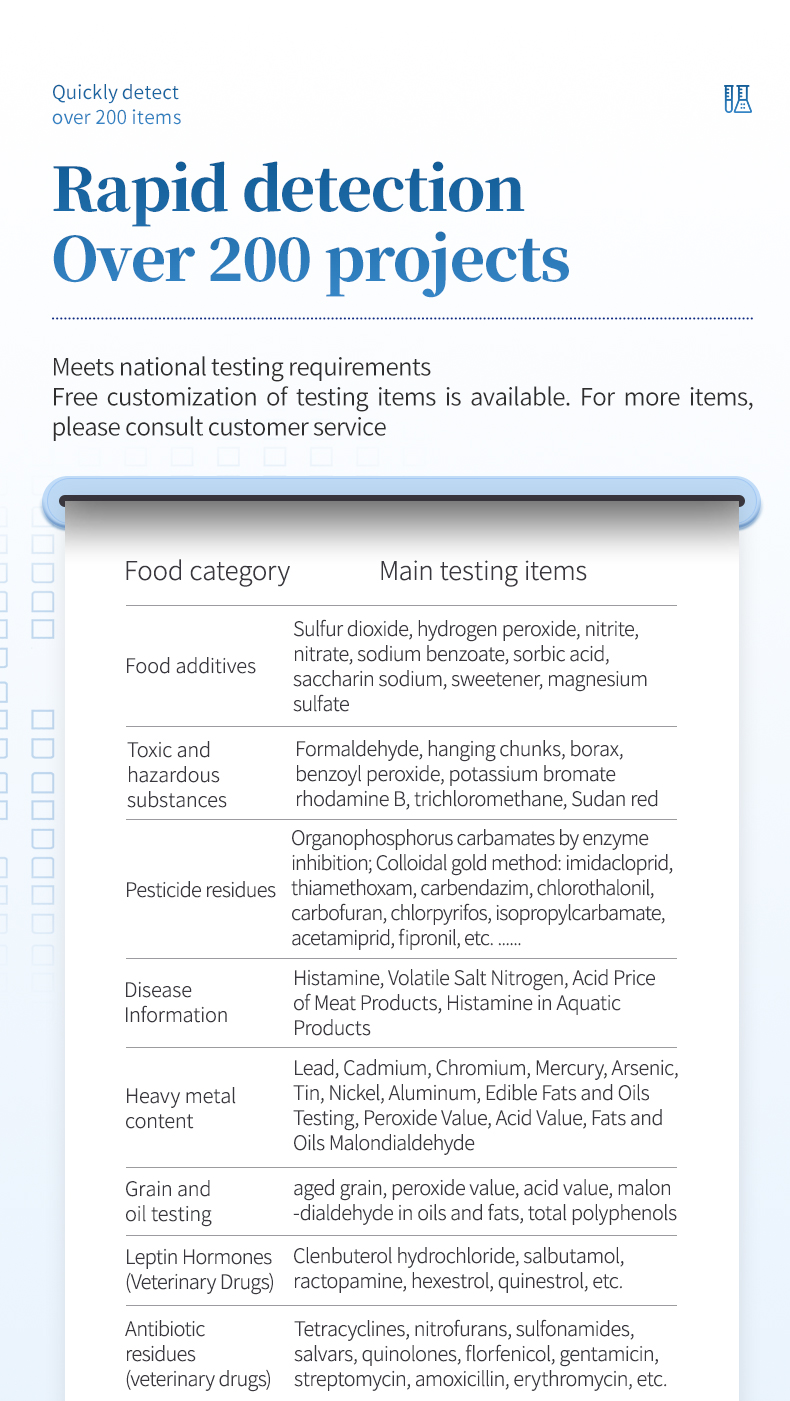
- 200+ pre-calibrated test items across 14 food safety categories, enabling a central laboratory to consolidate pesticide residue, food additive, heavy metal, veterinary drug, mycotoxin, and nutritional component screening onto a single instrument.
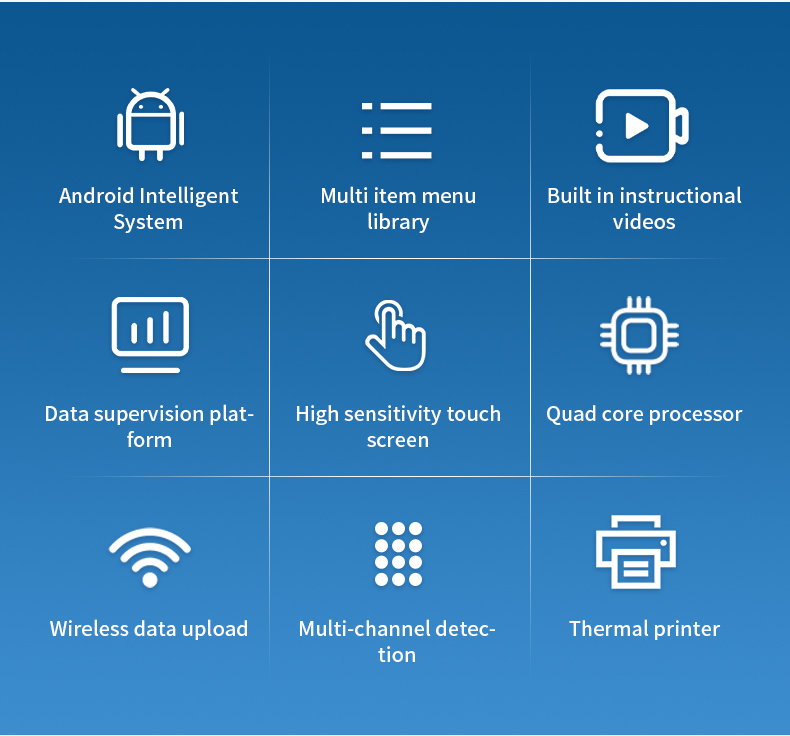
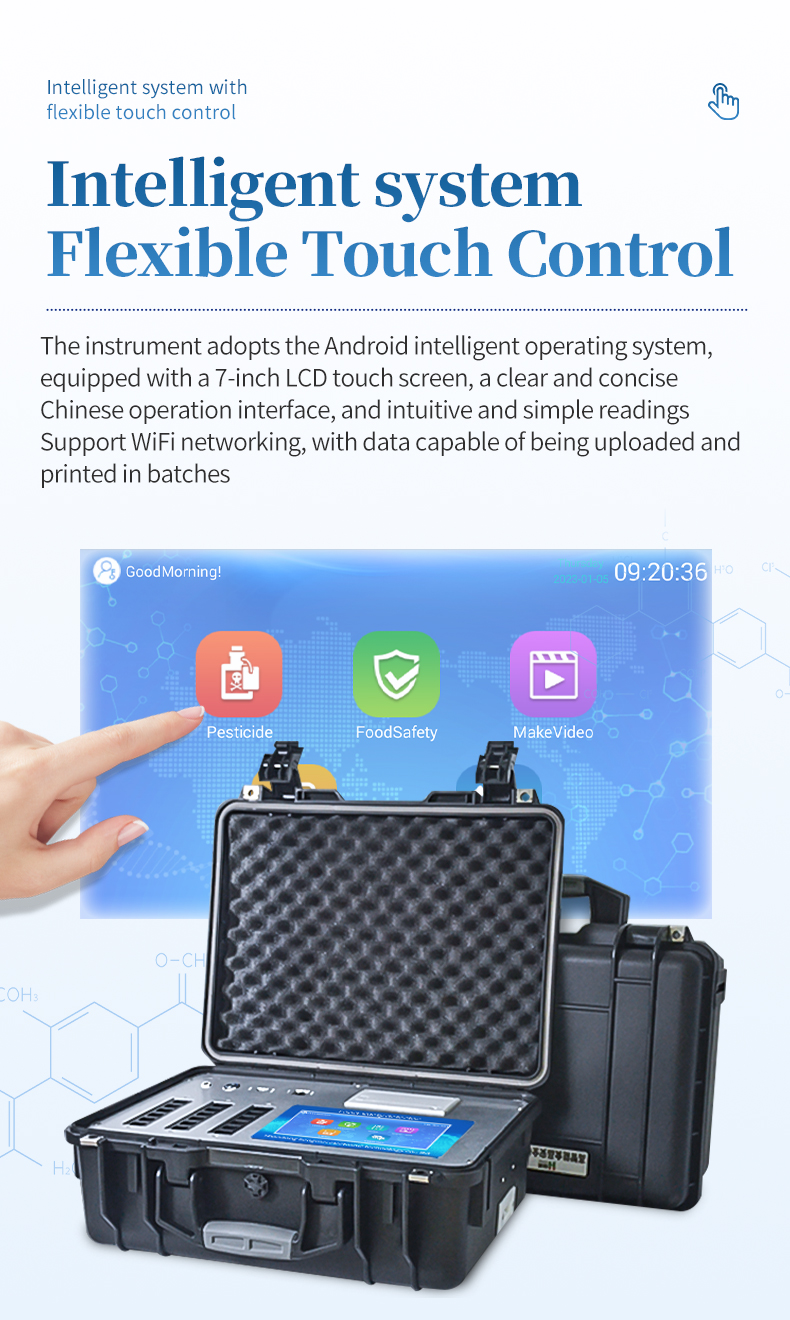
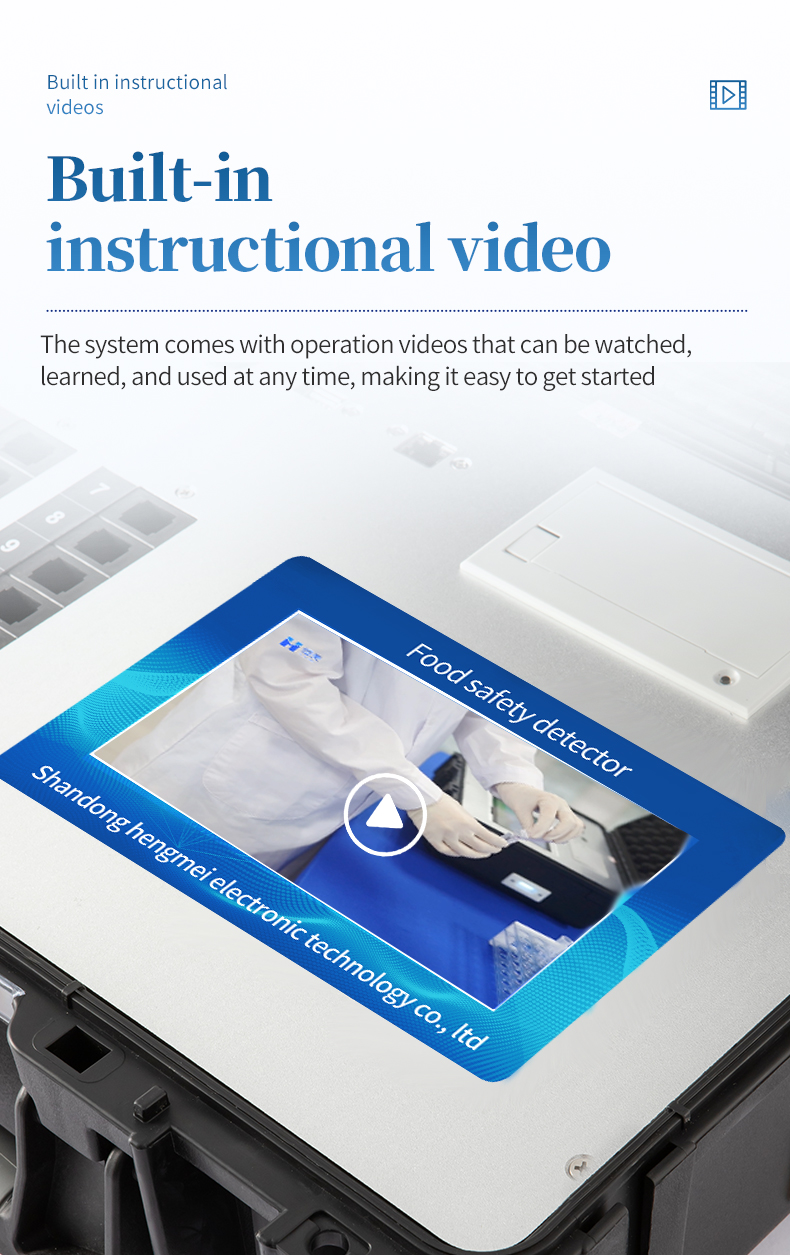
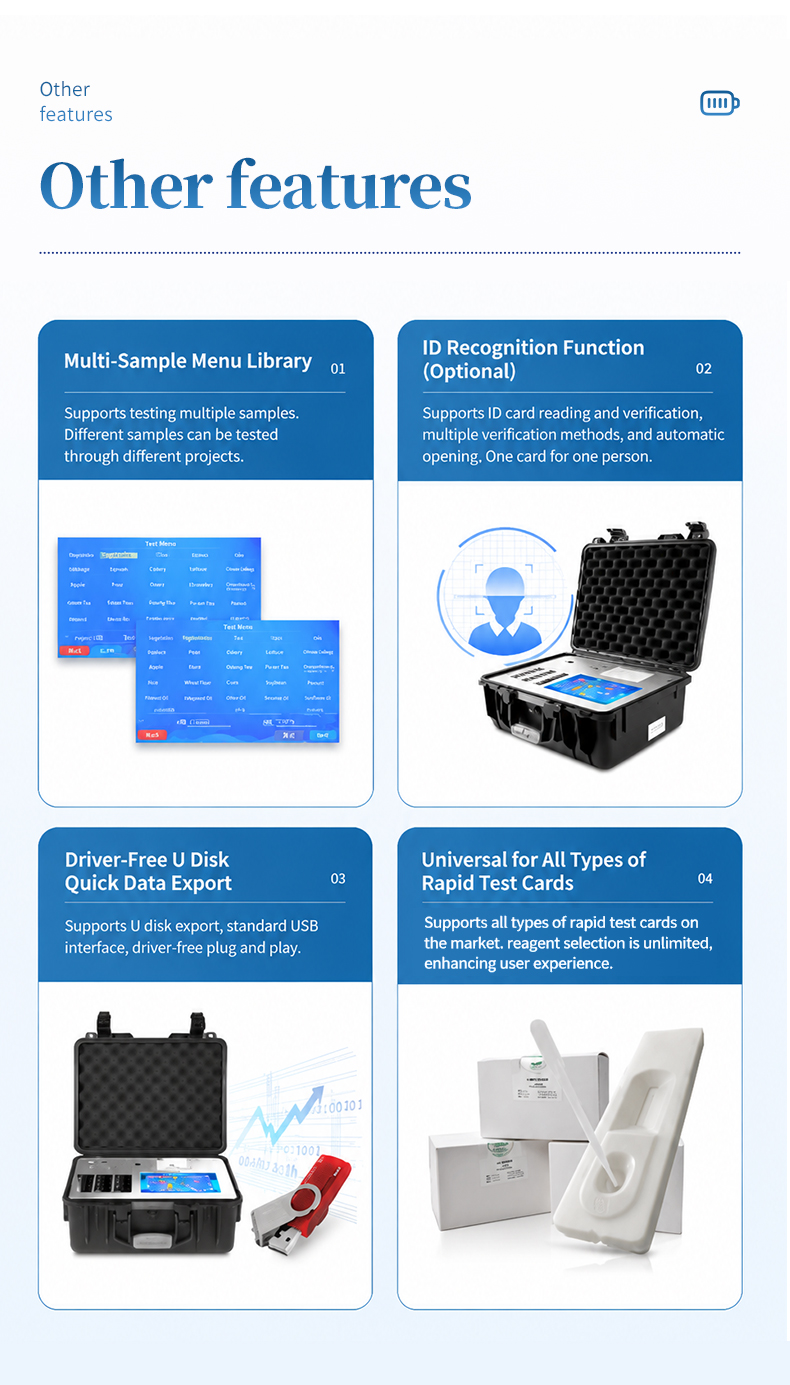
- 10-inch high-definition touchscreen with responsive graphical user interface that supports rapid test menu navigation, real-time multi-channel result monitoring, and intuitive batch data review—critical in high-throughput environments where operator efficiency directly impacts daily capacity.
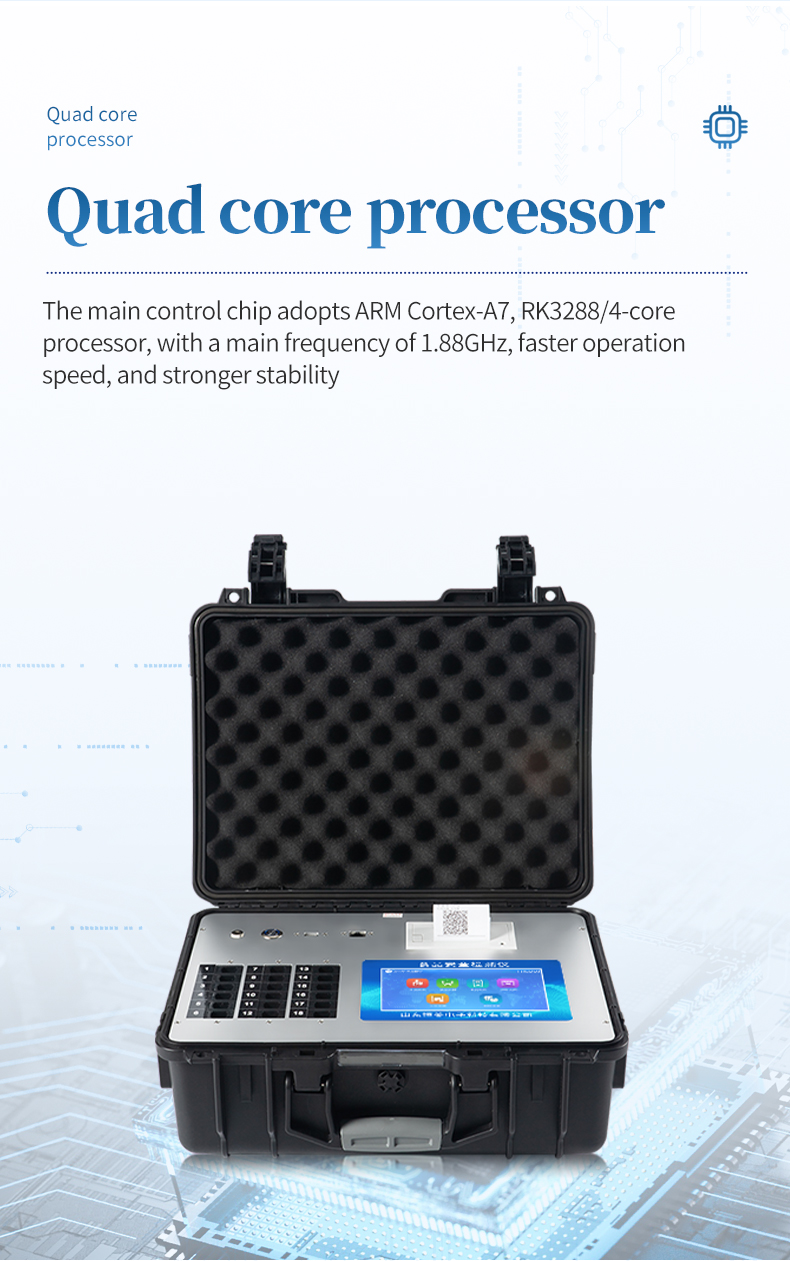
- ARM Cortex-A7 RK3288 quad-core processor at 1.88 GHz ensuring rapid spectral data acquisition, simultaneous multi-channel curve fitting, and immediate concentration calculation without processing lag as sample count increases.
- 200,000-record internal database with timestamped, tamper-evident data logging—each record captures complete measurement metadata—supporting ISO/IEC 17025 documentation requirements for central laboratories pursuing or maintaining accreditation.
- Automated channel blank calibration and wavelength verification routines executed at instrument startup and at configurable intervals during operation, reducing manual QC overhead in high-throughput environments where operator time is the limiting resource.
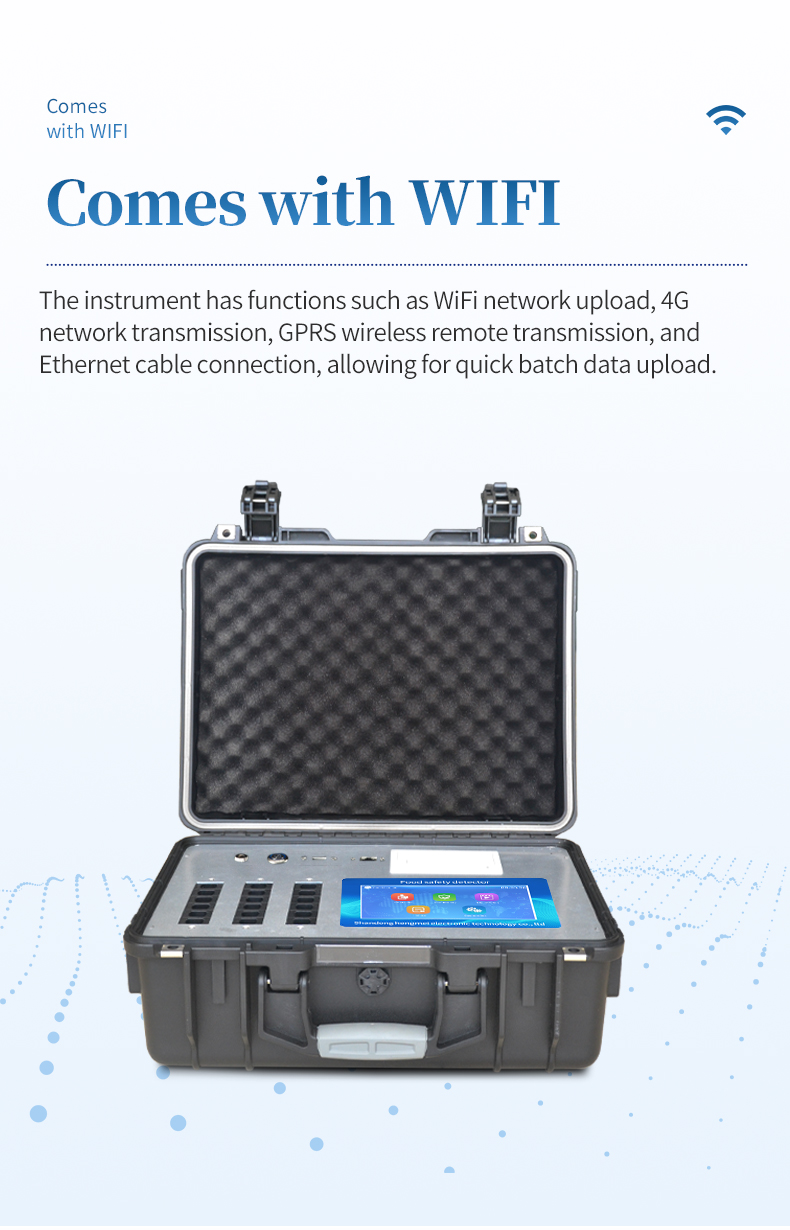
- USB 2.0 and Ethernet connectivity with structured data export supporting direct integration with laboratory information management systems (LIMS), enabling automated report generation, statistical quality control charting, and centralized data archiving.
- Multi-level user access architecture with role-separated operator, supervisor, and administrator functions—essential in central laboratories where instrument access must be controlled across multiple shifts and user groups.
- Robust benchtop chassis (43 × 35 × 19 cm, 5.1 kg net weight) with vibration-resistant optical bench design, ensuring measurement stability in busy central laboratories where multiple instruments and personnel share workspace.
- Expandable test item library with user-defined calibration curve creation, allowing central laboratories to add emerging contaminants, newly regulated parameters, or client-specific test methods as analytical requirements evolve.
- Built-in quality assurance module with automatic standard reference verification at operator-configurable intervals, generating control chart data that demonstrates ongoing measurement system stability for accreditation auditors.
- Consistent detection limit and range specifications across the GS-Series platform: pesticide inhibition rate (0–100%), formaldehyde (0–100 mg/kg at 1 mg/kg DL), nitrite (0–100 mg/kg at 1 mg/kg DL), sulfur dioxide (dual-range 0–100 and 0–500 mg/kg), sodium formaldehyde sulfoxylate (0–500 mg/kg at 5 mg/kg DL), protein (0–50% at 0.5% DL), borax (0–100 mg/kg), and lead (0.5 mg/kg solid, 0.2 mg/L liquid).
- Packaged weight of 9.3 kg including instrument, power supply, starter consumable kit, and comprehensive documentation—providing a complete central laboratory workstation package for new facility commissioning.
- Operating temperature (5–40 ℃) and humidity (15–80% RH non-condensing) ranges compatible with standard air-conditioned laboratory environments, with documented performance stability across the specified environmental envelope.
Technical Specifications
| Parameter | Specification |
|---|---|
| Model | HM-GS600 |
| Detection Channels | 24 channels, all-channel simultaneous detection |
| Light Source | 4-wavelength cold light source (410/520/590/630 nm), optical path switching up to 64 equivalent wavelengths |
| Test Items | 200+ items across 14 detection categories |
| Processor | ARM Cortex-A7 RK3288 quad-core, 1.88 GHz |
| Display | 10-inch color touchscreen |
| Data Storage Capacity | 200,000 records |
| Power Supply | AC 100–240V 50/60Hz; DC with built-in 12 Ah high-capacity rechargeable lithium battery |
| Battery Runtime | Extended full-day operation (significantly longer than standard 6 Ah configurations) |
| Data Export Interfaces | USB 2.0, Ethernet |
| Dimensions (L × W × H) | 43 × 35 × 19 cm |
| Net Weight | 5.1 kg |
| Packaged Weight | 9.3 kg |
| Operating Temperature | 5 ℃ to 40 ℃ |
| Operating Humidity | 15% to 80% RH (non-condensing) |
| Language Support | Chinese, English |
Detection Limits and Ranges
| Test Item | Detection Limit | Detection Range |
|---|---|---|
| Pesticide Residue (Inhibition Rate) | 5% | 0 — 100% |
| Formaldehyde | 1 mg/kg | 0 — 100 mg/kg |
| Nitrite | 1 mg/kg | 0 — 100 mg/kg |
| Sulfur Dioxide | 1 mg/kg | 0 — 100 mg/kg |
| Sulfur Dioxide (High Range) | 5 mg/kg | 0 — 500 mg/kg |
| Sodium Formaldehyde Sulfoxylate | 5 mg/kg | 0 — 500 mg/kg |
| Protein | 0.5% | 0 — 50% |
| Borax | 5 mg/kg | 0 — 100 mg/kg |
| Hydrogen Peroxide (Low Range) | 5 mg/kg | — |
| Hydrogen Peroxide (Mid Range) | 10 mg/kg | — |
| Hydrogen Peroxide (High Range) | 100 mg/kg | — |
| Nitrate (Low Range) | 10 mg/kg | — |
| Nitrate (High Range) | 40 mg/kg | — |
| Heavy Metal — Lead (Solid Sample) | 0.5 mg/kg | — |
| Heavy Metal — Lead (Liquid Sample) | 0.2 mg/L | — |
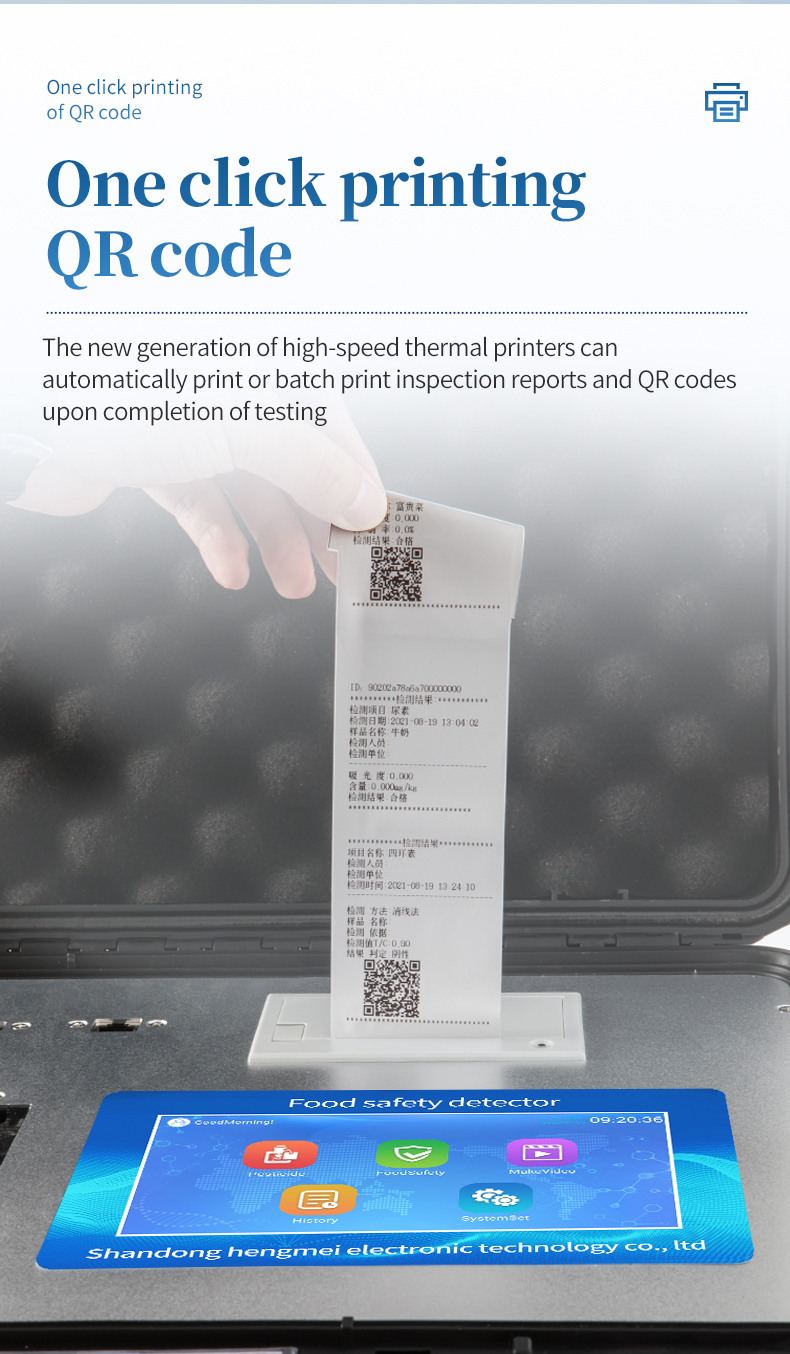
A central laboratory operating the HM-GS600 at its designed throughput can implement a batch-processing workflow structured around the instrument's 24-channel simultaneous detection capability. In a typical workflow, a laboratory technician prepares sample extracts in batches of 24—homogenizing, extracting, centrifuging, and transferring supernatant to cuvettes in a standard 24-position rack that maps directly to the instrument's channel layout. While the first batch of 24 samples runs (approximately 15–30 minutes depending on the most time-consuming parameter in the batch), the technician prepares the next batch of 24 extracts. With two technicians working in staggered preparation cycles—one handling incoming sample registration and homogenization, the other managing extraction, centrifugation, and cuvette loading—a central laboratory can comfortably process 200 to 400 samples per 8-hour shift depending on the number of parameters per sample. The simultaneous-channel architecture is the critical enabler: sequential-channel instruments with comparable per-channel measurement times would require 24× longer per batch, making 200-samples-per-day throughput infeasible on a single instrument. The 12 Ah battery adds operational resilience by eliminating workflow interruptions for recharging during extended shifts, and the 200,000-record database ensures that a full month of high-volume data remains instantly accessible on the instrument for query, review, and export without external storage dependencies.
ISO/IEC 17025 accreditation requires laboratories to demonstrate competence across management system and technical requirement domains, many of which intersect with instrument selection and operation. The HM-GS600 supports accreditation through several instrument-level features: (1) the automated channel blank calibration and wavelength verification routines, executed and documented at each startup, provide objective evidence of ongoing instrument performance verification (clause 6.4 on equipment); (2) the built-in QC verification module with configurable standard reference material measurement intervals and automatic control charting supports the statistical quality control requirements for ensuring validity of results (clause 7.7); (3) the multi-level user access architecture with separate operator, supervisor, and administrator roles supports personnel authorization and competence management (clause 6.2); (4) the 200,000-record database with tamper-evident, timestamped data logging and full measurement metadata capture supports technical records requirements (clause 7.5); (5) the USB and Ethernet data export with structured, LIMS-compatible formats supports electronic data management and reporting (clause 7.8). Laboratories should document the HM-GS600's role in their quality system—including calibration frequency, QC acceptance criteria, measurement uncertainty budget derived from validation data, and instrument-specific standard operating procedures—within their quality manual and associated technical procedures. The instrument's standardized calibration and operation protocols across the GS-Series platform also facilitate method transfer and inter-instrument comparability when multiple instruments are deployed within the same accredited laboratory.
Multiplex testing strategy—the approach to grouping different analytical parameters within a single batch run—is a key determinant of central laboratory throughput on the HM-GS600. The instrument's 4-wavelength optical system with 64 equivalent wavelength paths enables flexible parameter grouping, but optimal strategy depends on sample matrix compatibility, extraction procedure commonality, and measurement wavelength requirements. The recommended approach organizes samples into parameter groups that share a common sample extraction protocol: Group A (aqueous extraction) includes nitrite, sulfur dioxide, borax, formaldehyde, hydrogen peroxide, and sodium formaldehyde sulfoxylate—all parameters extracted with water or dilute buffer from a single homogenized sample portion; Group B (organic solvent extraction) includes pesticide residues via enzyme inhibition, requiring acetone or acetonitrile extraction followed by solvent exchange to aqueous buffer; Group C (acid digestion or specialized extraction) includes heavy metals and mycotoxins, which may require separate sample preparation workflows. Within Group A, a single homogenized sample can be extracted once and aliquoted to multiple cuvettes for simultaneous analysis of all aqueous-extractable parameters, maximizing the information yield per sample preparation hour. The HM-GS600's 24 channels allow a practical batch configuration such as: channels 1–6 for pesticide residues (6 samples), channels 7–12 for nitrite and sulfur dioxide (3 samples × 2 parameters), channels 13–18 for formaldehyde and sodium formaldehyde sulfoxylate (3 samples × 2 parameters), and channels 19–24 for borax, hydrogen peroxide, and protein (2 samples × 3 parameters)—all running simultaneously within a single 15–30 minute instrument cycle.
The HM-GS600's 12 Ah built-in lithium battery provides substantially longer autonomous operation than the 6 Ah batteries used in standard portable food analyzers. Under typical operating conditions—continuous use with the 10-inch touchscreen at moderate brightness, all 24 optical channels cycling through measurement routines, and the ARM Cortex-A7 processor active for data processing—the 12 Ah battery delivers approximately 10–12 hours of continuous operation on a full charge. This extended runtime is specifically engineered for use cases where the instrument must operate through an entire extended shift without grid power access: full-day regulatory surveillance at remote wholesale markets, multi-site production facility audits spanning morning through evening, and pre-shipment testing crunches at export consolidation warehouses. Factors that influence actual runtime include screen brightness setting (high brightness reduces runtime by approximately 10–15%), frequency of thermal printer use (each print cycle draws additional current), ambient temperature (lithium battery discharge efficiency decreases at temperatures below 10 ℃), and the proportion of time the instrument spends in active measurement versus idle standby. For facilities planning full-day mobile deployment, a conservative operating protocol would schedule charging during the midday meal break if feasible, or maintain a fully charged spare battery pack if the instrument supports external battery swapping. The HM-GS600 also operates normally on AC mains power, automatically switching to battery when AC power is disconnected and resuming charging when reconnected.
LIMS integration is essential for central laboratories managing high sample volumes, as manual transcription of instrument results into a separate data management system introduces error, delays reporting, and complicates audit trail maintenance. The HM-GS600 supports LIMS integration through its USB 2.0 and Ethernet data interfaces. The instrument exports test records in structured formats (typically CSV or XML, with field mapping configurable through the instrument settings) that include sample ID, batch number, operator ID, test item name, measurement wavelength, raw absorbance values, calibration curve parameters, calculated concentration, configured threshold, pass/fail determination, and UTC timestamp. For laboratories with established LIMS platforms, the recommended integration path involves: (1) defining a standard export template mapping HM-GS600 data fields to LIMS database fields; (2) establishing a data import protocol—either periodic batch export via USB to an intermediate workstation for LIMS ingestion, or direct network transfer via Ethernet if the LIMS supports instrument-level network connectivity; (3) implementing a data verification step that compares instrument-exported record counts and checksums against LIMS-imported records to ensure complete transfer; (4) configuring automated QC flagging in the LIMS based on the instrument's QC verification data, such that any calibration or QC failure on the HM-GS600 automatically triggers a LIMS alert preventing result reporting until the issue is resolved. For laboratories without an existing LIMS, the HM-GS600's onboard 200,000-record database provides substantial standalone data management capability, with search, filter, and export functions accessible through the touchscreen interface.
The decision between an all-in-one multi-parameter platform like the HM-GS600 and a suite of individual dedicated instruments—separate spectrophotometers for pesticide residues, formaldehyde, and nitrite, plus dedicated heavy metal analyzers and mycotoxin readers—involves trade-offs across several operational dimensions. In favor of the all-in-one approach: (1) instrument footprint—the HM-GS600 occupies a single 43 × 35 cm benchtop area versus potentially 4–6 separate instruments each requiring their own workspace, power, and environmental conditioning; (2) calibration and maintenance overhead—one instrument requires one set of calibration standards, one QC protocol, and one maintenance schedule, whereas multiple instruments multiply these overheads; (3) operator training—staff need to learn one instrument interface and one set of operating procedures rather than 4–6 different instrument paradigms; (4) data management—all results reside in a single database with consistent formatting, simplifying LIMS integration and audit trail management; (5) consumable logistics—shared cuvettes, reagents, and accessories reduce inventory complexity. In favor of dedicated instruments: (1) each instrument can be optimized for its specific parameter, potentially offering lower detection limits or faster per-parameter cycle times; (2) instrument redundancy—if a dedicated instrument fails, other parameters continue unaffected, whereas an all-in-one failure halts all testing; (3) parallel workflow—multiple operators can run different parameters simultaneously on different instruments, whereas a single HM-GS600 processes one batch at a time (though its 24-channel simultaneous architecture partially mitigates this by processing many samples in parallel). For central laboratories with daily volumes exceeding 200 samples, the operational efficiency gains of the HM-GS600's consolidated platform—reduced calibration time, simplified training, unified data management—typically outweigh the advantages of instrument specialization, particularly when the instrument is deployed as the screening front-end of a tiered workflow where presumptive positives proceed to specialized confirmatory instrumentation.
Total cost of ownership (TCO) analysis for laboratory instrumentation should account for acquisition cost, consumable costs, calibration and maintenance expenses, operator labor, facility overhead (benchtop space, power, environmental control), training costs, and instrument downtime risk. For the HM-GS600 versus a suite of dedicated instruments covering the equivalent 14 food safety categories: acquisition cost favors the single-platform approach—the HM-GS600 at $3,143 typically represents a lower capital expenditure than purchasing 4–6 individual dedicated instruments, even at entry-level pricing for each. Consumable costs are comparable per-parameter since both approaches use similar reagent kits for each test item; however, the all-in-one platform may reduce consumable waste by enabling more efficient batch utilization. Labor cost is where the HM-GS600 generates the most substantial savings: one operator managing one instrument's batch processing replaces the labor of potentially 2–3 operators managing multiple instruments, and the simplified training reduces onboarding time for new staff. Calibration and maintenance costs scale roughly with the number of instruments—one instrument requires one annual preventive maintenance visit, one set of calibration standards, and one QC consumable inventory versus the multiplicative costs of maintaining multiple instruments. Facility overhead savings from the single-instrument footprint—one bench position, one power outlet, one environmental conditioning zone—are modest but real in space-constrained central laboratories. The primary TCO risk of the all-in-one approach is instrument downtime: if the HM-GS600 requires service, all screening parameters are unavailable until repair is completed, whereas with dedicated instruments, a single instrument failure affects only one parameter category. Central laboratories can mitigate this risk by maintaining a backup instrument (the GS-Series platform consistency means a GS300 can serve as a temporary backup for a GS600, albeit with reduced throughput) or by establishing a service agreement with guaranteed response time.
Article address:https://www.hmfoodtesting.com/spaq2/central-lab-food-testing-platform.html