 Current
location:
Current
location: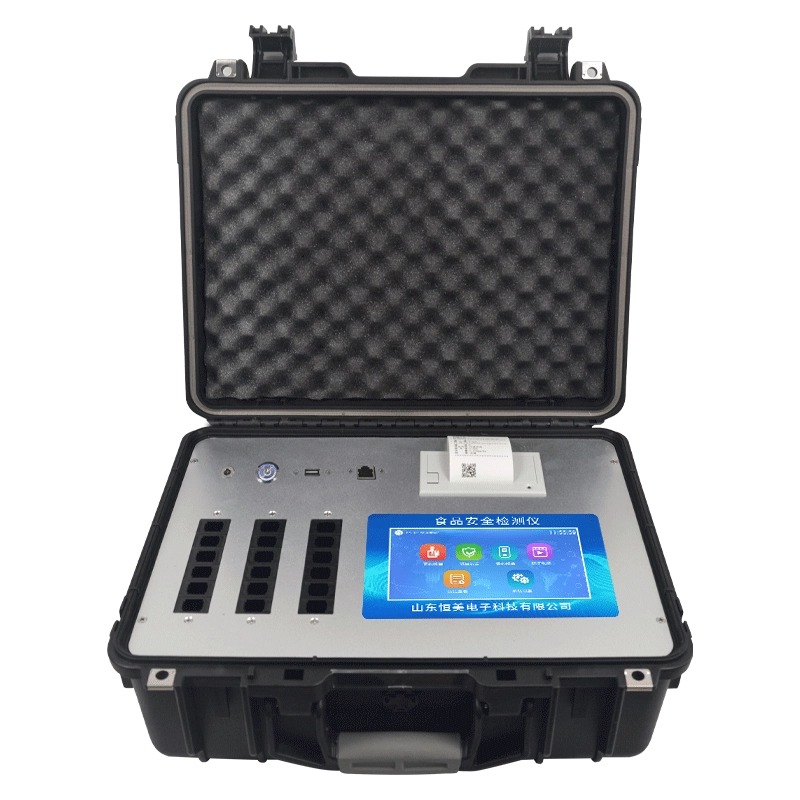
 +86
17853698681
+86
17853698681








Product Introduction
Government food regulatory agencies and accredited third-party inspection laboratories operate under a fundamentally different set of requirements than routine industrial quality control departments. Every test result generated during a regulatory inspection carries potential legal consequence—it may form the basis for administrative penalties, product seizure orders, market access suspension, or criminal referral in cases of intentional adulteration. The chain of custody, instrument calibration records, operator credentials, reagent lot traceability, and raw photometric data must withstand scrutiny in administrative hearings and judicial proceedings. At the same time, regulatory inspectors face an ever-expanding scope of regulated parameters: China's National Food Safety Standards now encompass over 1,200 individual maximum residue limits, contaminant thresholds, and additive use restrictions across dozens of food categories. Budget-constrained inspection agencies and laboratories must reconcile these dual pressures—legal defensibility and analytical breadth—within finite equipment, personnel, and per-sample cost limitations.
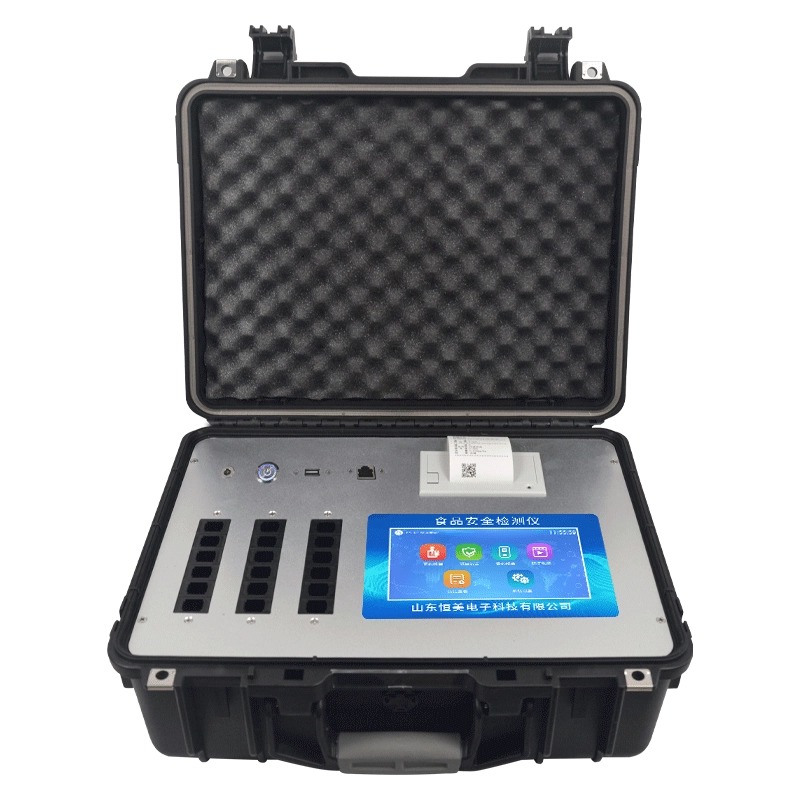
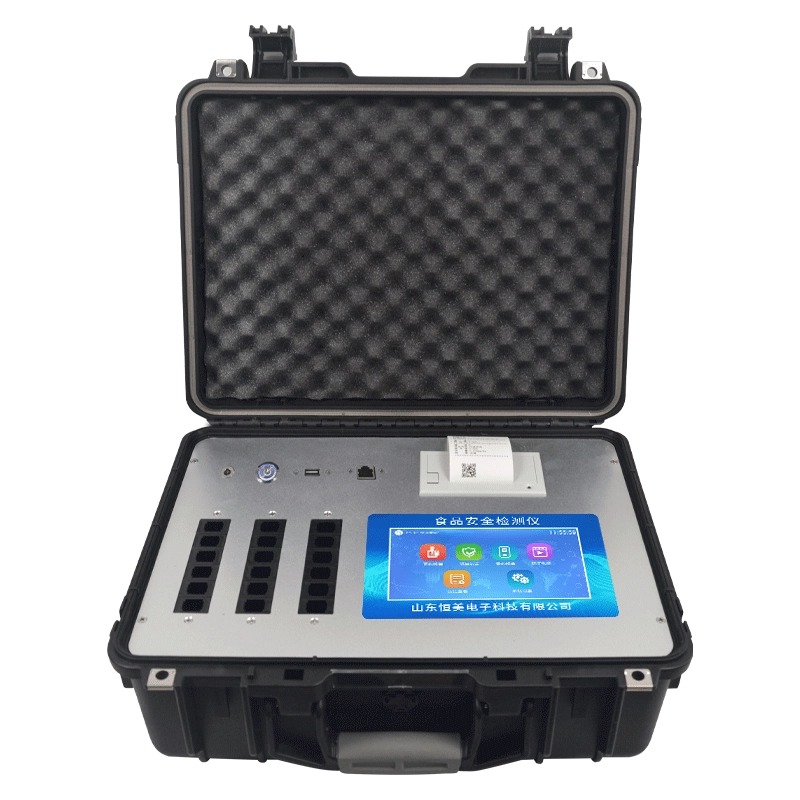
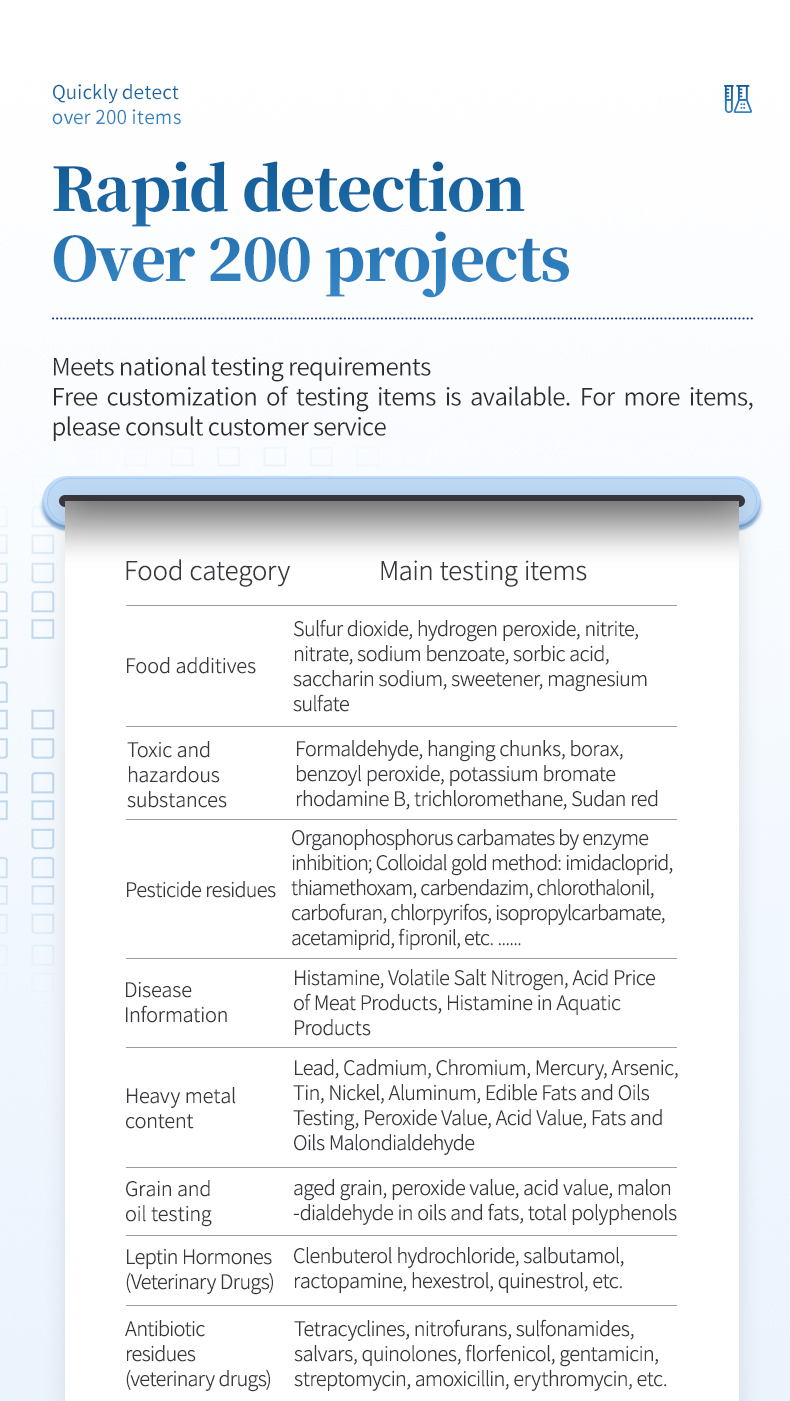
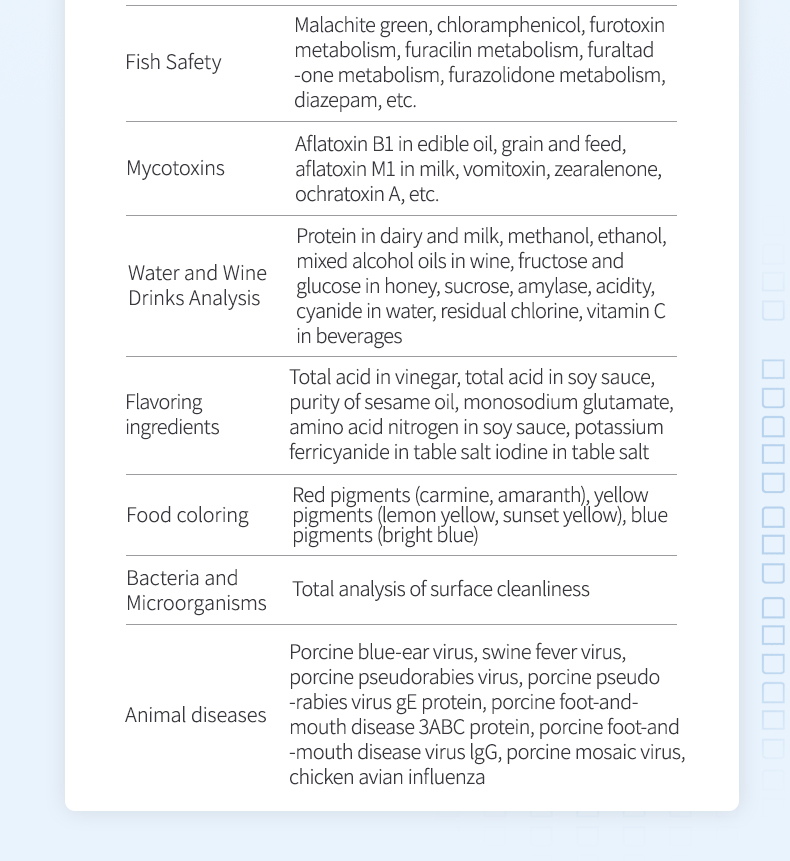
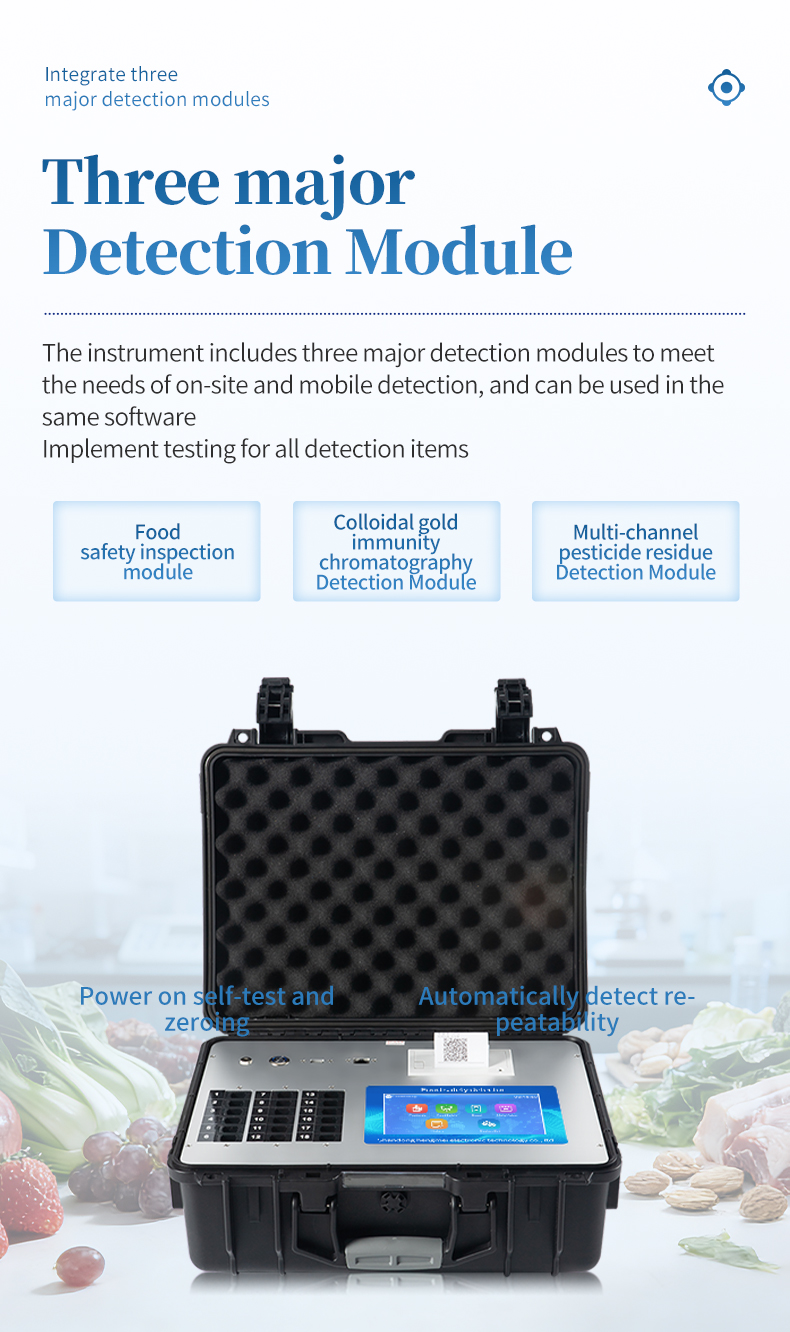
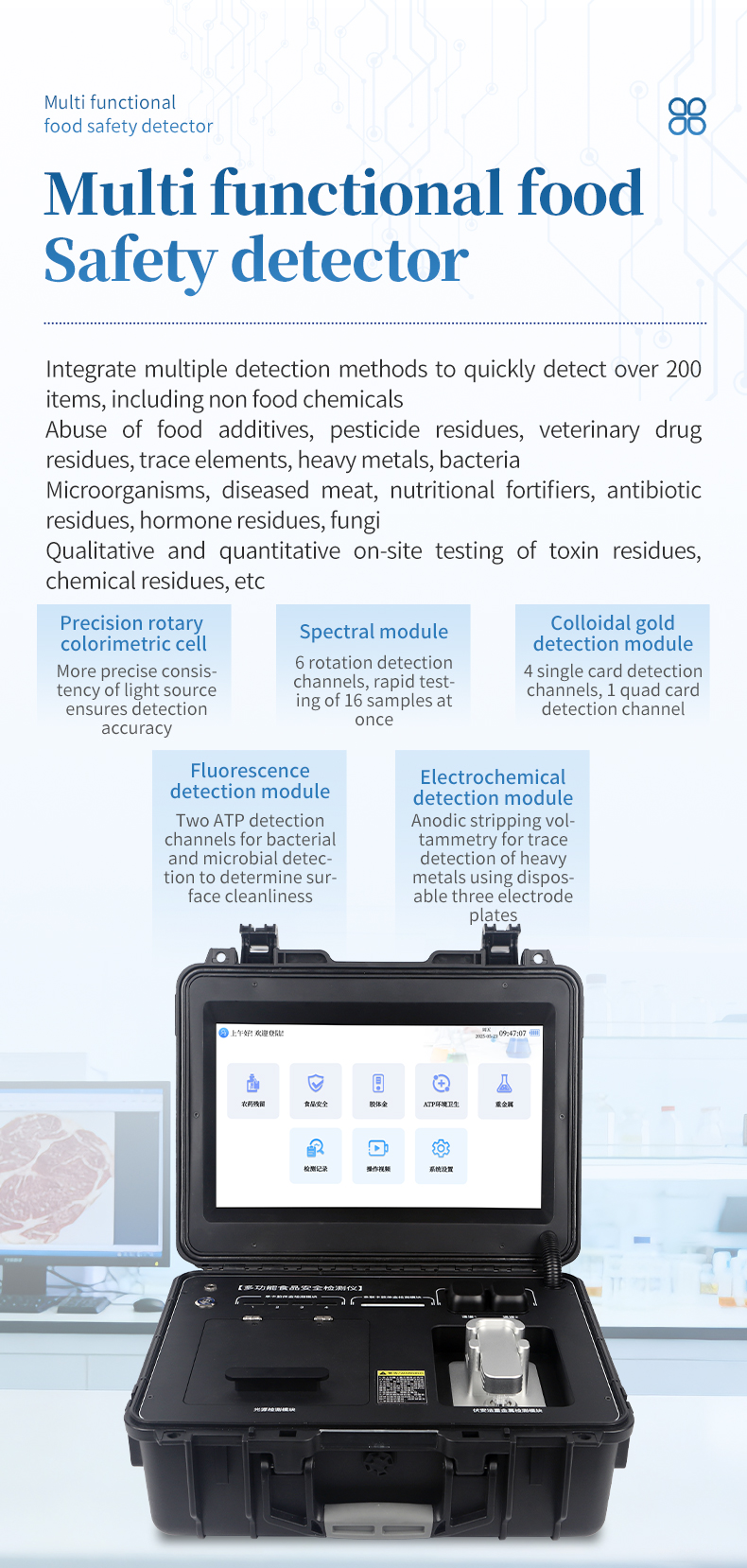
The HM-GS300 Multi-Parameter Food Safety Analyzer, developed by HM Instruments (恒美智造), addresses this regulatory-institutional requirement by providing a single-platform screening solution that combines the analytical range needed for multi-category surveillance with the data integrity features required for legal and administrative defensibility. At the instrument's core is a 24-channel optical detection module built around a 4-wavelength cold light source emitting at 410 nm, 520 nm, 590 nm, and 630 nm. Through precision optical path switching, the system achieves up to 64 equivalent measurement wavelengths—sufficient spectral resolution to discriminate between structurally similar analytes in complex food matrices. The pre-loaded test library spans over 200 programmed items across 14 detection categories, including pesticide residues (organophosphorus and carbamate enzyme inhibition), toxic and harmful substances (formaldehyde, sulfur dioxide, nitrite, hydrogen peroxide, sodium formaldehyde sulfoxylate), heavy metals (lead with 0.5 mg/kg solid sample and 0.2 mg/L liquid sample detection limits), veterinary drug residues, mycotoxins, food additives, nutritional fortifiers, and spoiled meat indicators. This breadth enables a single inspection team to conduct comprehensive regulatory surveillance across produce, meat, seafood, grain products, beverages, and processed foods without switching between multiple specialized instruments.
From an evidentiary perspective, the HM-GS300's data architecture is equally critical. The instrument stores 200,000 timestamped test records internally, each capturing the complete measurement context: operator identification, sample ID, batch or lot number, test item selection, raw absorbance values at each detection wavelength, the applied calibration curve parameters, and the final quantitative or qualitative result. Records cannot be deleted or altered through the standard operator interface—only administrative-level users can manage the database, and audit log entries track all configuration changes. This architecture supports the documentation standards expected in ISO/IEC 17025 accredited laboratories and by regulatory bodies conducting market surveillance. The built-in quality control verification protocol prompts operators to run standard reference materials at configurable intervals, generating documented evidence of ongoing instrument performance verification. For field inspection teams, the 6 Ah lithium battery provides approximately 6 hours of untethered operation, enabling full-day mobile enforcement at wholesale markets, retail outlets, and food production facilities. For a more detailed examination of building a regulatory-compliant food testing program, see our guide to regulatory food safety inspection protocols and equipment selection.
Applications
- Market Supervision Bureau routine surveillance: Conduct unannounced random sampling inspections at wet markets, supermarkets, and wholesale food distribution centers, generating real-time screening results that can trigger immediate administrative action when violations are detected.
- Agricultural product quality inspection stations: Screen incoming produce shipments at agricultural wholesale markets for pesticide residues, heavy metals, and mycotoxin contamination before distribution to retail channels, supporting the farm-to-market regulatory chain.
- Entry-Exit Inspection and Quarantine border screening: Perform rapid multi-parameter screening on imported food consignments at ports of entry, identifying potentially non-compliant shipments for targeted sampling and laboratory confirmatory analysis.
- Third-party testing laboratory contract analysis: Operate the HM-GS300 as a high-throughput pre-screening workstation in accredited laboratories, processing client samples across multiple food categories and flagging presumptive positives for confirmatory LC-MS/MS or GC-MS analysis.
- Food factory QC department supplier verification: Test incoming raw material shipments—edible oils, flours, meat ingredients, food additives—against supplier certificates of analysis, verifying that documented quality parameters match actual measured values.
- School and institutional catering safety monitoring: Deploy the instrument in centralized kitchen facilities serving schools, hospitals, and government canteens to screen fresh produce, cooking oil, and prepared food samples for the most commonly regulated contaminants.
- Proficiency testing and inter-laboratory comparison programs: Use the HM-GS300 as a participant instrument in organized proficiency testing schemes, where its consistent photometric performance and standardized calibration protocols support reliable inter-laboratory comparability assessment.
Key Features & Advantages
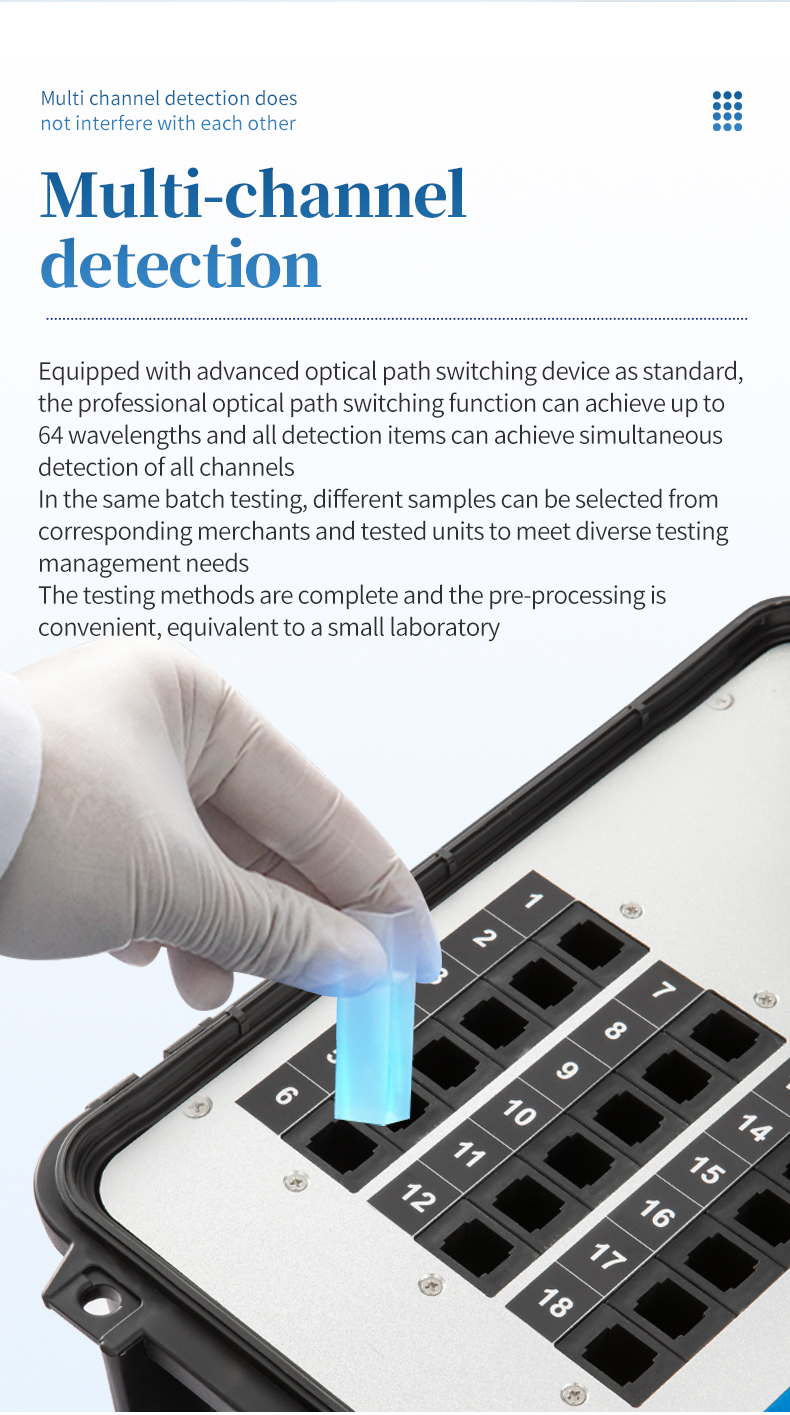
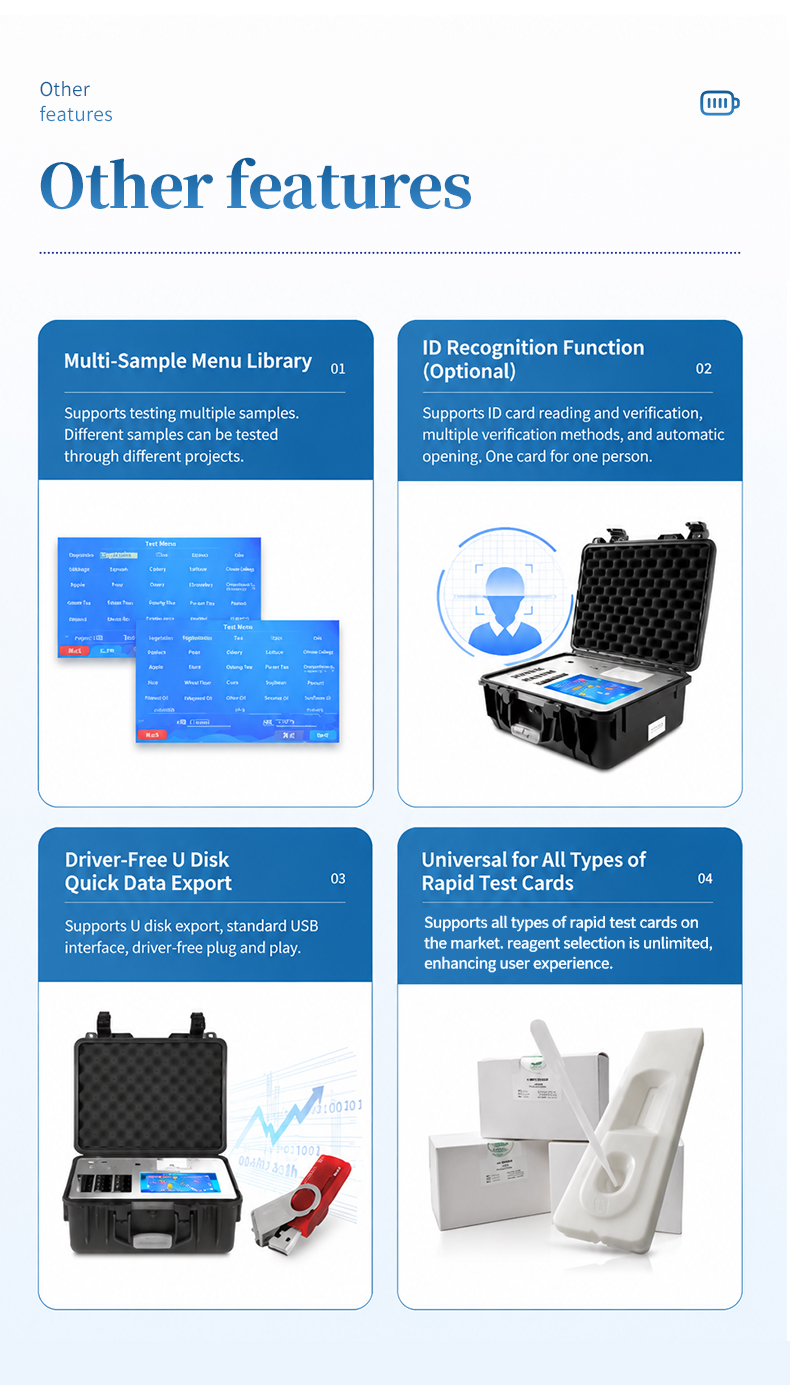
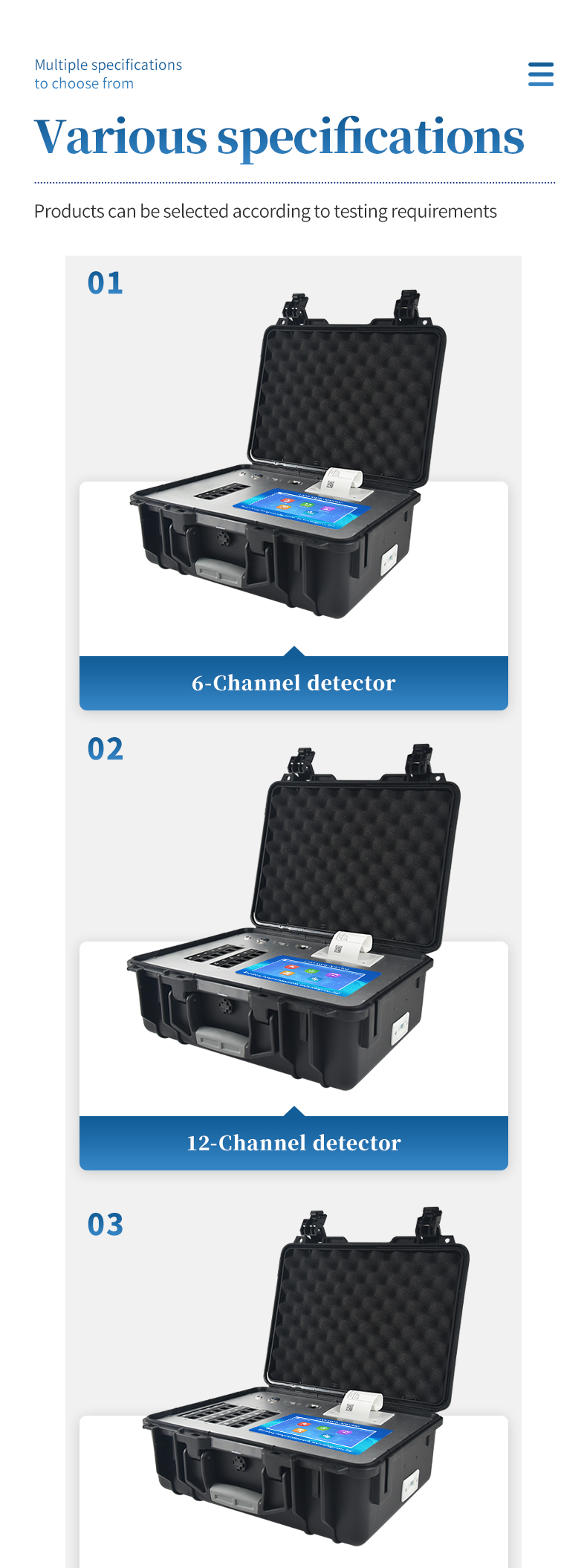
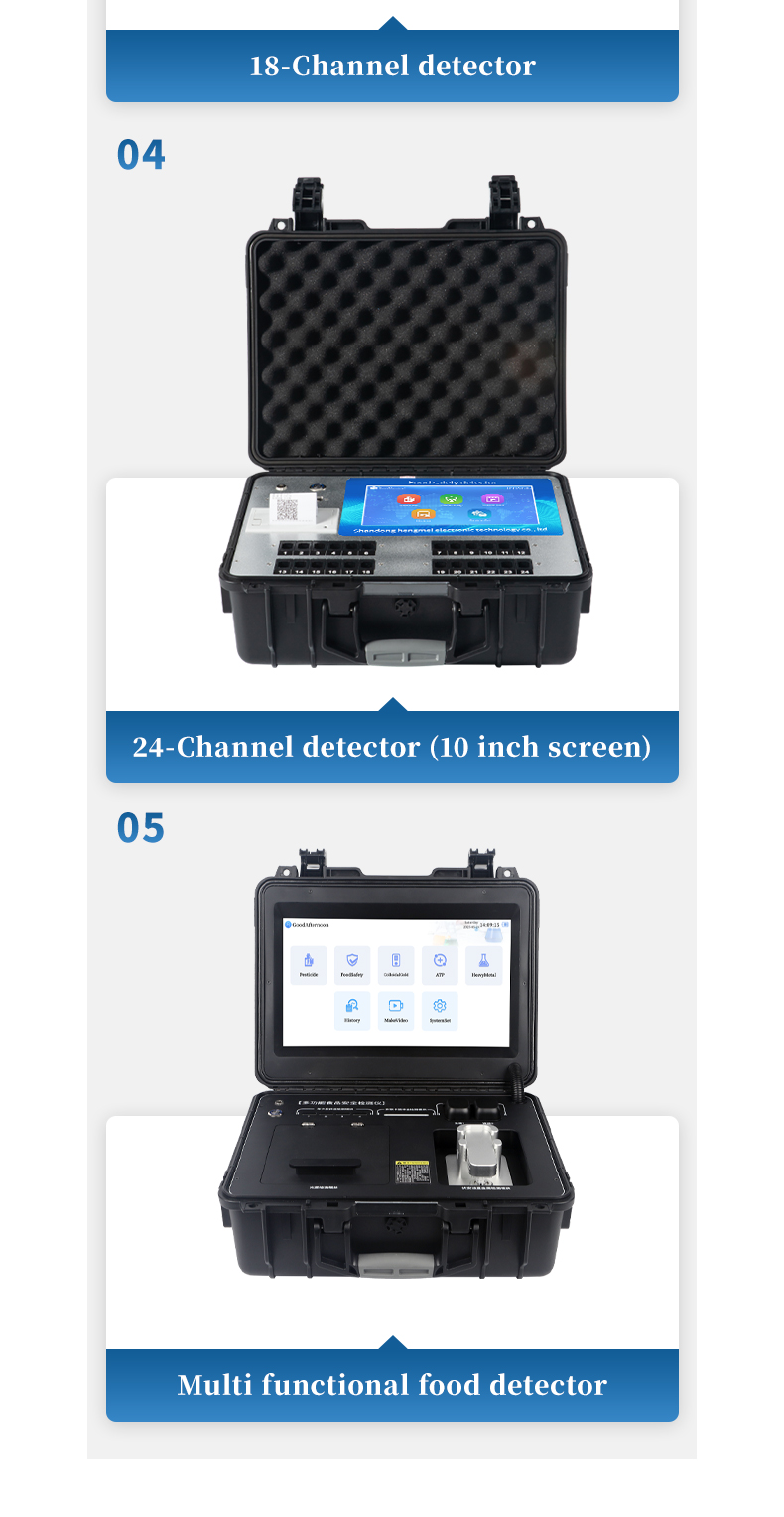
- 24 independent detection channels operating simultaneously, enabling batch processing of up to 24 samples in a single run—critical for regulatory inspection throughput when screening dozens of samples per market visit.
- 4-wavelength cold light source (410/520/590/630 nm) with optical path switching delivering up to 64 equivalent measurement wavelengths, providing the spectral discrimination needed for multi-analyte food matrix analysis.
- 200+ pre-calibrated test items across 14 food safety categories, covering the regulatory parameters most commonly cited in China's National Food Safety Standards (GB standards) for routine market surveillance.
- 200,000-record onboard database with timestamped, tamper-evident data logging—each record captures operator ID, sample ID, batch number, raw photometric data, calibration parameters, and final result—supporting chain-of-custody documentation for legal proceedings.
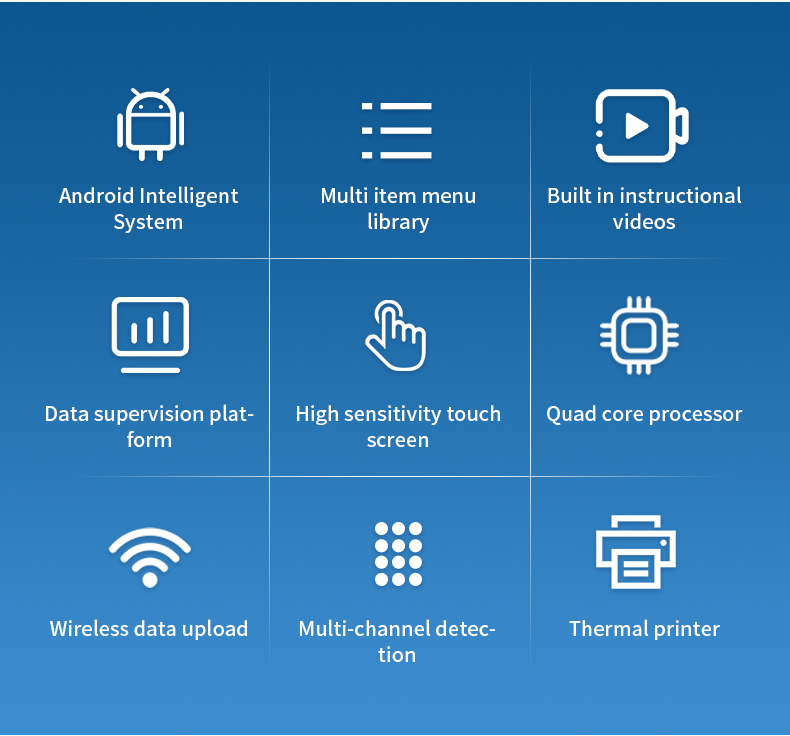
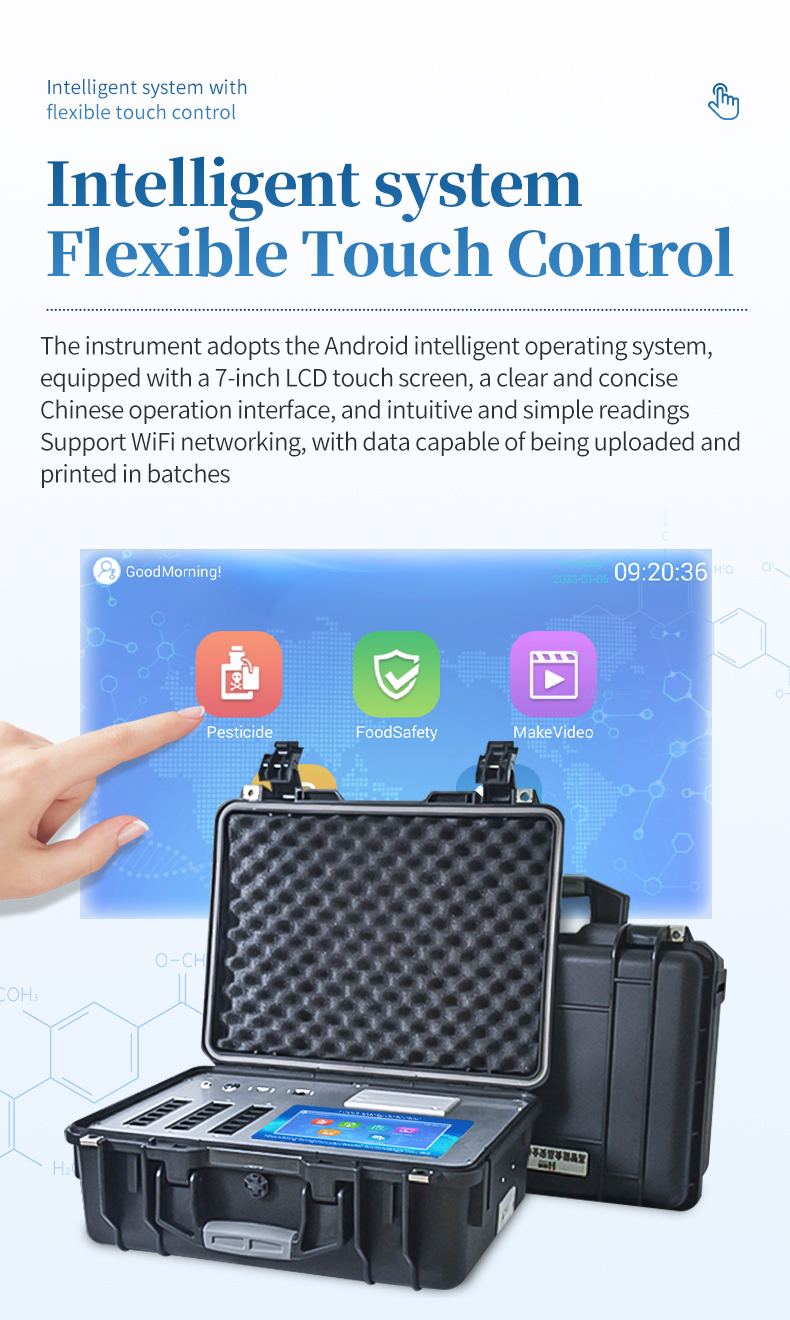
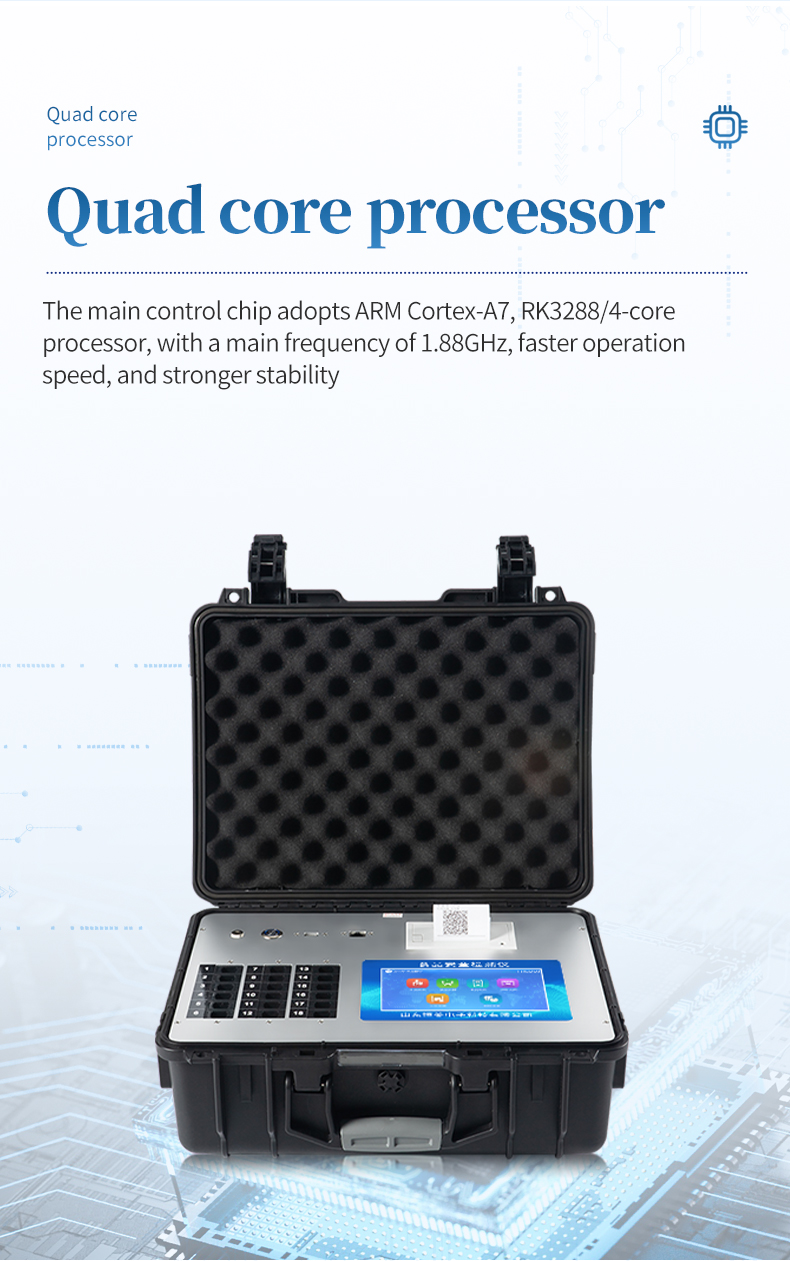
- ARM Cortex-A7 RK3288 quad-core processor (1.88 GHz) with 10-inch high-resolution touchscreen, delivering responsive instrument control and clear result visualization in field inspection environments with variable lighting.
- Built-in quality control verification module prompting standard reference material measurement at operator-configurable intervals, automatically documenting QC performance for laboratory accreditation audit requirements.
- Multi-level user access architecture with separate operator, supervisor, and administrator roles—routine inspectors execute tests and view results, while only authorized supervisory personnel can modify calibration curves, detection thresholds, or database configurations.
- Automatic wavelength selection and channel blank calibration routines reducing the operator skill requirement and minimizing between-operator variability in field inspection settings where multiple staff share the instrument.
- AC/DC dual power supply with 6 Ah built-in lithium battery providing approximately 6 hours of continuous untethered operation—sufficient for a full regulatory inspection shift across multiple market locations.
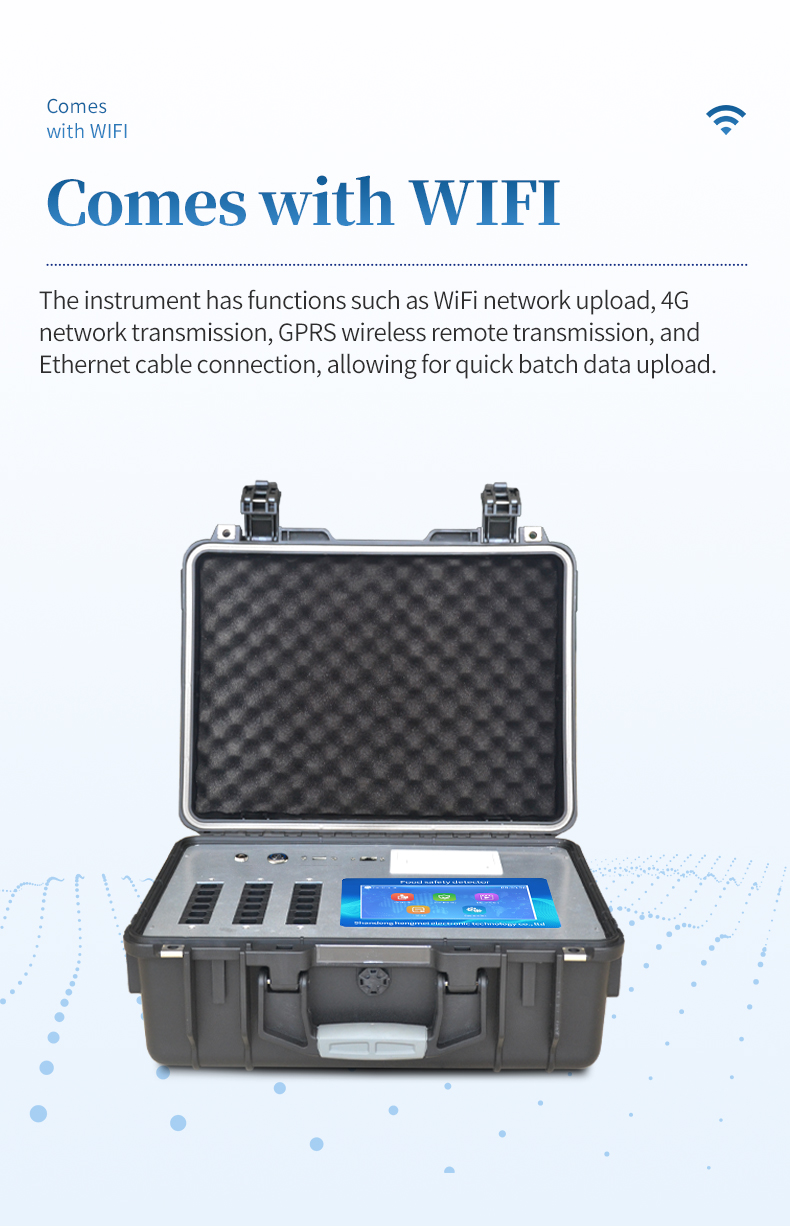
- USB 2.0 and Ethernet data interfaces supporting direct export of test records to laboratory information management systems (LIMS) or regulatory reporting platforms, eliminating manual transcription errors in the evidence chain.
- Compact benchtop chassis (43 × 35 × 19 cm, 5.1 kg net weight) with durable construction for transport between fixed laboratory and field inspection deployments without recalibration drift.
- User-expandable test item library allowing regulatory laboratories to add new analyte parameters and custom calibration curves as national food safety standards are updated or new contaminant monitoring requirements emerge.
- Wide detection range coverage for key regulatory parameters: pesticide inhibition rate (0–100%, 5% detection limit), formaldehyde (0–100 mg/kg, 1 mg/kg detection limit), nitrite (0–100 mg/kg, 1 mg/kg detection limit), sulfur dioxide (0–100 and 0–500 mg/kg ranges), sodium formaldehyde sulfoxylate (0–500 mg/kg), protein (0–50%), and lead (0.5 mg/kg solid, 0.2 mg/L liquid).
- Standardized sample preparation protocols pre-loaded in the instrument software, ensuring that different regulatory inspectors across different regions follow identical extraction, dilution, and measurement procedures for inter-comparable results.
- Packaged weight of 9.1 kg including instrument, power supply, starter reagent kit, cuvettes, and documentation—providing a complete regulatory inspection deployment package for new agency onboarding.
Technical Specifications
| Parameter | Specification |
|---|---|
| Model | HM-GS300 |
| Detection Channels | 24 channels, independent simultaneous reading |
| Light Source | 4-wavelength cold light source (410/520/590/630 nm), optical path switching up to 64 equivalent wavelengths |
| Test Items | 200+ items across 14 detection categories |
| Processor | ARM Cortex-A7 RK3288 quad-core, 1.88 GHz |
| Display | 10-inch color touchscreen |
| Data Storage Capacity | 200,000 records |
| Power Supply | AC 100–240V 50/60Hz; DC with 6 Ah built-in rechargeable lithium battery |
| Battery Runtime | Approximately 6 hours continuous field operation |
| Data Export Interfaces | USB 2.0, Ethernet |
| Dimensions (L × W × H) | 43 × 35 × 19 cm |
| Net Weight | 5.1 kg |
| Packaged Weight | 9.1 kg |
| Operating Temperature | 5 ℃ to 40 ℃ |
| Operating Humidity | 15% to 80% RH (non-condensing) |
| Language Support | Chinese, English |
Detection Limits and Ranges — Key Regulatory Parameters
| Test Item | Detection Limit | Detection Range |
|---|---|---|
| Pesticide Residue (Inhibition Rate) | 5% | 0 — 100% |
| Formaldehyde | 1 mg/kg | 0 — 100 mg/kg |
| Nitrite | 1 mg/kg | 0 — 100 mg/kg |
| Sulfur Dioxide | 1 mg/kg | 0 — 100 mg/kg |
| Sulfur Dioxide (High Range) | 5 mg/kg | 0 — 500 mg/kg |
| Sodium Formaldehyde Sulfoxylate | 5 mg/kg | 0 — 500 mg/kg |
| Protein | 0.5% | 0 — 50% |
| Borax | 5 mg/kg | 0 — 100 mg/kg |
| Hydrogen Peroxide (Low Range) | 5 mg/kg | — |
| Hydrogen Peroxide (Mid Range) | 10 mg/kg | — |
| Hydrogen Peroxide (High Range) | 100 mg/kg | — |
| Nitrate (Low Range) | 10 mg/kg | — |
| Nitrate (High Range) | 40 mg/kg | — |
| Heavy Metal — Lead (Solid Sample) | 0.5 mg/kg | — |
| Heavy Metal — Lead (Liquid Sample) | 0.2 mg/L | — |
Regulatory food inspection typically follows a tiered workflow: annual or quarterly surveillance planning identifies high-risk food categories, production regions, and distribution channels for prioritized sampling. During field execution, inspectors collect samples following standardized protocols (e.g., China's GB/T 30642 sampling guidelines), document chain of custody, and either test on-site with portable instruments or submit to a fixed laboratory. The HM-GS300 supports both modes: in field configuration, the instrument enables immediate on-site screening at markets, restaurants, and production facilities, allowing inspectors to make real-time administrative decisions—issuing temporary closure orders or detaining suspect product pending confirmatory analysis. In laboratory configuration, the HM-GS300 serves as a high-throughput pre-screening workstation, processing incoming samples across multiple categories and triaging presumptive positives for confirmatory instrumentation. The 200,000-record database captures the complete metadata chain linking sample collection documentation to analytical results, supporting the evidence requirements of administrative penalty proceedings. Agencies can configure the instrument's user roles to match their organizational hierarchy—field inspectors operate with test-execution-only privileges, while laboratory supervisors manage calibration, threshold configuration, and database administration.
Sampling protocol selection depends on the food matrix, the target analyte, and the regulatory purpose of the inspection. For fresh produce undergoing pesticide residue screening, inspectors should follow a stratified sampling approach: collect multiple units from different positions within a lot (top, middle, bottom of a crate; outer and inner layers of a display), composite the samples by homogenization, and extract following the enzyme inhibition method protocol. For meat products tested for nitrite or borax, samples should be drawn from both surface and interior tissue, with particular attention to visibly treated or preserved surfaces where adulterants may be concentrated. For liquid samples—edible oils tested for peroxide value or acid value, beverages tested for artificial sweeteners—thorough mixing before aliquot withdrawal is essential. For dry goods such as grains and flour tested for heavy metals or mycotoxins, the sampling plan should account for the heterogeneous distribution of contaminants by compositing multiple sub-samples from throughout the consignment. The HM-GS300's onboard software includes matrix-specific sampling guidance notes accessible from the test selection screen, and the standard operating procedure documentation provided with the instrument details the recommended sample mass, extraction solvent volume, incubation time, and dilution factor for each test item and matrix combination.
Borderline results—measurements that fall within the instrument's measurement uncertainty range of the applicable regulatory limit—require a defined decision protocol to ensure both consumer protection and procedural fairness to food business operators. The recommended approach, consistent with CAC/GL 83 guidelines on measurement uncertainty in regulatory testing, involves: (1) repeating the analysis on a fresh aliquot of the same sample extract to rule out random measurement error; (2) if the repeat result also falls in the borderline zone, preparing a new extract from a retained portion of the original sample and analyzing in duplicate; (3) documenting all replicate measurements, the calculated mean, and the associated standard deviation; (4) applying the measurement uncertainty budget established during the instrument's validation—if the mean result plus the expanded uncertainty interval (typically k=2, 95% confidence) exceeds the regulatory limit, the finding is reported as non-compliant; if the expanded interval spans the limit without clearly exceeding it, the result is classified as inconclusive and the sample is referred for confirmatory laboratory analysis. The HM-GS300's multi-channel capability is advantageous in this context, as replicate analyses can be set up simultaneously in adjacent channels under identical conditions, minimizing between-run variability.
Proficiency testing (PT) is a core requirement of ISO/IEC 17025 laboratory accreditation, demonstrating that a laboratory's analytical system produces results comparable to peer laboratories analyzing the same test materials. The HM-GS300 supports PT participation through several design features: standardized calibration protocols ensure that the instrument's photometric response is consistent across measurement sessions and operators; the automated wavelength verification and channel blank calibration routines reduce operator-dependent variability; and the instrument's raw data export capability allows PT providers to evaluate not only the final reported result but also the underlying absorbance measurements and calibration curve parameters. For inter-laboratory comparison programs organized by China's National Center for Food Safety Risk Assessment or provincial CDC laboratories, participating laboratories using the HM-GS300 should: (1) treat PT samples identically to routine samples, following the same extraction and measurement protocols; (2) document all steps including reagent lot numbers, calibration standard preparation, and environmental conditions; (3) report results with the associated measurement uncertainty estimate derived from the instrument's validation data and accumulated quality control chart data. The consistency of the HM-GS300's 4-wavelength optical system and automated calibration routines across instruments contributes to favorable between-laboratory comparability in multi-participant PT rounds.
The HM-GS300 incorporates a layered data integrity architecture designed to support the evidentiary requirements of regulatory enforcement actions. At the data acquisition level, each test record captures the complete measurement data package: operator login ID (enforced at instrument startup), sample identification string, batch or lot reference, selected test item and method, wavelength-specific absorbance readings, applied calibration curve identifier and version, calculated concentration or inhibition rate, pass/fail determination against configured thresholds, and a system-generated UTC timestamp. At the database management level, the instrument implements role-based access control: routine operator accounts can execute tests and view historical records within their own session but cannot delete or modify records; supervisor accounts can review all records, generate reports, and manage calibration; administrator accounts can configure user roles, audit trail settings, and database backup functions. All changes to instrument configuration—calibration curve updates, threshold modifications, new test item additions—are logged in a separate audit trail with the operator ID, timestamp, previous value, and new value recorded. Records exported via USB or Ethernet for LIMS ingestion retain the original instrument-generated metadata. While the HM-GS300 does not implement full 21 CFR Part 11 compliant electronic signatures (a feature reserved for higher-tier laboratory platforms), its data integrity features provide a robust foundation for the administrative and evidentiary documentation requirements of routine food safety regulatory enforcement.
Calibration frequency for the HM-GS300 should be guided by a combination of manufacturer recommendations, regulatory requirements, and the laboratory's or agency's own quality control data. HM Instruments recommends: (1) daily blank calibration at instrument startup, which the HM-GS300 performs automatically across all optical channels; (2) standard reference verification at the beginning of each testing session using the provided certified reference materials for the parameters being tested that day; (3) at minimum, running one quality control standard every 20 samples during continuous operation; (4) formal calibration curve verification using multi-point standard series at intervals not exceeding three months, or whenever QC chart data indicate a trending deviation; (5) full re-calibration following any instrument transport between facilities, major software update, or component service. The instrument's built-in QC verification module prompts the operator to run standards at the configured interval and automatically plots results on control charts—Westgard rules or simple Shewhart rules can be configured for automatic QC failure flagging. Wavelength accuracy verification using the provided holmium oxide or didymium filter can be performed quarterly. For laboratories operating under ISO/IEC 17025 accreditation, the calibration schedule and acceptance criteria should be documented in the laboratory's quality manual, and calibration records—including standard traceability certificates—should be maintained as part of the technical records.
Article address:https://www.hmfoodtesting.com/spaq2/regulatory-food-inspection-analyzer.html