

 Current
location:
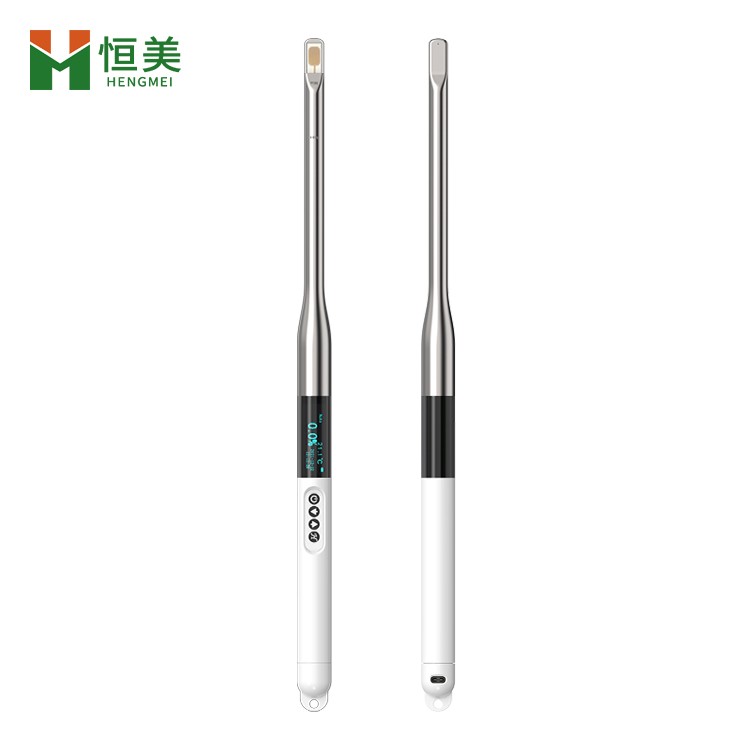
Frying oil trends become useful when each reading can be tied to the same fryer, comparable conditions and a documented oil history. Record fresh fills, top-ups and replacements. A lower reading after a top-up can reflect the mixture of fresh and used oil, so keep that event with the measurement.
Standardize how and when you measure
Choose a consistent point in the shift and use the operating conditions specified for the meter and oil. Follow the probe instructions for immersion, waiting time and handling around hot oil. Check whether food particles, water, vigorous bubbling or contact with the fryer wall could interfere with the reading. Document any period in which normal measuring conditions could not be achieved.
Investigate a sudden change
Review the oil type, temperature, vat identification and recent production before deciding how to respond. Inspect the sensor and clean it as specified before a justified repeat. Keep the first reading and the repeat together with the reason for repeating. Apply the kitchen’s oil-change policy and applicable method limits.
Keep a record the next shift can use
Record fryer ID, oil type, time, reading, relevant conditions and action taken. When configuring HM-SYP from HENG MEI Intelligent Manufacturing, choose a verification routine and a log format that fit your kitchen or production line.
Shandong Hengmei Electronic Technology Co., Ltd.
Explain changes in a fryer trend
Start with the oil history when a reading changes abruptly. Record top-ups, oil changes, filtering, food type and the time since the last frying cycle. Use the device's approved immersion and temperature conditions and avoid taking a reading while the measurement is affected by contact with the vat or vigorous bubbling. When conditions are restored, retain the original observation and time with the repeat. Comparing different vats requires compatible settings and suitable operating conditions for both measurements.
Check the calculation before reporting
Six fryers checked twice a day produce 12 routine observations. Over seven days that is 84 records before repeats. A log with separate fields for time, fryer, oil, temperature where required, reading and action helps distinguish a real trend from a change of oil or shift.
Troubleshooting and result review
How should a fryer reading after a top-up be interpreted?
Record the amount and timing of the addition alongside the reading. Recheck under the defined monitoring conditions before comparing with readings taken before the addition.
Keep the original result and control readings with the repeat. Record the cause investigated and the disposition of the lot so the next reviewer can reconstruct the decision.
Prepare the batch and establish the decision basis
Before measuring frying oil quality, review the incoming list for used oil in production fryers and commercial kitchens. Match every item to the approved method and assign an identifier that stays with the prepared portion through transfer and measurement. Agree on the defined total polar materials action level and suitable measuring conditions and confirm who may release the result. Prepare a tray or worklist that distinguishes routine samples, controls and repeats. A complete batch plan also tells the operator which specimens can be run together and where the sample or original package must be retained for later review.
Set out fresh and used oils spanning the range encountered during service and keep controls identifiable through preparation. Confirm the instrument programme, current reagent or reference material identity and the test conditions before loading samples. Record oil temperature, immersion position and the time since a top-up. With a time-dependent procedure, start each group only when the operator can complete reading within the defined window. Keep an observation field for changes during preparation, such as unusual sample appearance, transfer problems or a departure from the planned handling conditions.
Follow the sample through preparation and measurement
| Check | Evidence to retain |
|---|---|
| Before preparation | Confirm sample identity, matrix and suitability for the defined total polar materials action level and suitable measuring conditions. |
| During preparation | Preserve the sample ID and record oil temperature, immersion position and the time since a top-up. |
| Before interpretation | Review fresh and used oils spanning the range encountered during service first and identify a reading taken during vigorous bubbling or under unsuitable temperature conditions. |
| At report review | Check the method, original reading, result basis and any follow-up prompted by an oil addition, probe fouling or an inconsistent measurement position. |
When an aliquot is prepared or transferred, record the receiving container or position. If two results need comparison, check whether they came from two independently prepared portions or two readings of the same prepared portion. These observations help locate variation at different stages of the work. Keep original values and preserve any separate sample mass, volume, units and correction factors. If the instrument already applies a factor automatically, record that setting with the reading so the reviewer can reproduce the reported value.
Decide whether to stop, repeat or confirm
When you see a reading taken during vigorous bubbling or under unsuitable temperature conditions, pause the affected result and assess the controls and handling first. Review the timing and operator notes before adding another measurement. If the problem is systematic, such as reagent condition or a failed preparation control, identify all samples affected since the last acceptable check. Follow the batch procedure for recovery and retain the original results. When an individual specimen is unsuitable, record why the specimen was rejected or resampled, and keep it tied to the incoming lot record.
To investigate an oil addition, probe fouling or an inconsistent measurement position, review sample preparation and instrument conditions in order. A repeat of the same prepared portion can help assess repeatability of the reading. A fresh preparation can explore weighing, transfer or preparation variation. Select the type of repeat according to the problem and document the reason before starting. Where the decision requires a separate confirmatory method, prepare the retained portion for that method and preserve identification through the transfer. A valid unexpected result should remain visible through investigation and disposition.
Release a report that can be reviewed later
Write the result with the sample and lot identity, the method and its relevant units, and any exception or repeat decision. Report oil temperature, immersion position and the time since a top-up in the worksheet when those details affect interpretation. Retain the control response and associate it with the samples that shared it. The report should enable a supervisor to determine whether the method covered the material examined and whether the applicable decision criteria were met. Use consistent units and record how any calculation was applied before comparing a result with a purchase or process specification.
For repeated batches, review trends in operator time, verification materials and probe care along with the rate of invalid tests, repeat work and delayed decisions. This can identify whether delays arise from preparation, measurement, consumables or report review. Train another operator to reconstruct a past batch from the original information and investigate a reading taken during vigorous bubbling or under unsuitable temperature conditions. Where a step cannot be reconstructed, improve the record at the point where the work takes place. The resulting worksheet is useful for training, follow-up with suppliers and review of process changes.
Review the first results after a method change
When a new reagent lot, preparation procedure or instrument setting is introduced, review its effect on frying oil quality before comparing the results with earlier batches. Keep records from both working conditions, including fresh and used oils spanning the range encountered during service. Choose material near the decision level as well as routine specimens so changes can be assessed where the results matter. Document the reason for the change and who accepted the revised sequence.
During the transition, compare raw readings and preparation notes rather than relying only on the final outcome. Check oil temperature, immersion position and the time since a top-up and make sure any comparison uses the same units and sample basis. If the results no longer support the defined total polar materials action level and suitable measuring conditions, hold the affected interpretation for method review and retain the original record.
Address of this article:https://www.hmfoodtesting.com/article/build-a-repeatable-frying-oil-monitoring-routine.html
 Return to List