

 Current
location:
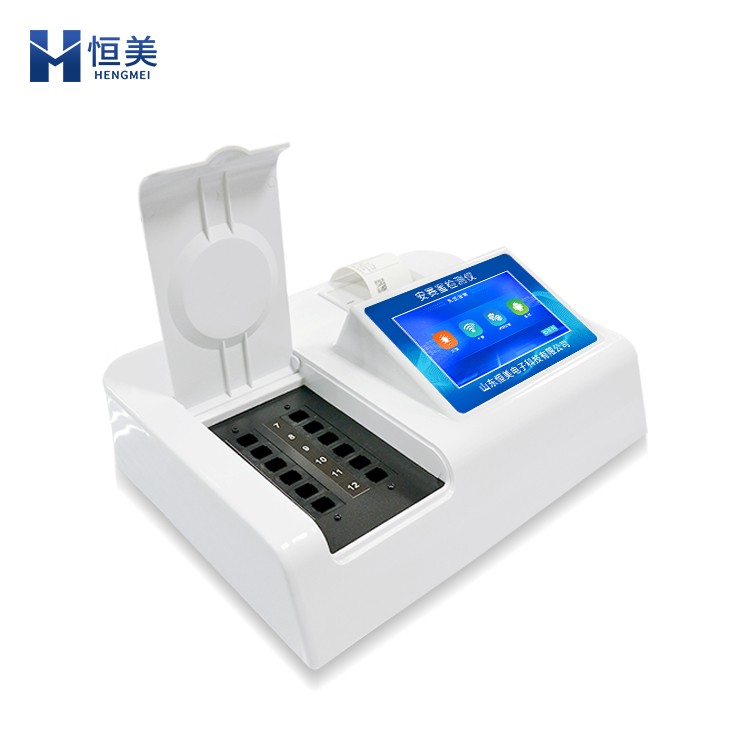
A beverage quality team can use an acesulfame potassium detector within a documented testing process to monitor a formulation and investigate unexpected results. The solution starts at the production line, with a sampling plan tied to identifiable batches. It continues through method selection, control review and a decision rule understood by the laboratory and production teams. The specific method and its suitability for each beverage must be established before the instrument is used for routine decisions.
Set the test around the production question
A beverage plant may need to check an incoming ingredient, monitor a blending operation or review a finished product before release. Each task involves a different material and potentially a different expected concentration. Write a separate sample description and specification for each task. Identify the relevant product code, production batch, destination market, internal target and person authorized to release or hold the batch.
Where a formulation contains acesulfame potassium alongside other sweeteners, the laboratory needs a method capable of addressing the individual target in that matrix. Ask for evidence of the method's scope and potential interference from the ingredients in the actual product. If the recipe changes, reassess whether the original method and control materials still represent the current beverage. A familiar instrument does not remove the need to review a changed formulation.
Agree on sample points with production
Draw the path from blending through filling and identify where a sample can answer the intended question. A sample collected from one container can describe that container under the test conditions. A conclusion about the whole production batch requires a sampling plan appropriate to the batch and its variability. Record the points, times and number of units selected under the plant's procedure, and retain the connection to the batch record.
Prepare labels before collection and use identifiers that remain with the sample through testing. The laboratory record should capture the product, batch, sample point, collection time and collector, along with relevant handling information. If a sample is transferred, mark the new container immediately and link it to the original. When samples arrive from several filling lines at once, separate them by batch and reconcile the number received against the collection list.
Select a method for the actual beverage
Clear and colored beverages, products with suspended material and formulations with different acids or flavors can behave differently in an analytical procedure. Review the method's intended sample types, working range, required preparation and listed interferences. Compare the expected concentration with the method's validated range and check whether the final reporting unit matches the plant specification. Where the intended product is outside the documented scope, complete the laboratory's verification process before using the method routinely.
A practical evaluation includes several representative production samples and relevant controls. Select products that cover the range of colors and formulations used by the plant. Include samples near the decision boundary if suitable material is available. Agree on the comparison method and acceptance criteria in advance. Document the sample handling and preparation for both methods so a discrepancy can be investigated without guessing which step changed.
Prepare the daily testing sequence
Before a batch begins, list the samples and control positions on a worksheet or in the laboratory system. Verify that the current method, approved supplies and equipment are available. Assign a visible status to each sample as it moves from receipt to preparation, measurement and review. If a second operator takes over, reconcile the physical samples and records and identify the next step. A good handover reduces the chance of reporting a correct measurement against the wrong batch.
Use the calibration and quality controls required by the method. Record the control identity and result with the run, and apply the established acceptance criteria before releasing sample results. A failure can affect more than the most recent sample. The procedure should identify who assesses the scope, how affected material is held and what evidence is needed before testing resumes. Keep the original records when an investigation leads to a repeated run.
Keep units and dilution factors visible
Set the reporting unit in the specification and verify it on the instrument output and worksheet. If a sample preparation introduces a calculation factor, preserve the original measurement, factor and final value. For example, a measured value of 30 milligrams per liter with an applicable factor of four gives a reported value of 120 milligrams per liter in the original beverage. The reviewer should be able to reproduce the calculation from the record.
A product specification expressed per kilogram requires the appropriate basis for comparison with a result expressed per liter. The laboratory should use the calculation and supporting data specified by its method and quality system. Record the basis alongside the result so that a value cannot be copied into a product record with a different unit or material description. Review automated transfers and manual entries for the same issue.
Investigate an out-of-trend result
Start with identity and analytical validity. Confirm the product code, batch, sample point, control status, instrument record and preparation entries. Compare the result with other samples from the same production sequence and with the recent history of the same formulation. An isolated result may call for a different investigation from a change affecting several samples or an entire shift. Document what is observed before assigning a cause.
Choose the next test according to the quality plan. A repeat reading of an existing preparation examines the measurement step. A fresh preparation from retained sample material includes additional preparation variation. A new production sample answers a different question about the material available at that later point. Record which material was used and keep the initial result linked to the investigation. If the method or agreement calls for confirmation, route the sample to the designated laboratory and record the result status.
Coordinate the laboratory and production response
Define the point at which a result becomes a production decision. An internal warning level can trigger a review of the blend and filling records before a contractual or regulatory limit is reached. The plant should establish the warning level from its method performance, product specification and risk assessment. Staff should know who can place a lot on hold, who communicates with the next shift and who approves release after the review.
For illustration, a plant may collect samples at several points in a filling run and find that the last sample differs from the earlier results. The team can hold the identified production interval, review the collection and control records and follow the established repeat procedure. If the discrepancy is confirmed, the batch and equipment records help determine whether the scope extends beyond the final interval. The decision and its evidence should be available to quality management and the affected production team.
Maintain the program when products change
Review the method and sampling plan when ingredients, suppliers, packaging or target markets change. Track control performance and investigation frequency over time. If repeated transcription errors appear, revise the worksheet or data transfer and train the operators who use it. If the peak workload exceeds laboratory capacity, adjust the schedule or staffing using measured batch times and the plant's release deadlines.
HENG MEI Intelligent Manufacturing is the brand of Shandong Hengmei Electronic Technology Co., Ltd. When requesting an acesulfame potassium detector for a beverage line, share the formulations, expected concentrations, sample schedule and reporting requirements. Evaluate the proposed equipment and test supplies with representative products so the resulting workflow fits the plant's quality decisions.
Address of this article:https://www.hmfoodtesting.com/article/acesulfame-potassium-detector-solutions-for-beverage-quality-control-heng-mei-intelligent-manufacturing.html
 Return to List