

 Current
location:
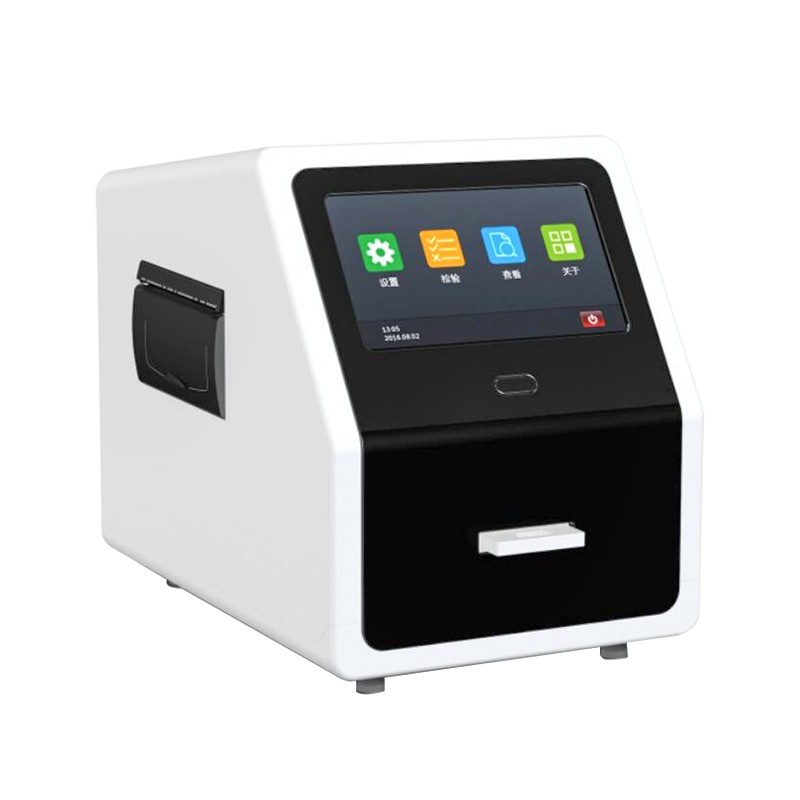
A dairy farm can use a milk somatic cell counter to follow changes in individual animals and support a structured herd health conversation. The practical solution combines identified samples, a consistent collection schedule, reliable measurement controls and a clear response when a result needs attention. Bulk tank monitoring complements individual records by showing the condition of combined milk at a different point in the workflow.
Define the farm's questions first
Before choosing the testing schedule, decide which questions the farm needs to answer. The herd manager may want to identify animals whose counts have changed, check whether an intervention is followed by a sustained trend, or investigate a change in bulk tank results. A buyer may also require a particular sampling or reporting process. Write down who needs each result, when it is needed and what action the farm has agreed to take.
Individual animal and bulk tank results should have separate records. A bulk result describes milk combined in the tank under the conditions of collection. It cannot identify the animal responsible for a change. Individual results can help narrow the investigation, but an elevated count by itself does not identify an organism or establish a diagnosis. The farm's veterinarian should interpret health information in the context of the animal and recommend clinical follow-up.
Set a workable sampling schedule
Choose a schedule that staff can carry out consistently and record deviations. Link each sample to an animal identifier or tank reference and collection date. If the farm works with an external laboratory or buyer, follow the agreed collection and transport instructions. Samples taken at different points or handled under different conditions can produce results that are difficult to compare, even when the same counter is used.
Prepare the sample labels and record sheet before collection begins. Include the information required by the farm's procedure, such as the collector and the reason for an additional sample. If a routine collection is missed, leave a clear gap in the record and record why. A missing observation must remain distinguishable from a measured value. This practice keeps trend charts meaningful when staff review several months of data.
Protect the identity and condition of each sample
Use suitable containers and follow the collection method for mixing, handling, storage and delivery to the testing location. Confirm any preservative and transport requirements with the laboratory or method provider. At the bench, match the label against the list before beginning. If a container is damaged or an identifier cannot be reconciled, place the associated result on hold and apply the farm or laboratory's documented exception process.
Separate samples waiting for measurement from completed samples. A rack with a written position map can help an operator keep a large group in order. When the operator leaves the bench, mark the last completed position and record any applicable handling limit. During a handover, both staff members should reconcile the containers and the worksheet. The purpose is to make the next action clear without depending on memory.
Run the counter as part of a controlled process
Use the current instructions for the counter and its consumables. The HM-TXB product information describes fluorescence imaging and a dual-chamber review. Ask for the documentation for the supplied configuration and confirm its suitability for the milk and operating conditions on the farm. Provide staff with a written procedure that covers setup, sample identification, control checks, measurement, record entry and cleaning or maintenance required by the manufacturer.
Run the controls at the frequency specified in the applicable method and quality plan. Record the control identity, result and decision before releasing the associated sample results. If a control fails, stop reporting the affected group until the issue is resolved under the procedure. The operator should know who can approve the return to service and how to document any repeat measurement. Keep these records available with the batch so a later reviewer can understand its status.
Turn counts into a useful trend
Record the result with its units. A display that reports a value in thousands of cells per milliliter needs consistent conversion before it is combined with records in cells per milliliter. For example, 250 expressed in thousands of cells per milliliter corresponds to 250,000 cells per milliliter. Retain the original display value and unit with any converted entry, especially when results are transferred manually.
Compare results from the same animal over time using the same sampling and reporting conventions where possible. Include calving and other herd events in the management record when they are relevant to the farm's review. A graph can make a sustained change easier to see, but the action point should be set with the veterinarian and reflect the farm's objectives. Review a surprising value against the sample identity, control status and previous records before taking the next step.
Respond to an unexpected increase
Start by confirming which sample and date the result represents. Check whether the control was accepted and whether the sample was collected and handled according to the procedure. If the value remains a concern, follow the agreed protocol for a repeat sample or other investigation. Record whether the repeat uses the retained material or a newly collected sample, because those choices examine different stages of the process.
Share the relevant trend and herd observations with the veterinarian. The veterinarian may consider clinical findings and other tests when determining the cause and appropriate response. Keep the initial result and follow-up information together rather than replacing the first value in the record. A complete history helps the farm assess whether the same pattern occurs again and whether changes to the management plan are needed.
Use bulk results to guide a wider review
If a bulk tank count rises, first check the tank identifier, collection and handling record, and control status. Review the sequence of results for that tank and note any changes in collection or delivery. Then use the individual animal records and the farm's established herd health process to decide what additional information is needed. A bulk result provides a reason to investigate the combined milk, while individual samples help locate changes within the herd.
For example, a farm may observe an increase over three successive tank samples. The team can verify that the same sampling procedure was used each time, check whether any samples were flagged at receipt and review available individual trends with its veterinarian. If collection conditions changed during the period, document that change alongside the results. This prevents a trend review from relying on numbers without the circumstances in which they were produced.
Plan supplies and staff handovers
Estimate supplies from the expected number of samples, controls and repeats, then account for the supplier's packaging and storage instructions. Review expiry dates when stock arrives and use a traceable inventory system. Keep the counter's maintenance instructions and the farm procedure accessible to all trained operators. A small reserve can help the farm continue its schedule during ordinary delivery variation, provided supplies remain within their approved use period.
HENG MEI Intelligent Manufacturing is the brand of Shandong Hengmei Electronic Technology Co., Ltd. A farm considering the HM-TXB milk somatic cell counter can share its herd size, sample schedule, reporting needs and operating environment with the supplier. Evaluate the proposed counter and consumables using representative samples, then document the routine workflow with the staff who will collect, test and review them.
Address of this article:https://www.hmfoodtesting.com/article/milk-somatic-cell-counter-solutions-for-dairy-farm-monitoring-heng-mei-intelligent-manufacturing.html
 Return to List