

 Current
location:
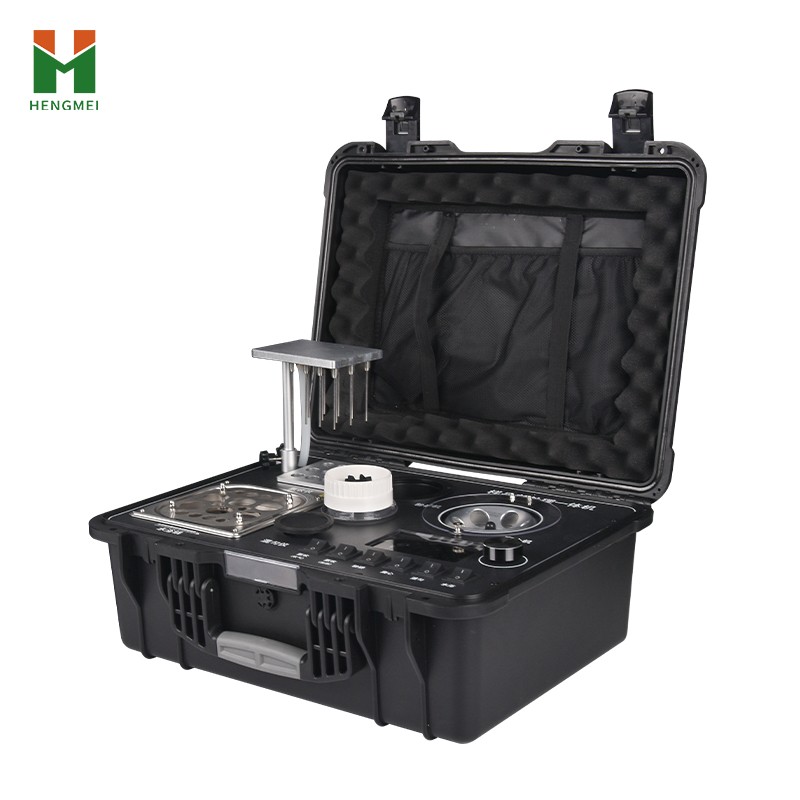
Produce screening teams need a preparation workflow that can accommodate different sample types while preserving the identity and handling history of every portion. Integrated food sample preparation equipment can support that workflow when its functions and accessories match the selected methods. Start by mapping the samples, decisions and staffing pattern. Then arrange the work so each batch moves through documented preparation, measurement and review without losing its link to the original lot.
Build the workflow around a receiving decision
A produce distribution center may receive leafy vegetables, fruit and root crops from several suppliers in the same morning. The quality team must know which deliveries require testing, when a decision is needed and where material will be held while the result is pending. Establish those conditions with receiving staff before the testing team designs its bench layout. A result is useful only when it can be associated with the right delivery in time for the agreed decision.
Use a receiving identifier that travels with the sample and appears on the worksheet. Record the supplier, product, lot or delivery reference, collection time and sampling location where applicable. Distinguish a sample from a test portion taken from that sample. If several portions are prepared for different tests, each needs its own identification while retaining the common sample reference. This relationship lets reviewers trace an individual measurement back to the delivery.
Choose preparation methods by matrix and test
Produce differs in texture, water content, surface characteristics and composition. The chosen analytical method defines the preparation needed for its target and intended matrix. A screening procedure suitable for one commodity cannot automatically be applied to every fruit or vegetable handled at the receiving dock. Review the method's instructions and applicability before adding a new sample type. Where necessary, compare performance using representative material under the laboratory's validation or verification plan.
List the functions required across the approved methods, such as mixing or separation, and identify the containers and accessories needed at each stage. An integrated unit may place several functions in one area, but the exact configuration must be checked against the task. Verify operating ranges, container compatibility, physical capacity and cleaning instructions for the offered unit. Keep separate method instructions available to the operator so the presence of a function does not become a reason to use it in an unsuitable procedure.
Organize the bench into clear work zones
Provide a place for incoming identified samples, a preparation area, a position for prepared material awaiting measurement and a location for completed batches. Mark the sample flow clearly enough that another operator can understand it during a handover. Keep records and labeling materials close to the point at which a new container is created. An identifier copied after several containers have accumulated is harder to reconcile than one applied as each portion is prepared.
For a small laboratory, zones can be defined by trays or marked areas rather than by separate rooms. The arrangement must still fit the method and the facility's requirements. Consider access for cleaning, the location of consumables and the space needed to place a rack without obscuring identifiers. If the integrated equipment is shared with another team, reserve a schedule for receiving peaks and define how the equipment's condition is checked before the next batch.
Plan a batch before opening the samples
Prepare a batch record with the expected samples, control positions and method. Check that the necessary containers, supplies and approved equipment are available. If ten deliveries are scheduled for screening, assign ten identifiable sample positions and the control positions required by the method. Leave space to record a repeat or an exception without changing the identity of the original result. An operator should be able to see which position is next and which stage each sample has reached.
Keep samples from different preparation batches distinguishable if work overlaps. A delay at one station can otherwise create a row of similar containers whose order is no longer obvious. At a handover, reconcile the physical containers against the worksheet and record the next required step. If a sample cannot be confidently identified, place the associated result on hold and follow the laboratory's procedure for resolving the discrepancy.
Apply controls where they can answer a question
Use the controls specified by the method and quality plan. Their purpose may include checking the preparation process, the measurement step or both. Record their identities, preparation batch and results alongside the samples they represent. The decision rule should say what happens if a control falls outside its acceptance criteria. Staff can then hold the affected results and investigate before the receiving team acts on them.
When a result needs investigation, determine whether a repeat reading, a new preparation from retained material or a new sample is appropriate. Each option examines a different part of the process. Document the reason for the choice and retain the initial result in the investigation record. For a screening result that requires confirmation, use the laboratory's established referral and confirmation procedure and communicate the status of the lot clearly to the decision maker.
Prevent cross-contact between samples
Set out the cleaning and inspection steps required between samples or batches in the procedure. Identify the parts that contact sample material, the approved cleaning approach and the condition in which an accessory must be replaced. Staff should be able to see whether the work area is ready before a batch begins. Where dedicated accessories are used for particular stages or materials, label and store them so their intended use is clear.
Record deviations as they occur. If material is spilled or a container is found open, note the samples potentially affected and the action taken. The review should establish whether the issue affects only a single portion or a wider batch. Maintain the link between an investigation and the released result so a later reviewer can understand why a sample was repeated, held or accepted.
Fit capacity to the delivery schedule
Measure capacity during the busiest realistic receiving period. Suppose thirty deliveries arrive over three hours and the laboratory processes samples in batches of ten. The team needs enough time for three complete preparation sequences, the required controls and movement to the measurement station. A plan based only on the rated number of equipment positions leaves out labeling, setup and review. Track those times during a representative trial and revise the staffing plan if samples accumulate at one station.
Also define a response for unexpected demand. The response might involve prioritizing products according to a documented risk plan, extending the decision window or routing some samples to another qualified laboratory. Agree on the rule in advance with receiving and quality management. A written escalation path prevents individual operators from having to improvise a commercial decision when the queue grows.
Review results and improve the process
At the end of each batch, reconcile the number of samples received, prepared, tested and reported. Investigate missing identifiers, unresolved repeats and control failures before closing the batch. Periodically review turnaround time by stage and look for recurring causes of delay. A bottleneck in sample receipt calls for a different change from one caused by limited preparation capacity or a slow result review.
HENG MEI Intelligent Manufacturing is the brand of Shandong Hengmei Electronic Technology Co., Ltd. When selecting food sample preparation equipment for a produce screening program, share the approved test methods, food groups, expected batch sizes and work environment. Use those details to evaluate the proposed configuration and accessories with the staff who will run the process. A well-defined workflow connects the equipment to the receiving decision and makes each result easier to trace.
Address of this article:https://www.hmfoodtesting.com/article/food-sample-preparation-equipment-for-produce-screening-workflows-heng-mei-intelligent-manufacturing.html
 Return to List