

 Current
location:
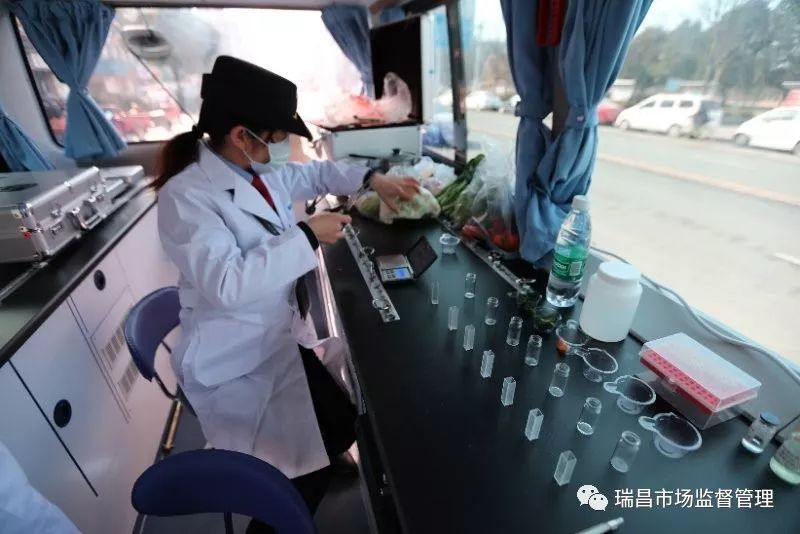
A mobile food testing vehicle can support a wholesale produce market by bringing a defined screening workflow close to incoming products and trading areas. The operating team needs a plan for sample selection, identification, testing, communication and laboratory referral. Vehicle configuration and test capability should be specified for the actual market program, the food matrices encountered and the methods approved by the organization responsible for the work.
Agree on the market's operating purpose
Before a vehicle arrives, market management and the testing organization should agree on the products to be sampled, the time available and who receives results. A program may monitor selected produce categories, investigate a specific concern or provide information to suppliers as part of an internal quality initiative. The purpose affects how samples are selected and what action follows a result. Official inspection or enforcement requires the methods and authority applicable to that jurisdiction.
List the expected daily volume and peak trading hours. Identify a suitable parking and working location that allows staff to move samples without interrupting traffic. Confirm access to the utilities and operating conditions required by the selected equipment. The team should also know where to send samples that cannot be analyzed on site or require confirmation under the program's procedure.
Prepare a sampling plan for the market
Define the units or locations from which samples will be selected and how the selection is recorded. A sample from one stall or container provides information about that selected material. Broader conclusions about the market require a sampling design appropriate to that broader question. Record the product, source, lot or delivery information where available, collection time and collector. Use the same identifier on the sample and the field record.
For a morning visit, the team may plan to collect samples from several produce groups during the busiest receiving period. The plan should say how to handle a product that arrives after the planned collection window, a vendor whose lot identity is unclear or a sample that cannot be collected under the method. These exceptions are part of the field record and help the program interpret its coverage later.
Organize the vehicle around a controlled flow
Assign areas for sample receipt, material awaiting preparation, prepared samples awaiting measurement and completed records. The exact arrangement depends on the vehicle and test equipment supplied. Provide a place to label each container at the point of transfer and a rack or tray that keeps sample positions visible. Avoid relying only on the order in which containers were placed on the bench. Each container needs an identifier that remains with it when it is moved.
Prepare a batch worksheet with sample and control positions. If several operators share the vehicle, assign responsibility for receiving, testing and reviewing records. At a handover, reconcile the samples present with the worksheet and note the next action. A brief written status prevents the incoming operator from having to infer whether a sample has already completed a step.
Use methods suitable for each product
Review the documented sample types, target substances, working range and interference information for every test on the menu. Produce varies in color, texture and composition. A method that works for one commodity may need separate verification before it is used on another. Staff should have the current instructions and a clear rule for declining or referring a sample outside the method's scope.
Follow the method and quality plan for control materials and equipment checks. Record the identity and result of each control alongside the batch it supports. If a control fails, hold the affected results and follow the documented investigation procedure. The team should know who can authorize a repeat and when the equipment can return to use. These decisions need to be made before the team faces a queue of vendors waiting for results.
Communicate a result with its status
A field report should identify the sample, test, result, units where applicable, date and the next action required by the program. If the method is used for screening and the program requires laboratory confirmation, state that status in the report and follow the referral procedure. Avoid presenting a preliminary observation as a final regulatory decision. The responsible organization should designate who communicates with the vendor and who maintains the official record.
For example, an internal market program may refer a sample for further testing when a screening result meets its review criterion. Staff record the original sample identifier, the reason for referral and the receiving laboratory's identifier. Market management applies the hold or other action defined in its own procedure while waiting for the next result. The precise response depends on the applicable agreement and legal requirements.
Protect the sample during referral
Before deployment, agree with the receiving laboratory on the sample container, identification, handling, storage and transport conditions. Record the time and condition at handover and retain the link between the field record and the laboratory request. If another sample must be collected, document how it relates to the first sample. A later sample may represent a different part of the lot or a different point in time, so that relationship matters when results are compared.
If a sample is damaged or its identity cannot be established, record the exception and follow the program's procedure for a replacement or closure. Keep the reason for any repeat or new collection with the case. The record should allow a reviewer to understand which material was tested at each stage and which result was used for the final decision.
Schedule the route and team
Build the visit around travel, setup, collection, preparation, measurement, review and reporting. Suppose the team plans twenty-four samples in three groups of eight. The schedule must also include the controls required for each group, any cleaning or changeover and time to discuss results with the designated market contact. Test the plan in a pilot using the actual staff and equipment, then record where delays occur.
Keep an escalation rule for a queue that exceeds capacity. The program may prioritize samples under an agreed risk plan or arrange laboratory referral. The rule should be established by the responsible organization and communicated to the staff collecting samples. Operators can then apply the same decision process across vendors and maintain a record of samples that could not be tested during the visit.
Review performance after each visit
Reconcile samples collected, accepted, tested, referred and closed. Review control failures, missing information and turnaround times. If the same problem appears repeatedly, change the relevant procedure, training or equipment arrangement and record when the change takes effect. Market management can use these records to schedule future visits and understand the coverage achieved by the program.
HENG MEI Intelligent Manufacturing is the brand of Shandong Hengmei Electronic Technology Co., Ltd. For a food testing vehicle intended for a wholesale market, provide the proposed test menu, sample volume, locations and reporting process. Request an itemized configuration and evaluate it with the operators who will carry out the field work. The equipment and layout should support the approved methods and the decisions the market program is authorized to make.
Keep the operating record available
Store the visit record where the field team and the responsible reviewer can retrieve it. Include the method versions, equipment identifiers and staff assignments for the day. When the organization changes the sampling plan, retain the effective date so that results from different visits can be interpreted in context.
Address of this article:https://www.hmfoodtesting.com/article/mobile-food-testing-vehicle-solutions-for-wholesale-produce-markets-heng-mei-intelligent-manufacturing.html
 Return to List