

 Current
location:
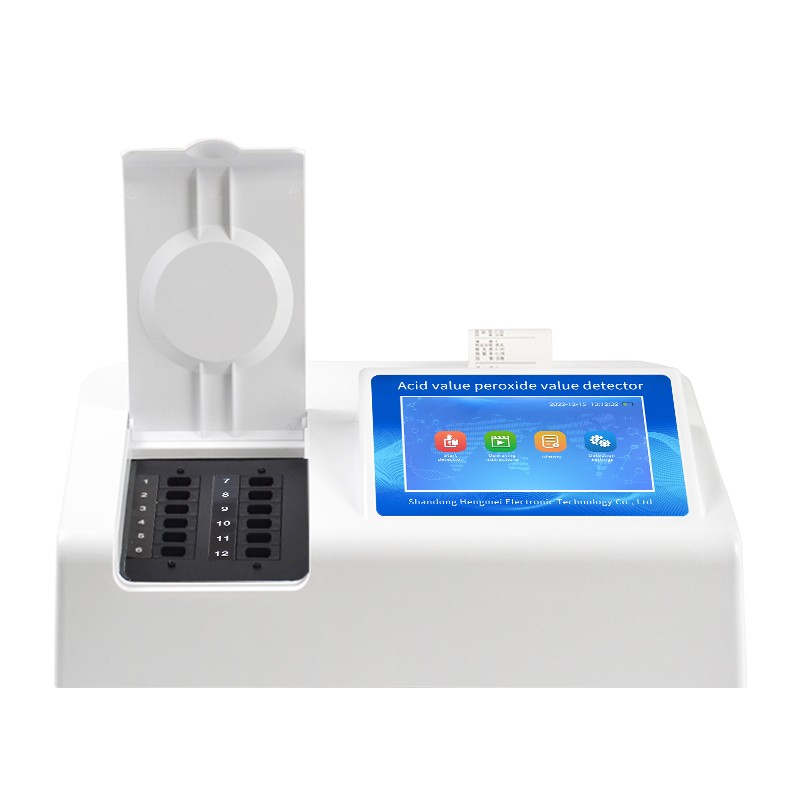
Edible oil buyers can use acid value and peroxide value testing to check incoming lots and investigate changes during storage or processing. The two results answer different questions and should be recorded separately. A workable receiving solution identifies each delivery, uses the methods required by the purchase agreement and keeps suspect material under the approved review procedure while the laboratory checks the result.
Translate the purchase specification into a worksheet
For each oil grade, record the target, unit, applicable method and decision rule. Acid value commonly uses milligrams of potassium hydroxide per gram. Peroxide value uses a separate oxidation-related basis defined by the method. The receiving worksheet should display the correct units next to the specification and result so staff do not compare values written on different bases.
Request the certificate of analysis and match its batch, oil type and method to the delivery before comparing results. Verified values for a different production lot do not resolve the current receipt. Where the supplier report uses free fatty acid percentage or another form of expression, verify the calculation and basis with the method owner before deciding whether the figures are comparable.
Obtain samples that represent the lot
Define the lot and collection plan for bulk deliveries, drums and finished packs. Record the vehicle, tank or container reference, date, collector and sample condition. Use the sampling and handling conditions established by the plant or customer method. Changes in how a sample is taken or held can complicate comparisons across shifts and suppliers.
Link any split sample to its original identifier. A repeat measurement of retained material answers a different question from another collection from the bulk lot. If the plant collects a second sample, record when and from where it came. A difference between samples can reflect lot variation, handling or the analytical process and needs interpretation using the full records.
Assign roles to screening and reference testing
A plant may use a routine analyzer to flag deliveries for investigation or to monitor a stored oil over time. Confirm the test materials and method for each oil. When a customer or legal requirement specifies a particular method, use that method under the applicable quality process for the decision. Prepare the referral or repeat workflow before relying on a screening result at a busy dock.
Evaluate the proposed configuration with representative oils. Include different grades, color characteristics and material near the internal decision threshold when available. Agree which controls are required and which results need further review. Record method, lot, operator, instrument and the evidence used to approve the setup.
Read the two values together with the oil history
Suppose peroxide value rises in retained samples over several checks while acid value remains within the buyer's expected band. The pattern gives reason to review the oxidation-related history, including the comparison samples and storage records, even though the acidity measure has not moved. Conversely, a change in acid value deserves review on its own terms. Neither number conveys every aspect of oil quality.
Track results by product, supplier, method and lot. Mark changes in sample handling, test procedure or reporting basis. A trend can only support a decision if staff know which entries are comparable. Report an unusual value with any relevant control observation and the next action defined by the plant's procedure.
Close the receiving decision with traceable evidence
Before placing or lifting a hold, confirm the lot identity, result status, unit, controls and applicable specification. Record when the decision was made and who authorized it. Keep the initial result when the case includes another test. The final note should let a reviewer identify the accepted report and why that report was used.
For acid value and peroxide value equipment from HENG MEI Intelligent Manufacturing, provide Shandong Hengmei Electronic Technology Co., Ltd. with the oil types, approved methods, reporting units and receiving workload. Use a representative batch and a simulated hold to evaluate the proposed instrument and records with both laboratory and warehouse staff.
Address of this article:https://www.hmfoodtesting.com/article/acid-value-and-peroxide-value-testing-solution-for-edible-oil-receiving-heng-mei-intelligent-manufacturing.html
 Return to List