

 Current
location:
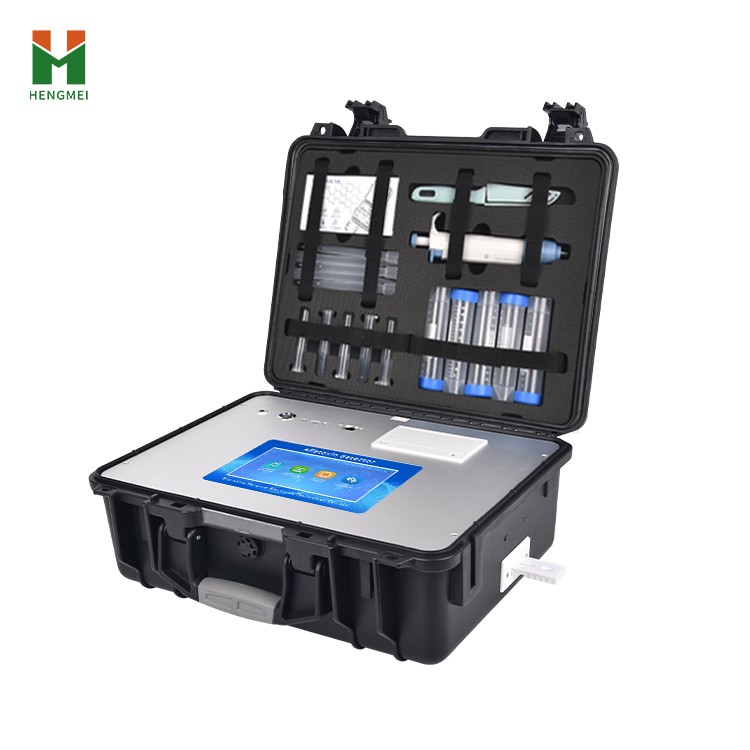
A grain receiving program can use an aflatoxin detector to screen selected lots and identify material that needs further review under its food safety plan. The detector is most useful when receiving staff can link each result to a clearly defined lot, apply a suitable sampling procedure and communicate the result to the person responsible for the hold or release decision. The test must match the grain, target aflatoxins and decision level required by the program.
Define the receiving decision
Start with the grain types, suppliers, arrival pattern and destination markets. Determine whether the program needs a result for aflatoxin B1, total aflatoxins or another specifically defined target. Review the current legal and customer requirements for each product and destination. Limits and product classifications differ across jurisdictions, so the quality manager should maintain the applicable specification and its effective date.
Write the receiving procedure so staff know which lots are sampled, which results trigger review and who can authorize a decision. A rapid screening result may support an internal hold or referral. Where the customer, regulator or company procedure requires a confirmatory result, the referral and material control steps should be agreed before the first truck arrives.
Identify the lot before collecting a sample
Record the supplier, product, lot, vehicle or container reference, arrival time and the other details required by the receiving plan. If one vehicle contains material from several sources, establish how the lots are separated and identified. Apply the identifier to the sample container at collection and carry it through testing, referral and final decision. The laboratory and receiving systems should use a common reference or a recorded mapping between identifiers.
Aflatoxin can be unevenly distributed in a commodity lot. The sampling plan is therefore a major part of the decision, and it should follow the applicable standard, customer agreement or approved procedure for the product. The plan should define the sampling units and the formation and handling of the laboratory sample. Staff need clear instructions for a lot that cannot be sampled as planned and a way to record the exception.
Choose a test with a defined scope
Review the method's target, supported grain matrices, decision threshold, working range and known interferences. A test for one aflatoxin should not be assumed to measure a group of aflatoxins. Ask for the current instructions and the test materials included with the proposed detector. The quality team should compare the method's documented scope and performance with the specification that will be used for the receiving decision.
Before routine deployment, evaluate the workflow with representative grain materials under the organization's verification plan. Select suitable materials across the range of interest, including material near the review level when available. Agree on comparison criteria and the laboratory method used for the evaluation. Record the sample identities, test lots, operators and conditions so that an unexpected difference can be investigated.
Prepare the receiving station
Set aside a defined area for identified samples awaiting testing, samples in progress and completed records. Keep the current method and the supplies required for the day's schedule accessible. The operator should be able to label a new container as soon as it is created and record its relationship to the original sample. Separate samples that need referral from material whose review is complete.
At the beginning of the shift, inspect the instrument and confirm that required controls and test materials are available under their approved conditions. Record the relevant lot identifiers and use dates. Follow the method and quality plan for the checks that must be completed before reporting results. If a control fails, hold affected results and apply the established investigation procedure.
Plan for a busy delivery window
Suppose a facility expects twelve trucks over a four-hour receiving period. The testing plan must account for sample collection, identification, the full test workflow, controls, result review and communication with the unloading team. An equipment reading time alone does not establish the number of lots that can be processed. Conduct a representative trial with the planned staff and record where samples wait.
Agree on what happens when arrivals exceed capacity. The quality plan may prioritize lots based on a documented risk assessment, extend the hold period or refer selected samples to another laboratory. Communicate the rule to receiving staff and drivers before peak season. The operator should not have to invent a release decision when the queue grows.
Apply a documented screening response
Record the test result in the form and unit required by the method. Check the control status, sample identifier and decision criterion before sending the result to receiving. If the result meets the referral criterion, place the identified lot under the hold procedure and notify the designated reviewer. The report should show whether the result is a screening observation or a final result under the organization's process.
Keep the first record if the method or quality plan calls for a repeat. Document whether the repeat uses retained sample material or a newly collected sample, as these address different sources of variation. The authorized reviewer should decide which result is used and whether confirmation is required. Record the reason and preserve the connection between the sample, truck and storage location.
Arrange laboratory confirmation in advance
Confirm that the receiving laboratory can test the grain and the specific aflatoxins required by the program. Agree on the reporting unit, turnaround, sample identification and transport conditions. When a case is referred, record the receiving laboratory's identifier and the handover time. Maintain the hold and communication process while the result is pending, according to the facility's own procedure and applicable requirements.
If another sample is collected, record how it relates to the initial sample and the lot. The sampling design matters when comparing results because the material is not necessarily uniform. The quality manager should review the sampling and analytical information together with the customer specification or legal requirement before documenting a final decision.
Use receiving records to improve the program
At the end of a shift, reconcile trucks received, lots sampled, tests completed, referrals and decisions still open. Review turnaround time, control failures and missing identifiers. Over a season, group comparable results by grain, supplier, test and sampling plan, and retain the number of lots tested. If the program expands its coverage, mark the change so a change in the number of findings can be interpreted in context.
HENG MEI Intelligent Manufacturing is the brand of Shandong Hengmei Electronic Technology Co., Ltd. A grain facility considering an aflatoxin detector should provide the commodity, target, receiving schedule and reporting requirements. Confirm the test's supported matrices and decision range, then evaluate the proposed configuration within the facility's approved sampling and quality system.
Make handovers visible
Keep a current list of lots awaiting results and their physical storage locations. At shift change, reconcile this list with the testing records and identify who will follow each referral. Record the next expected action and the person authorized to release or continue holding the lot. Once the case is closed, retain the final report and decision with the receiving record.
Review unresolved cases at a defined time each day and contact the designated laboratory when a report is overdue. This keeps the receiving schedule informed while the quality manager retains control of the decision.
Address of this article:https://www.hmfoodtesting.com/article/aflatoxin-detector-solutions-for-grain-receiving-programs-heng-mei-intelligent-manufacturing.html
 Return to List