

 Current
location:
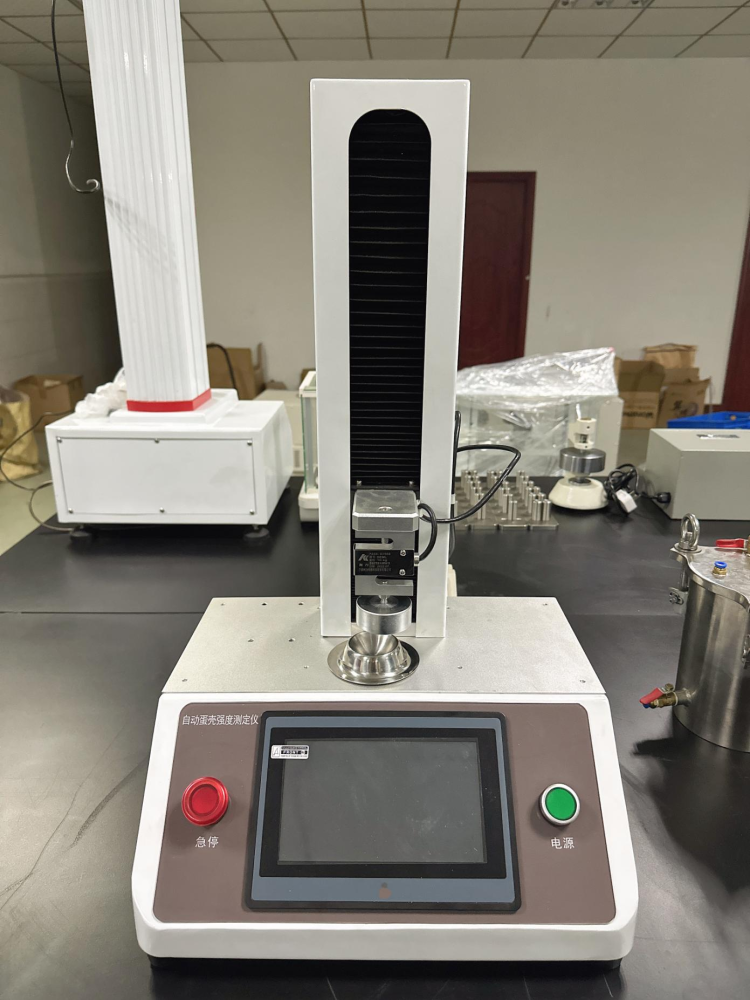
An eggshell strength tester helps a grading plant check whether a rise in breakage is associated with a change in shell strength, the conditions on the line, or a combination of both. Set up the investigation so eggs tested for peak breaking force can be linked to the same flock, size class and time period as the packing observations. This turns a mechanical reading into evidence the production team can use.
Start from the location of the damage
Separate cracks already present at intake from cracks first detected after grading, transfer or packaging. A packed case can contain eggs that passed several handling points, and a breakage figure for the finished case alone cannot locate the stage that introduced the damage. Record the line, shift, supplier and relevant time windows. Note equipment adjustments, stoppages and changes in packaging that coincide with the observed pattern.
Retain the denominator at every check. Twenty cracked eggs among two thousand inspected units represent a 1.0 percent frequency. The same count among five hundred represents 4.0 percent. A useful shift report shows counts and totals rather than a count of rejects alone. Treat visible checks and shell breaking tests as separate measurements with separate sampling records.
Define comparable groups before collecting eggs
Choose groups that match the question. For a change on one packing line, select comparable intact eggs from the same supply and size class before and after the change when the investigation plan allows. For a supplier comparison, use comparable grading and storage conditions, and make the supplier or flock identifiers visible in the record. Avoid combining different size classes in a single benchmark without accounting for the difference.
Apply a consistent rule for excluding visibly damaged eggs from the force test and record the exclusion count. Selecting only unusually clean candidates may give an optimistic view of the material presented to the packing line. The protocol should identify the population represented by the instrument results and the distinct population represented by the inspection tally.
Set up the measurement station
Provide a stable work surface, a holder appropriate for the tester and a specified egg orientation. An egg loaded along its long axis can produce a different force response from one loaded at the equator. Specify the loading direction and applicable instrument setting in the plant's procedure. Inspect the fixture and verify the force channel according to the equipment instructions before staff begin a sequence.
Label trays by lot and collection time. Enter the peak force and its unit with each egg identifier. A fracture that occurs after the egg slips or contacts the fixture incorrectly needs review under the protocol. Preserve the original observation and record the reason if the result is invalidated. Move finished samples away from the intact group so the next operator can reconcile the batch.
Examine the spread as well as the mean
Suppose two groups both average 38 N. One has most observations close to 38 N, while the other includes several below 30 N and a few substantially above the average. The second group may present a different packing risk despite showing the same mean. Keep individual values available and report the sample count and spread. If the plant uses a lower percentile or an internal review point, define it before examining a suspect lot.
Discuss the results with line staff. Stable force measurements alongside a sudden rise in cracks after a new transfer setting direct attention to the handling stage. Lower values in comparable eggs arriving from a specific flock justify reviewing the incoming lot and collection records. Consider both signals when incoming strength and handling conditions change at the same time.
Make the investigation repeatable
At shift change, give the incoming team the lots under review, samples remaining and the instrument status. Record any equipment adjustment and the exact time so that a later reading can be matched to the correct version of the process. When closing the case, include the observed breakage rate, force distribution and action taken. Over time these records can show how often investigations trace to incoming material or line conditions.
When evaluating an eggshell strength tester from HENG MEI Intelligent Manufacturing, share the egg classes, target loading direction, sample schedule and required reporting unit. Confirm the fixture and data handling with Shandong Hengmei Electronic Technology Co., Ltd.. A trial using the plant's own eggs and shift records is the most direct way to assess whether the station supports daily packing decisions.
Address of this article:https://www.hmfoodtesting.com/article/eggshell-strength-testing-solution-for-egg-grading-and-packing-lines-heng-mei-intelligent-manufacturing.html
 Return to List