

 Current
location:
A spice plant can use Sichuan pepper pungency testing to compare incoming lots and make blending decisions when the testing method measures a defined target on a consistent basis. A useful program keeps whole pepper, powder, oil and finished seasoning in separate groups whenever their procedures or reporting units differ. It also connects each result to the supplier lot or production batch that the staff may hold, blend or investigate.
Define incoming and finished product decisions separately
An incoming specification can describe the material purchased from a supplier. A finished seasoning specification can describe the balance the plant wants to deliver to the customer. The two may use different test portions, units or sensory criteria. Write down the purpose of each test, the product groups it covers and the person who determines the next action. Avoid recording an incoming assay value under a finished recipe specification simply because the same laboratory reader is used.
A plant may receive three pepper lots from two growing regions and need to select material for a particular product. Plan the sampling across the lot in advance and record how individual increments were represented in the laboratory sample. If the buyer receives concentrate or oil from a separate supplier, identify that material separately and verify that the relevant method covers its composition.
Map the test from the material to the plate
Keep the receiving identifier on each container or use a recorded relationship between the lot and laboratory identifiers. When the assay uses a microplate, label the test portions before arranging the plate. Make calibration, controls and repeats visible in the plate map. During a handover, reconcile the physical containers and confirm which positions are completed. This is particularly useful when several product lines submit material at the same time.
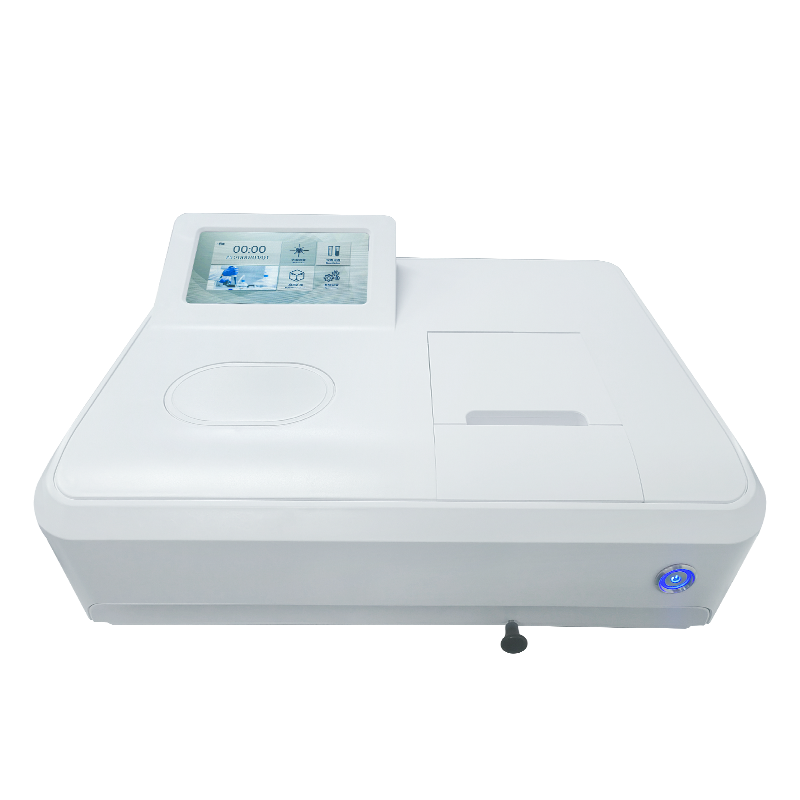
Confirm the selected reader and kit combination before purchasing. A fixed-wavelength plate configuration can support a routine test if its wavelength and plate format match what the kit requires. An alternative optical configuration can be evaluated when the laboratory plans broader method development. Order consumables against the procedure and actual batch schedule, and check current supply and lead time for the kit before starting routine release work.
Treat blend calculations as a planning aid
Suppose comparable ingredient results on the same reporting basis are 12 units and 8 units and the formulation uses the two ingredients in equal mass. A mass-weighted estimate gives 10 units before any processing or matrix effects. That arithmetic can guide a trial blend when the unit and method support the calculation. Confirm the finished product using the applicable test and sensory panel, especially if another ingredient changes how the tingling sensation is perceived.
Keep a record of the ingredient lot proportions, the predicted range, the measured finished value and the sensory observation. Use the same preparation and serving conditions for sensory comparisons. If the laboratory result remains stable but the panel perceives a difference, review aroma, other hot ingredients and process conditions before changing the pepper lot.
Build a decision procedure for outlying lots
Check the product identity, method, control status and reporting basis before starting a supplier investigation. If a plate position or label is uncertain, hold the associated result and follow the laboratory's exception rule. When a result remains outside the expected range, decide whether to look at another preparation from the same sample or collect a sample from another part of the lot. Keep the first result and explain which question the repeat was meant to address.
A flagged lot can be retained for review according to the plant's agreement. Define who authorizes blending, reclassification, return or another test. A numerical result should travel with the lot identity and approved action so production can distinguish confirmed disposition from a laboratory request still under review.
Review trends at the end of the season
Group results by material type, supplier, method and reporting basis. Note changes in kit lots, recipe or supplier classification. Review both the count of outlying results and the number of lots tested. A supplier receiving more samples after a seasonal change can show more findings without the same change in the proportion of lots affected.
For a Sichuan pepper pungency program using HENG MEI Intelligent Manufacturing, share the ingredient forms, assay, planned plate layout and intended decision with Shandong Hengmei Electronic Technology Co., Ltd.. Evaluate the proposed analyzer and test supplies together with representative material from the actual production workflow.
Address of this article:https://www.hmfoodtesting.com/article/sichuan-pepper-pungency-testing-solution-for-spice-and-seasoning-plants-heng-mei-intelligent-manufacturing.html
 Return to List