

 Current
location:
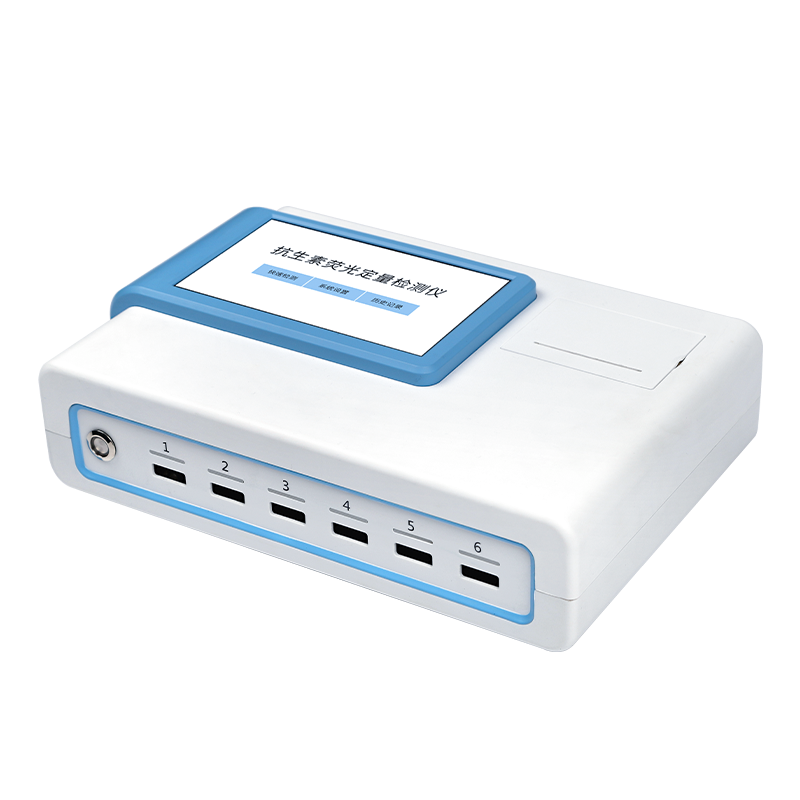
A dairy receiving laboratory can use a fluorescence antibiotic residue analyzer to screen raw milk deliveries under a documented hold and review process. The workflow has to identify which tanker compartment or delivery the result represents, which assay was used and who can authorize the next action. This matters when several lots arrive close together and unloading decisions are time sensitive.
Define the authorities and assay scope
Start with the applicable buyer agreement and rules for the product and market. Determine which antibiotic targets or groups are relevant and how the chosen procedure performs with the milk being received. Ask whether the method covers the species and type of milk, which substances the test can and cannot distinguish, and how results close to the decision point are handled. Request the exact current kit and reader configuration instead of selecting on the number of tests in a catalog.
Identify who can place a tanker compartment on hold, consult a supervisor, request further sampling or authorize unloading. Put those responsibilities into the receiving procedure and train the laboratory and dock teams together. If an assay is used as an initial screen, record where that screening result fits in the authorized decision process, including when further testing is required.
Tie each sample to one receiving record
Use a unique identifier linked to the supplier, arrival time, tanker or compartment, collection point and collector. Follow the approved sampling and handling procedure, including the conditions for transferring the sample to the bench. If two compartments are treated separately, the container labels and decision screen should show that distinction. A result linked only to the vehicle is insufficient when individual compartments are separate lots.
Prepare a visible queue for samples waiting, under test and awaiting review. At handover, reconcile identifiers and open decisions with the physical arrival records. If a container label cannot be resolved, document the exception before a result is sent to the dock. The operator should know how to obtain a replacement sample without overwriting the original entry.
Control method, kit and timing
Record the kit lot and any method or lot selection required by its instructions. Use the controls specified by the quality procedure and retain their status with the samples they support. A run with an unresolved control failure should remain in review. Train staff to distinguish a valid low response, an invalid test, an instrument error and a result outside the reportable range.
In a busy receiving period, the practical constraint can be preparation and control review rather than reading. For example, six compartments each requiring one screening result represent six sample tests, plus any controls and repeats required by the method. If the laboratory applies two separate assays to each compartment, the sample test count becomes twelve. A staffing and consumables plan should follow the actual assay list rather than the number of trucks.
Handle a result that triggers review
Check the sample identity, method, kit lot, control status and units. If the result meets the program's review criterion, apply the specified hold and notify the responsible person. Record the time and identity of the material under review. Any repeat must follow the agreed plan, including whether it uses an existing preparation, retained milk or a new sample. Those actions test different aspects of the workflow and should be distinguishable in the record.
Set up laboratory referral before deployment. Agree on the target, food matrix, test requirements, sample conditions and reporting turnaround with the receiving laboratory. Transfer the sample with identifiers that connect the confirmation report and the original screening record. Record the final release or other action separately, including who authorized it and which evidence supported it.
Confirm readiness with a receiving trial
Run a pilot that includes normal arrivals, a sample that needs review and a simulated control failure. Verify that the staff can identify the right compartment, communicate the hold and reconcile the final record. Check the kit inventory and supply lead time under peak arrivals. HENG MEI Intelligent Manufacturing supplies fluorescence antibiotic residue testing equipment through Shandong Hengmei Electronic Technology Co., Ltd.. Share the dairy matrix, target list, volume and receiving decision rules when specifying a configuration.
Address of this article:https://www.hmfoodtesting.com/article/fluorescence-antibiotic-residue-testing-solution-for-dairy-receiving-heng-mei-intelligent-manufacturing.html
 Return to List